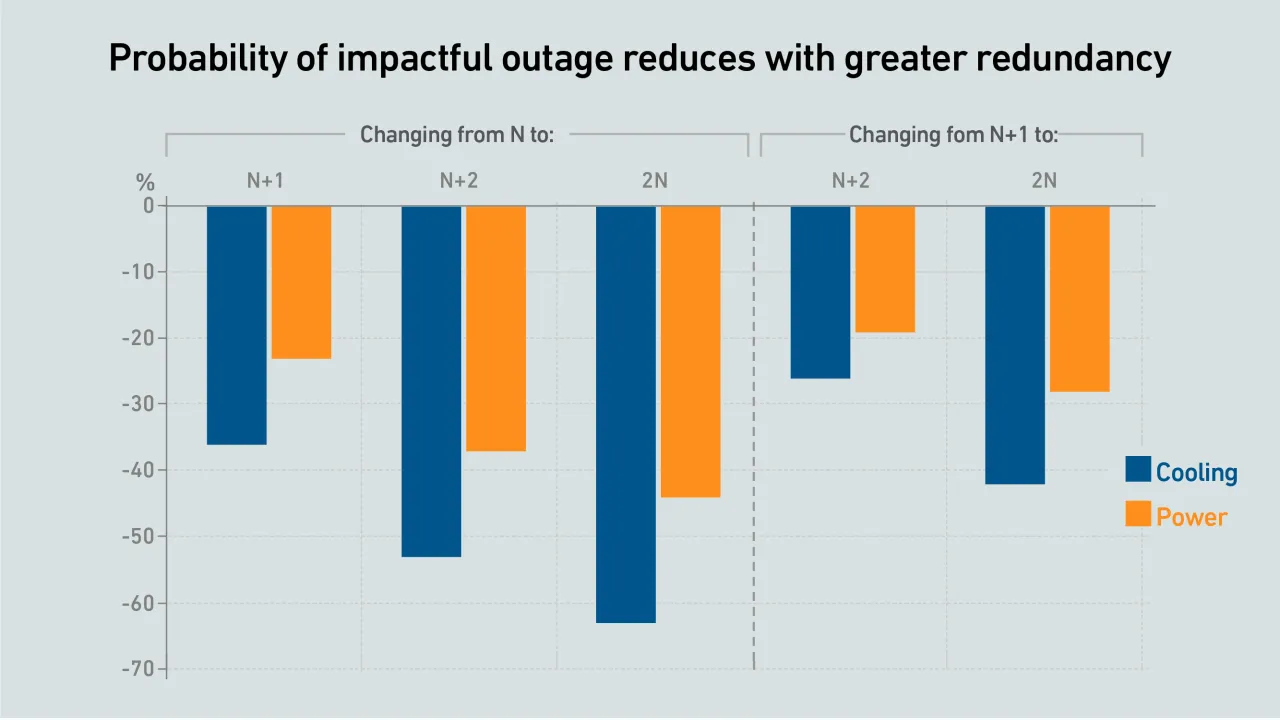
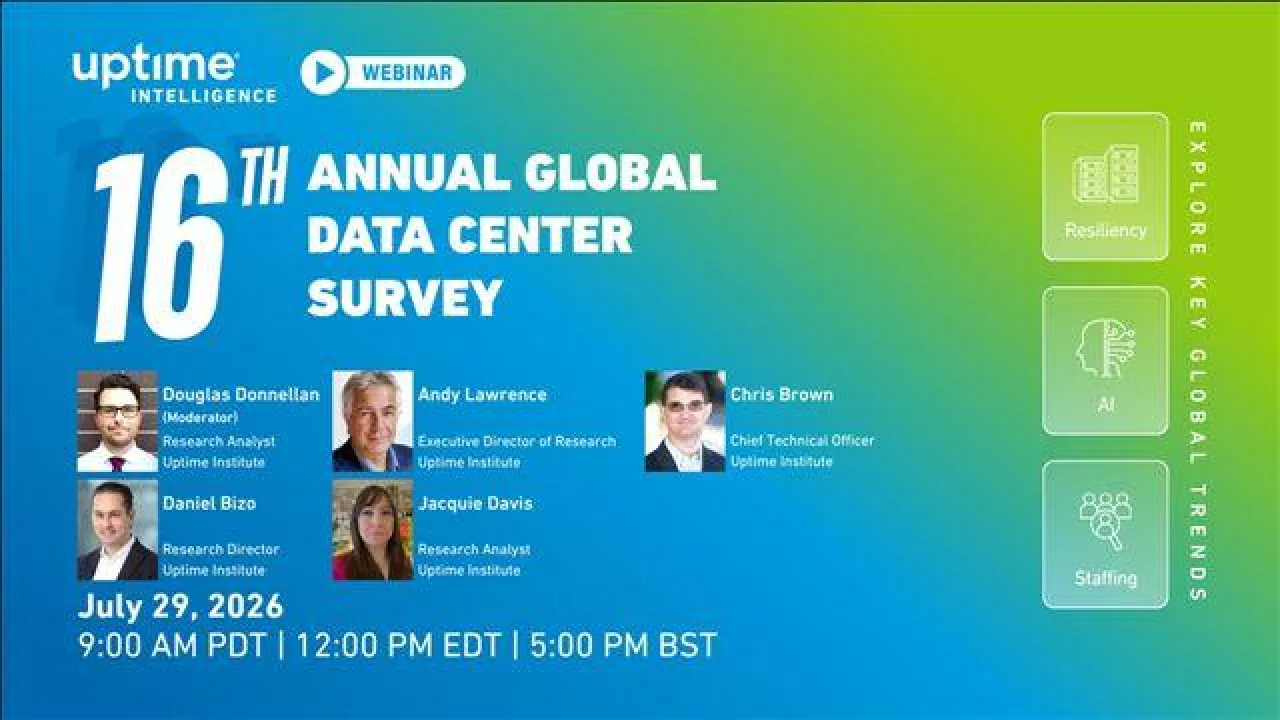
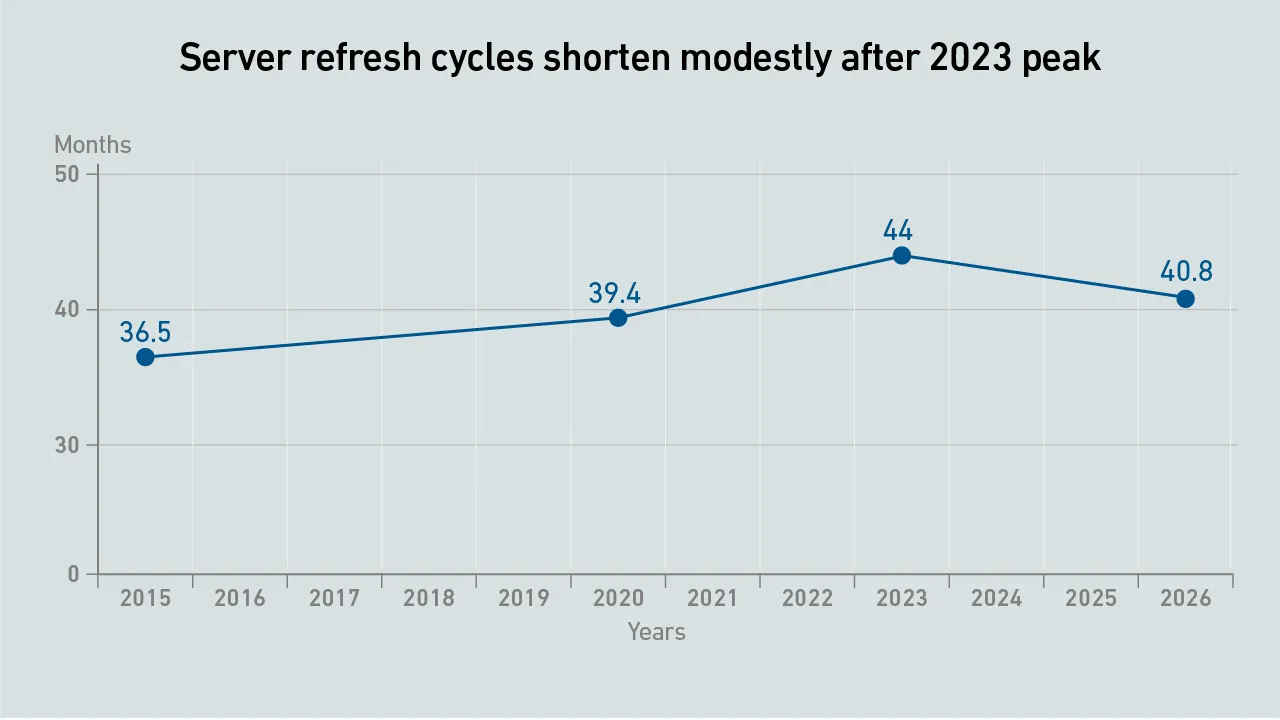
Uptime Institute's Annual Global Data Center Survey, now in its 16th year, is the most comprehensive and longest-running study of its kind. The findings in this report highlight the practices and experiences of data center owners and operators in…
AI-accelerated digital twins are central to many AI factory designs and builds. But despite progress in tackling specific power, cooling and IT challenges, most applications remain unproven beyond initial pilots and lack a clear return on investment.
The Uptime Institute Global Data Center Survey, now in its 16th year, highlights the practices, perceptions, intentions and experiences of data center owners and operators across resiliency, sustainability, efficiency, staffing, cloud and AI.
NERC's draft computational load standards could redefine data centers as active grid participants, requiring new modeling, data reporting, operational coordination and disturbance reporting in a bid to protect grid stability.
Can batteries transform how data centers power AI and connect to the grid? To do so, BESS technologies will need further economic and technical improvements to unlock faster interconnections, cleaner energy and smarter power control.
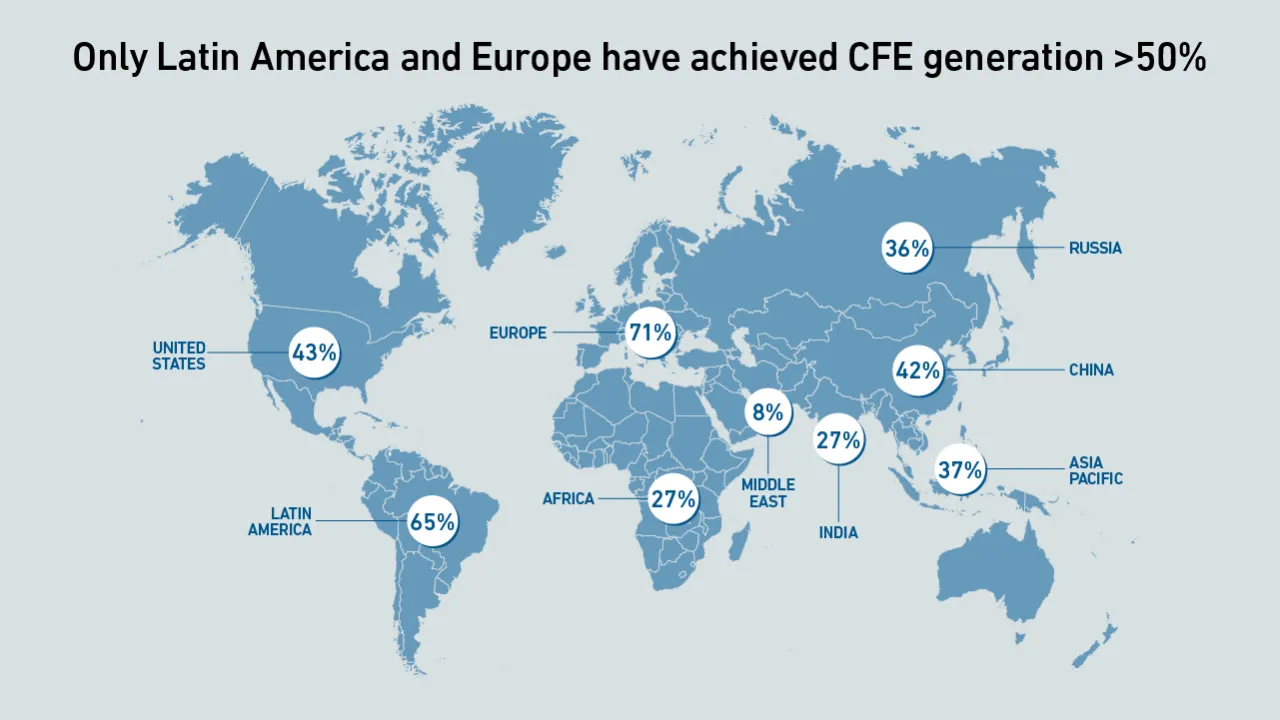
Operators in most geographies should reconsider hastily-set commitments to reach 24x7 carbon-free energy consumption. Instead, they should adopt more realistic goals.
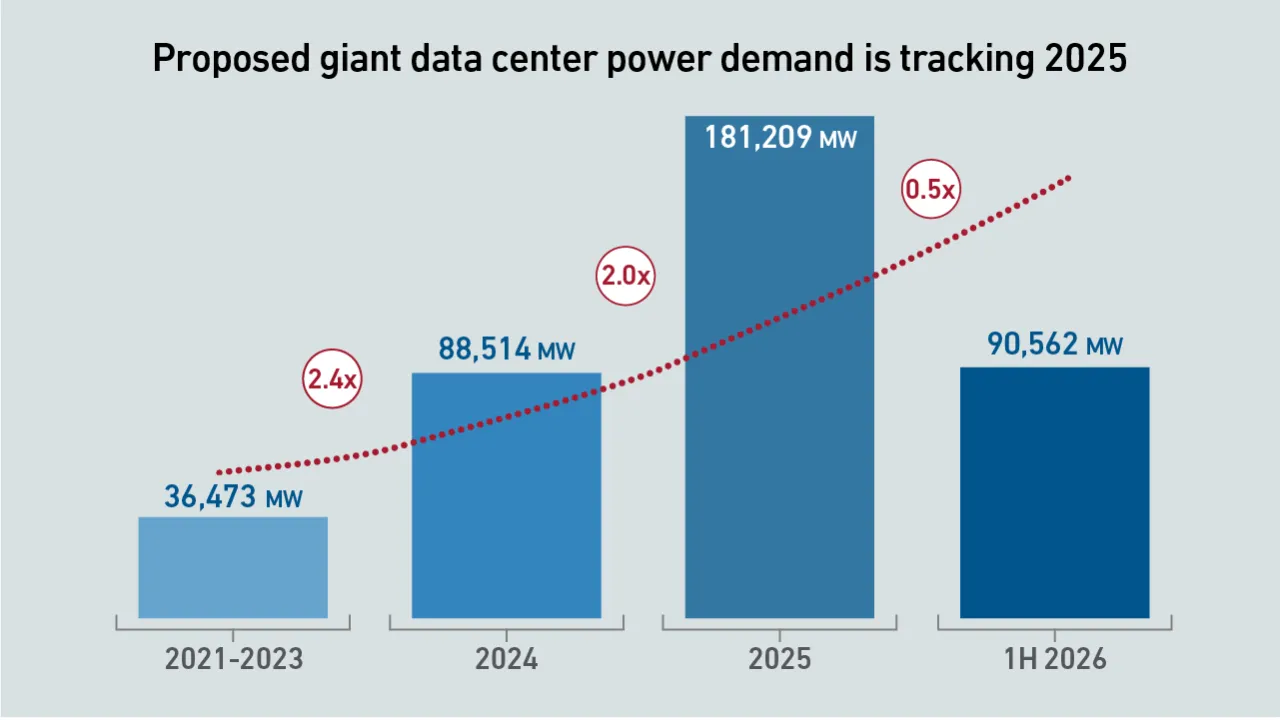
AI data centers are racing ahead, but the grid isn't keeping up: operators need to rethink how they connect to, generate and manage energy to unlock expansion without overwhelming already strained generation and transmission systems.
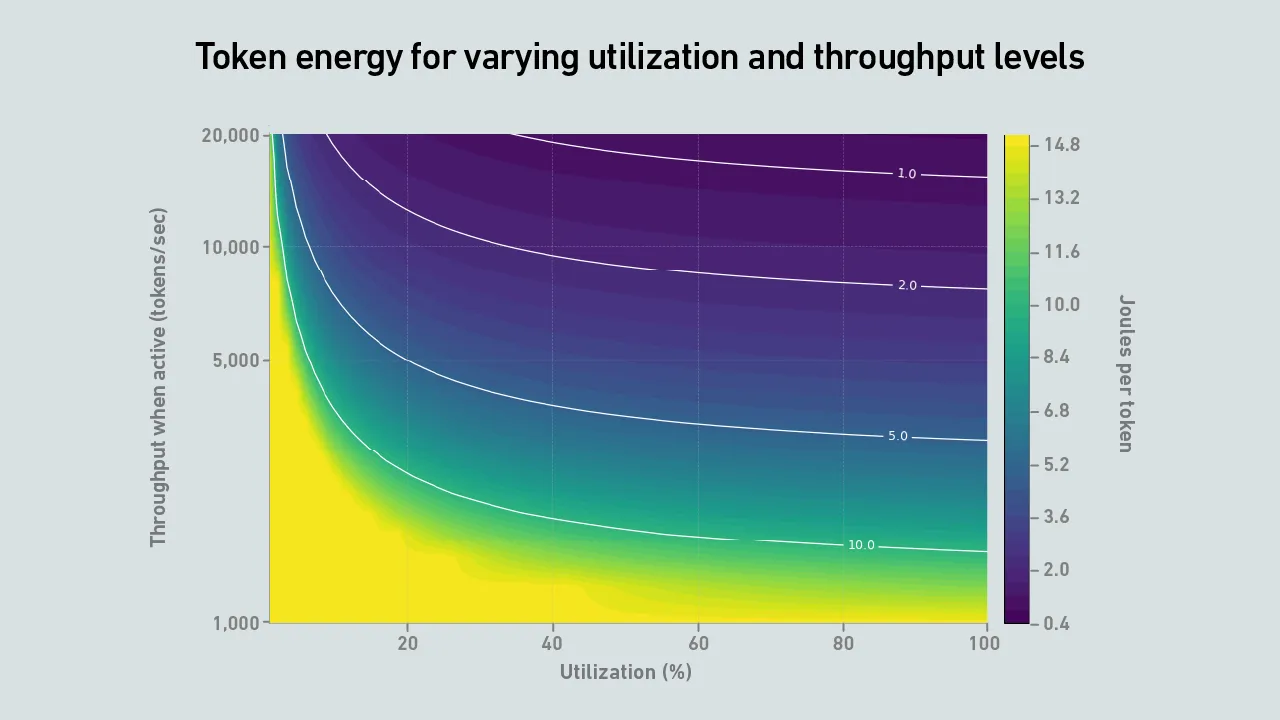
Benchmarks may produce impressive energy-per-token metrics, but real-world AI workloads are bursty; when throughput drops and GPUs sit idle, joules per token can increase. Do not size AI infrastructure for lab conditions — plan for demand.
An alert from the North American grid connection authority shows that data centers will be treated similarly to generation assets when requesting power connections, requiring operators to share more information and permit operational monitoring.
By integrating new natural gas electricity generation with carbon capture, operators can safeguard net-zero targets threatened by a reliance on fossil power — but initial adoption will be costly and limited to specific geographic locations.
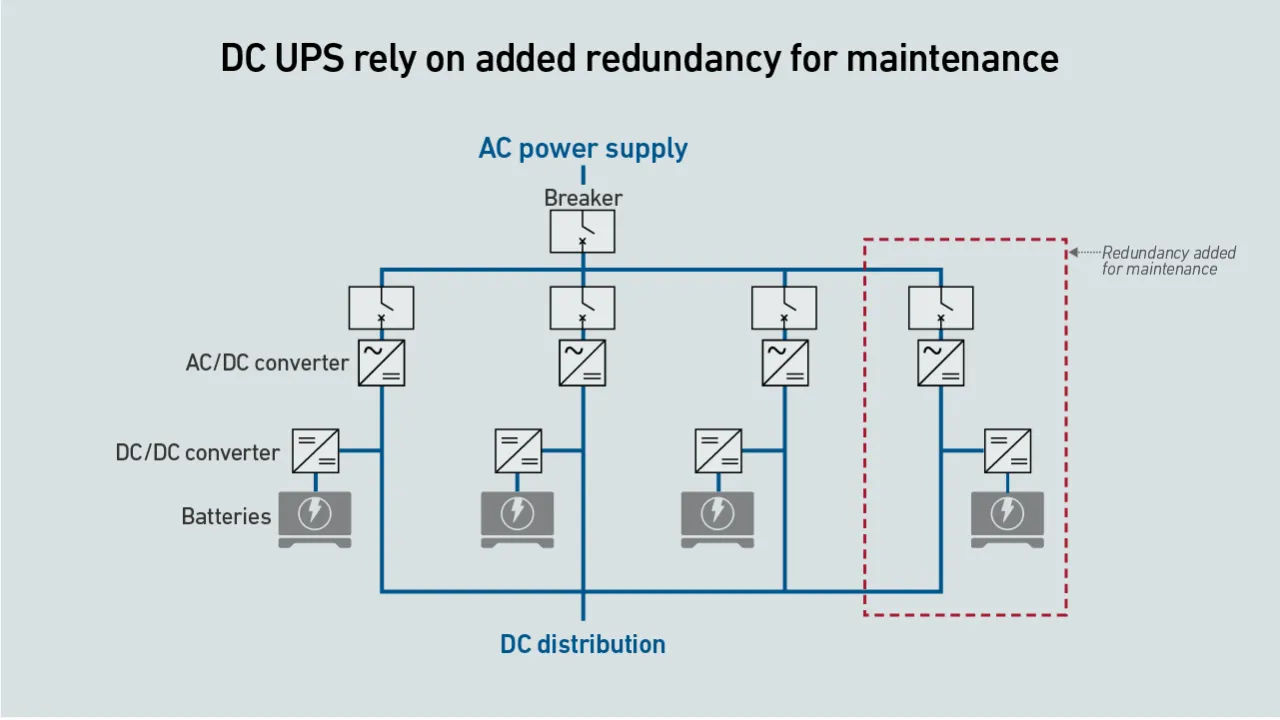
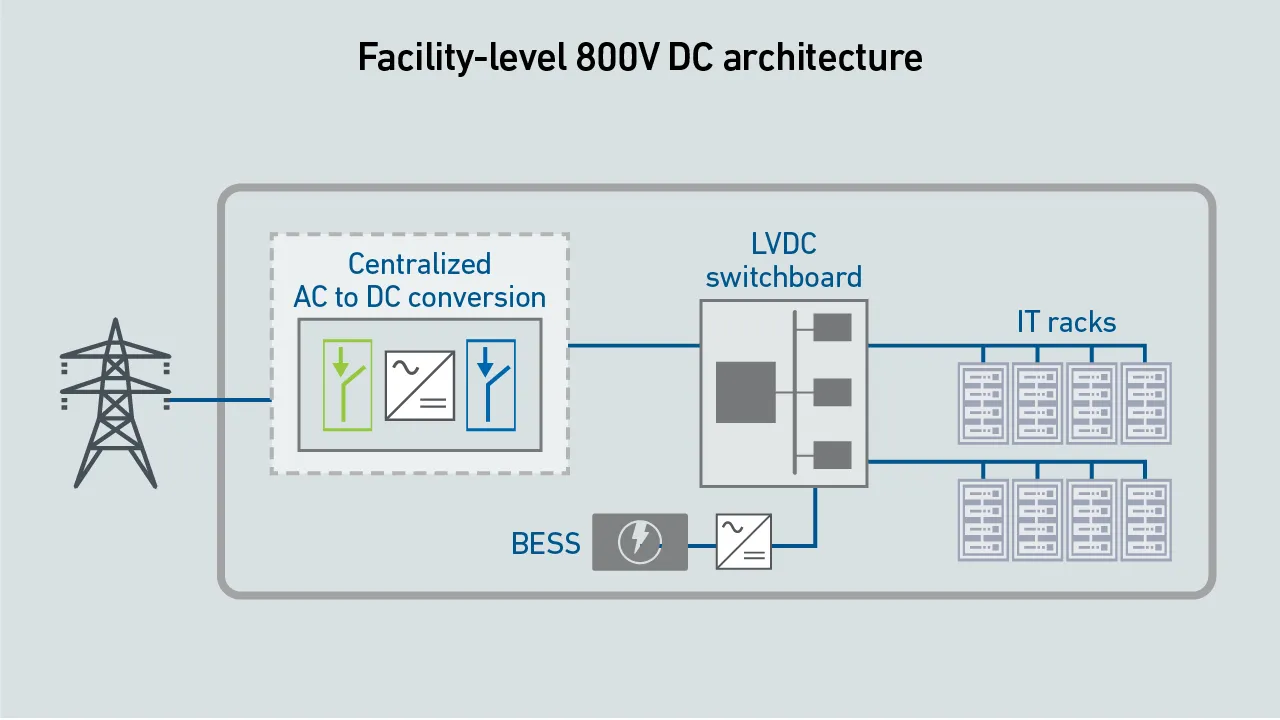
The topic of direct current (DC) power distribution in data centers is back, and this time it may be different.
Delays in grid interconnection continue to slow data center development. "Bring your own power" and demand flexibility are presented as ways to accelerate access to power and meet two to three year deployment targets. We'll briefly discuss the…
As the data center industry aims to address rising power density, technical developments in facilities are undergoing significant changes. With average rack densities climbing, new ways to configure and power data centers are increasing. To keep up…
Results from Uptime Institute's 2026 AI Infrastructure Survey (n=1,141) focus on the data center infrastructure currently used or being planned to use to host AI Training and AI Inference, as well as future industry outlooks on the usage of AI. The…
Ireland has issued new conditions for large grid loads and proposed new codes for data center connections; similar measures are expected to follow in other locations.