A power failure in one Google Cloud zone in London disrupted UK banks, couriers and public sector services. Why were they not protected, and who is responsible?
As Nvidia looks to capture a larger share of the server CPU market, incumbents Intel and AMD are stepping up their development efforts too. The coming years are likely to put CPU core performance back in the spotlight.
Giant data center power capacity and investment are at unprecedented levels, with power proposed in the first half of 2026 tracking at 2025 levels.
Final EU EED rating label introduces significant changes
Jev does not solve LLM efficiency challenges
Neoclouds in 2026: the pressure builds
2026 Roundtable schedule
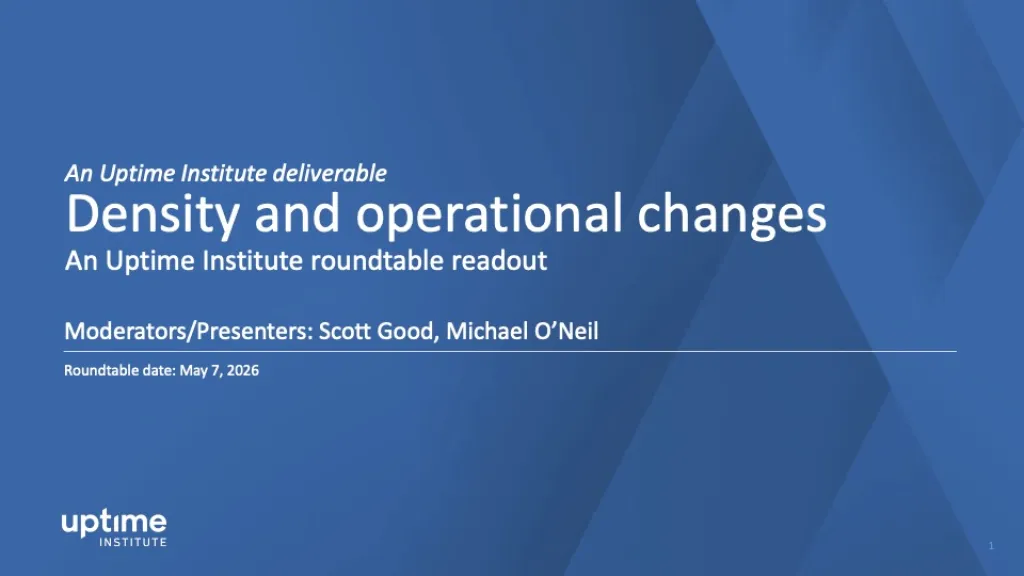
Operational responses to rising data center density
Making the business case for AI in data center operations
The AI in Data Center Operations "MOP SIG"
Enterprise Data Center Operators - what are your teams planning for when it comes to AI
New Uptime Network Initiative! AI in Data Center Operations 2: I2I
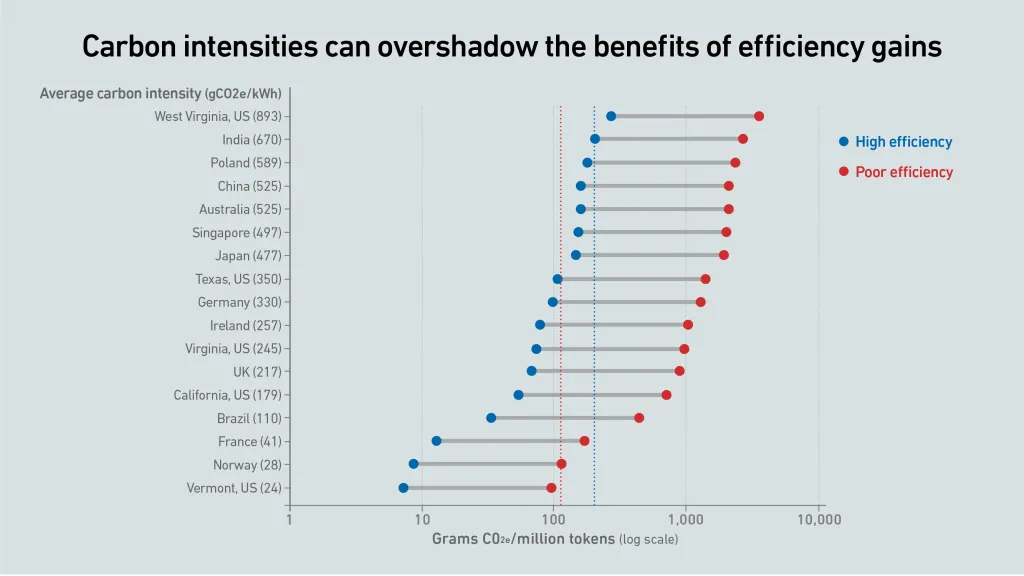
Cutting AI carbon requires more than energy efficiency
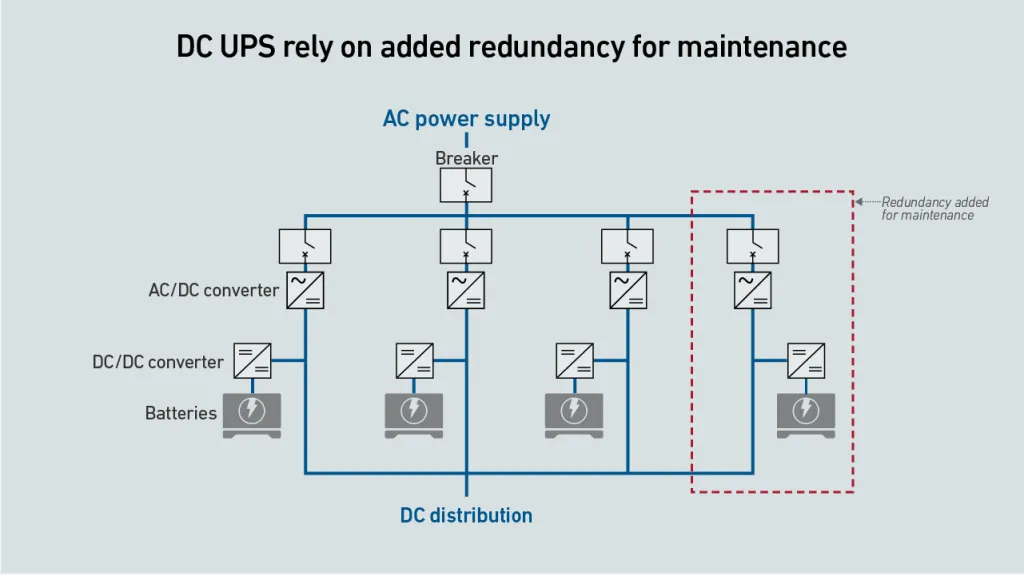
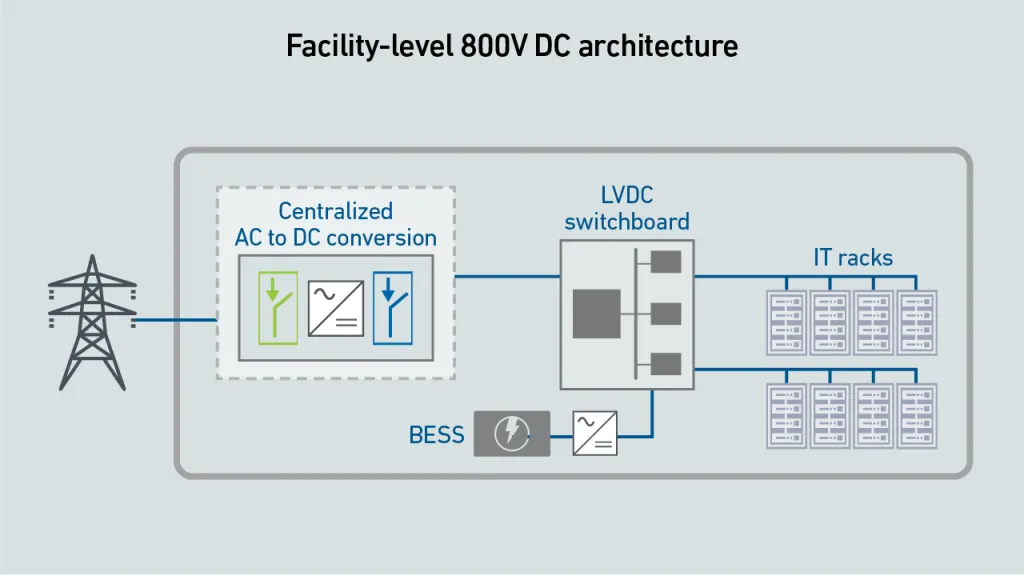
An introduction to DC power distribution in data centers
800V DC arc flash risks will depend on design
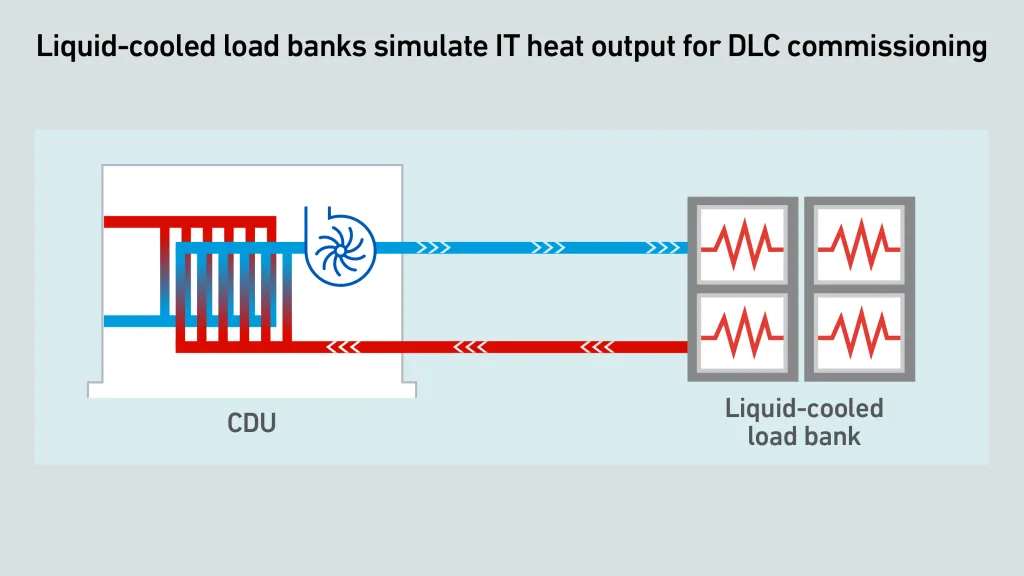
Liquid-cooled load simulation for DLC commissioning
IT-agnostic DLC systems: key considerations
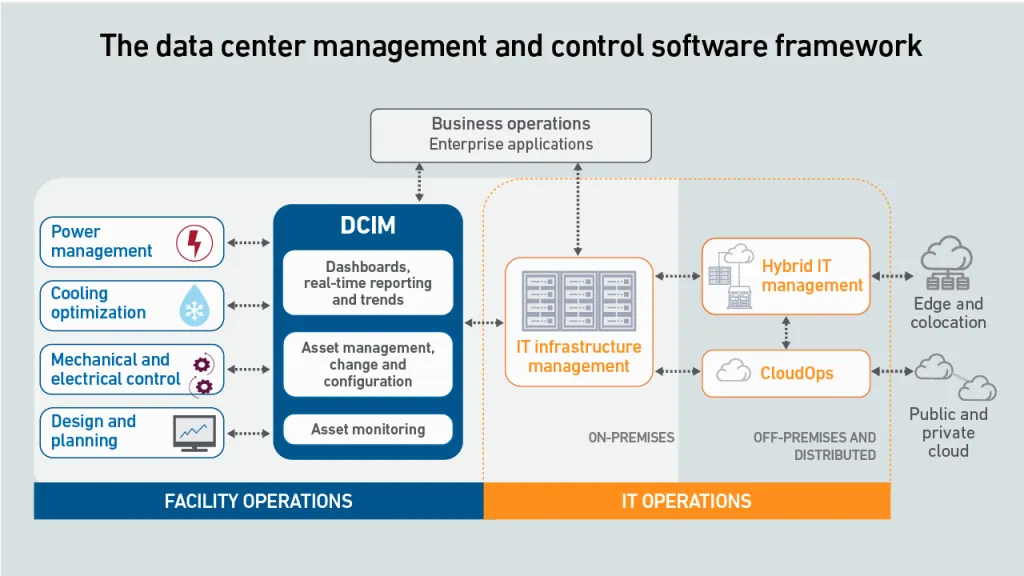
Uptime Institute DCIM Procurement Guide 2026
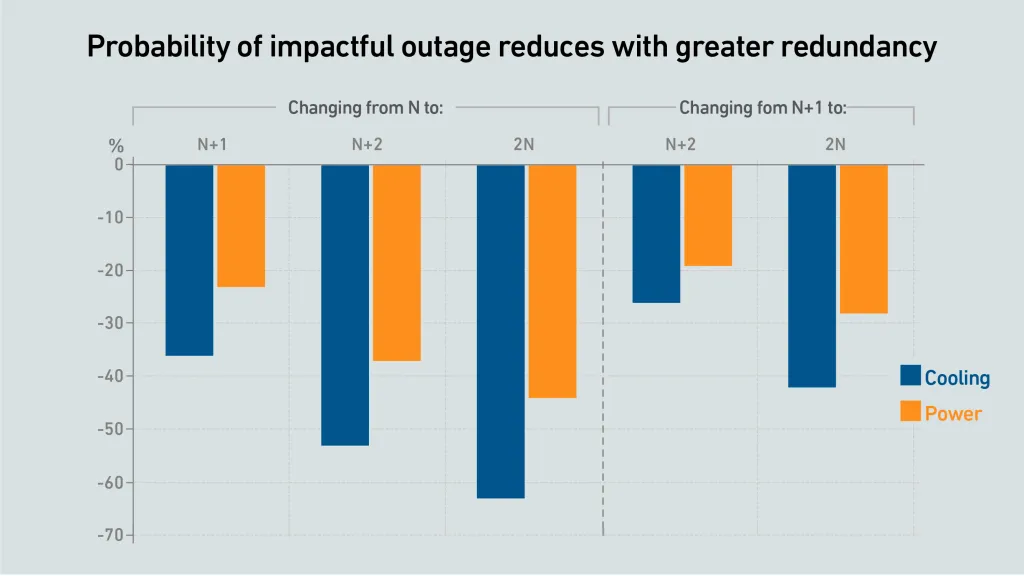
Survey findings link higher redundancy to lower outage risk
AI-accelerated digital twins: lessons for operators
Uptime Institute Global Data Center Survey 2026
Noise: a real, but solvable, problem
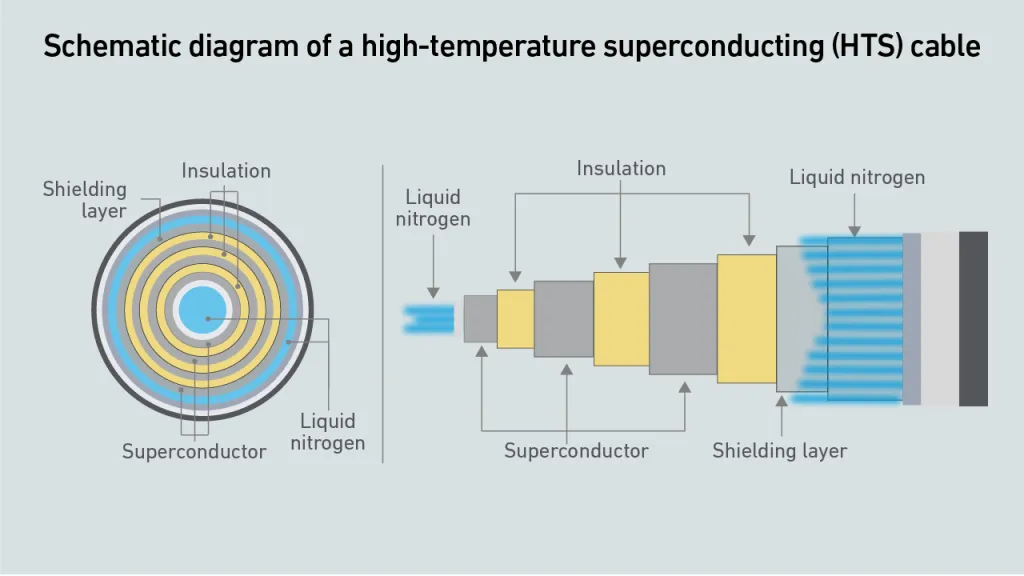
DC power brings applications for superconductors
Thailand reboots its data center planning rules
Denmark puts data centers last in the connection queue
Texas audits its grid connection applications
Cutting grid connection queues: the UK's pay-to-stay plan
You are registering for the following:
Event:
Date & Time: at
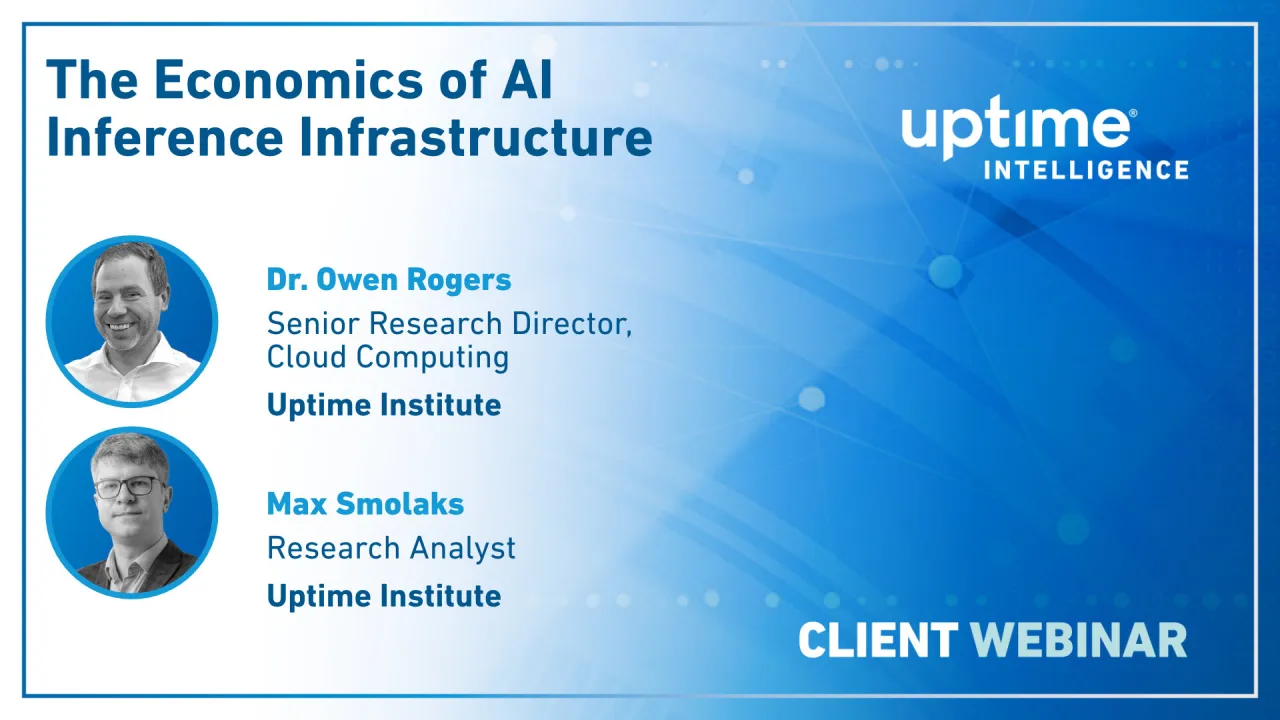
Presenters:
Location: Microsoft Teams meeting