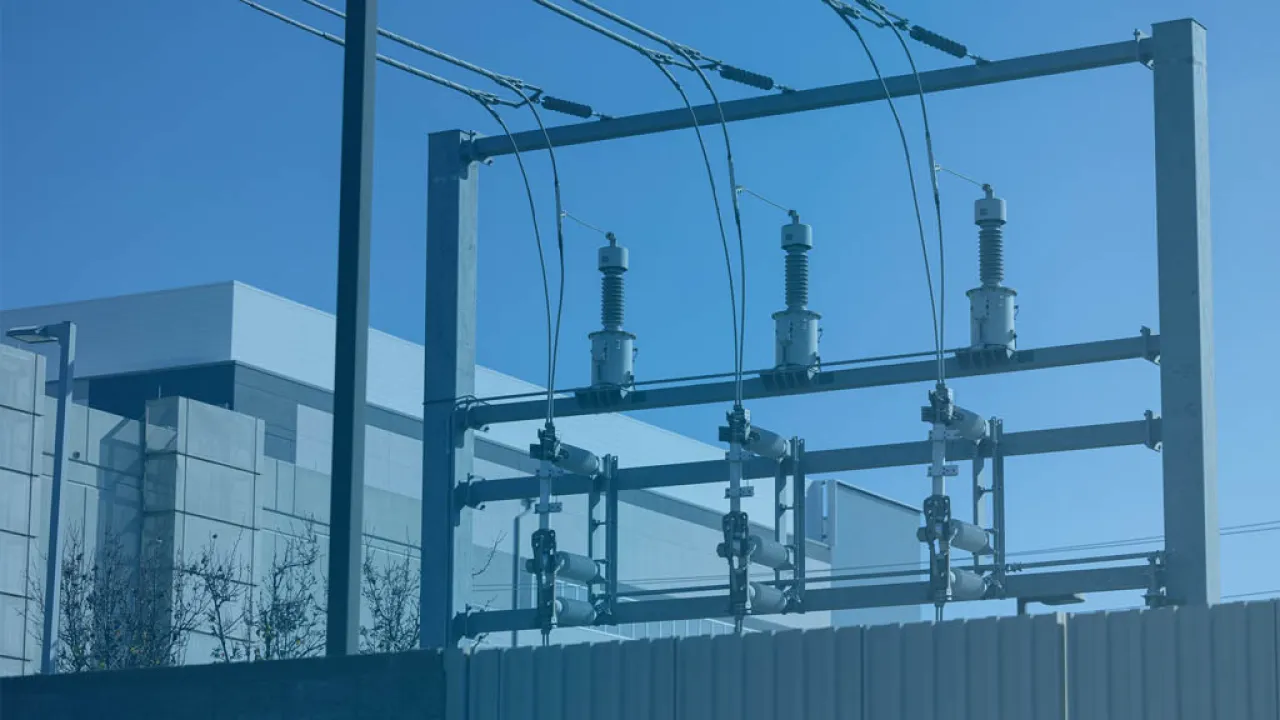
NERC's new computational load standards make large data center sites active grid participants. Facility operators with site load of 50 MW or more face new modeling, monitoring and reporting requirements.


While community benefits packages are increasingly central in negotiating with host communities, research suggests their success depends more on their alignment with local priorities and concerns than on monetary value.
The European Commission has presented its final EED rating label for data centers, introducing significant changes related to energy consumption, water usage and waste heat reuse.
Denmark will classify grid connection applications by their importance to society, placing large data centers in the lowest priority category, as the country seeks to manage the volume of connection requests in the queue.
The latest data from the EU's EED reveals ongoing issues in both the quality of the data and the lack of coverage, limiting its use as an accurate benchmark of the sector's efficiency performance.
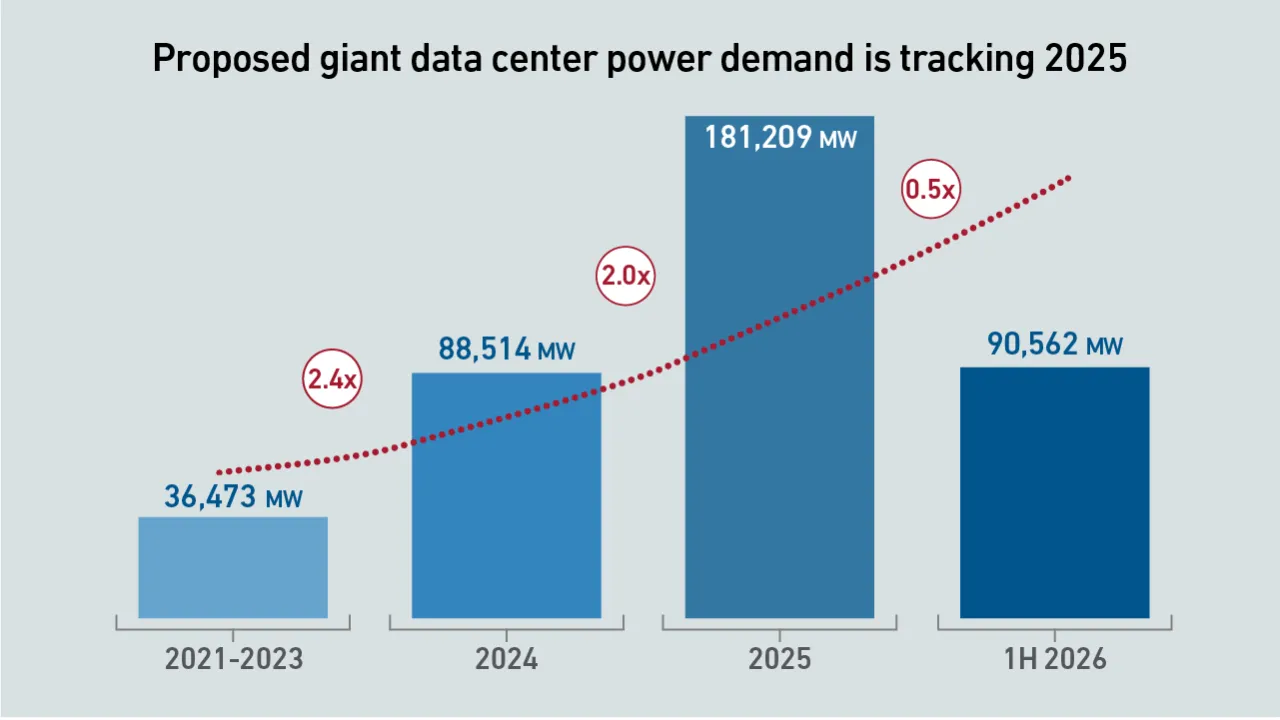
Analysis of the latest giant data center proposals from the first half of 2026 offers some useful indications of how the giant build-out is progressing.
Giant data center power capacity and investment are at unprecedented levels, with power proposed in the first half of 2026 tracking at 2025 levels.
AI data center projects often run into delays when developers encounter unfamiliar technologies and unexpected technical challenges. Taking a structured, methodical approach can help keep projects on track.
This report highlights results from vendor and product supplier respondents to the Uptime Institute Global Data Center Survey 2026 and provides an insight into the spending strategies, technology adoption and other issues facing their customers.
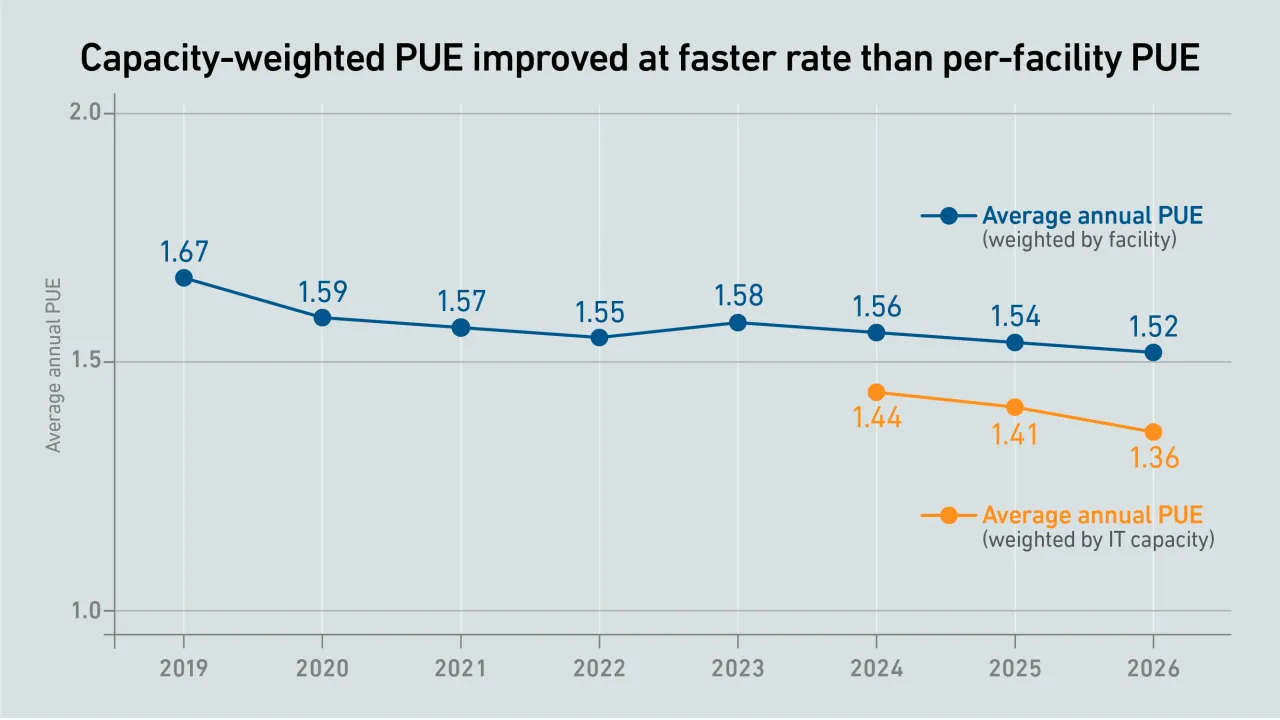
The industry-average PUE decreases slowly, with efficient new data centers offset by legacy facilities. Weighting the average by IT capacity instead reveals a faster pace of efficiency gains from larger new builds.
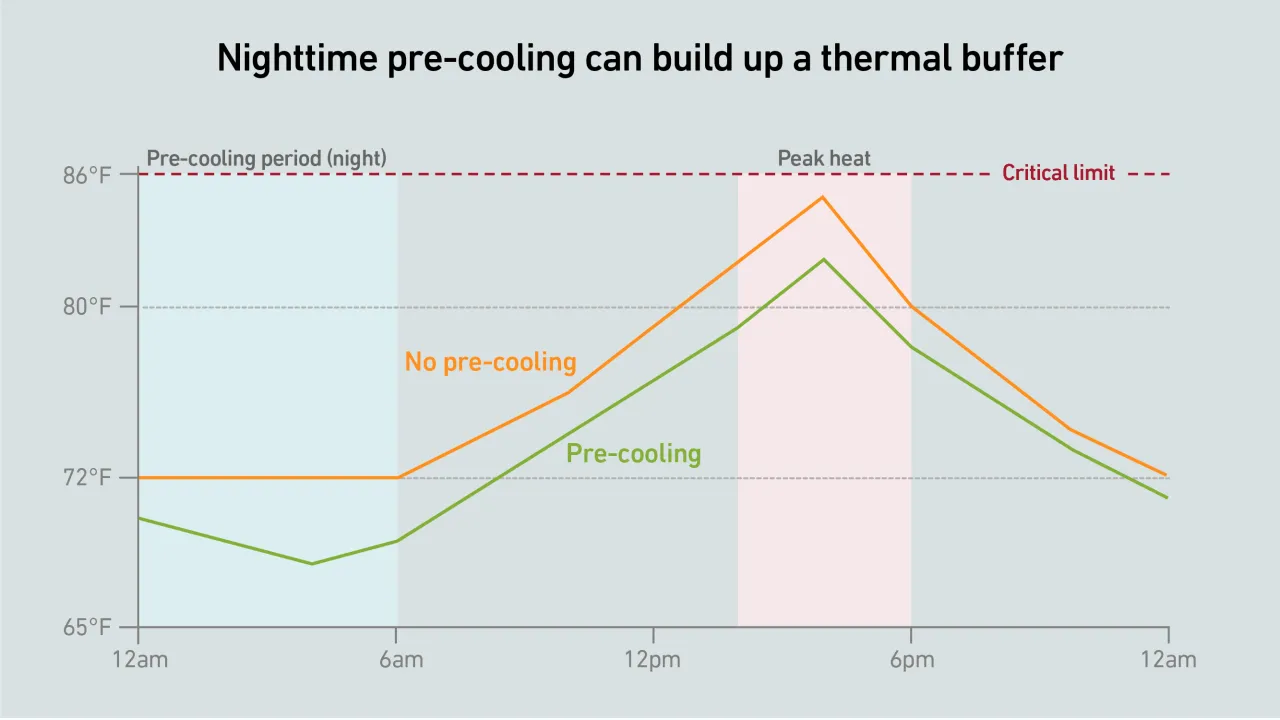
Heat waves and winter storms test the operational side of data centers. The question is no longer whether systems were designed for extreme weather, but whether operators understand how much headroom is needed to withstand it in practice.
AI-accelerated digital twins are central to many AI factory designs and builds. But despite progress in tackling specific power, cooling and IT challenges, most applications remain unproven beyond initial pilots and lack a clear return on investment.
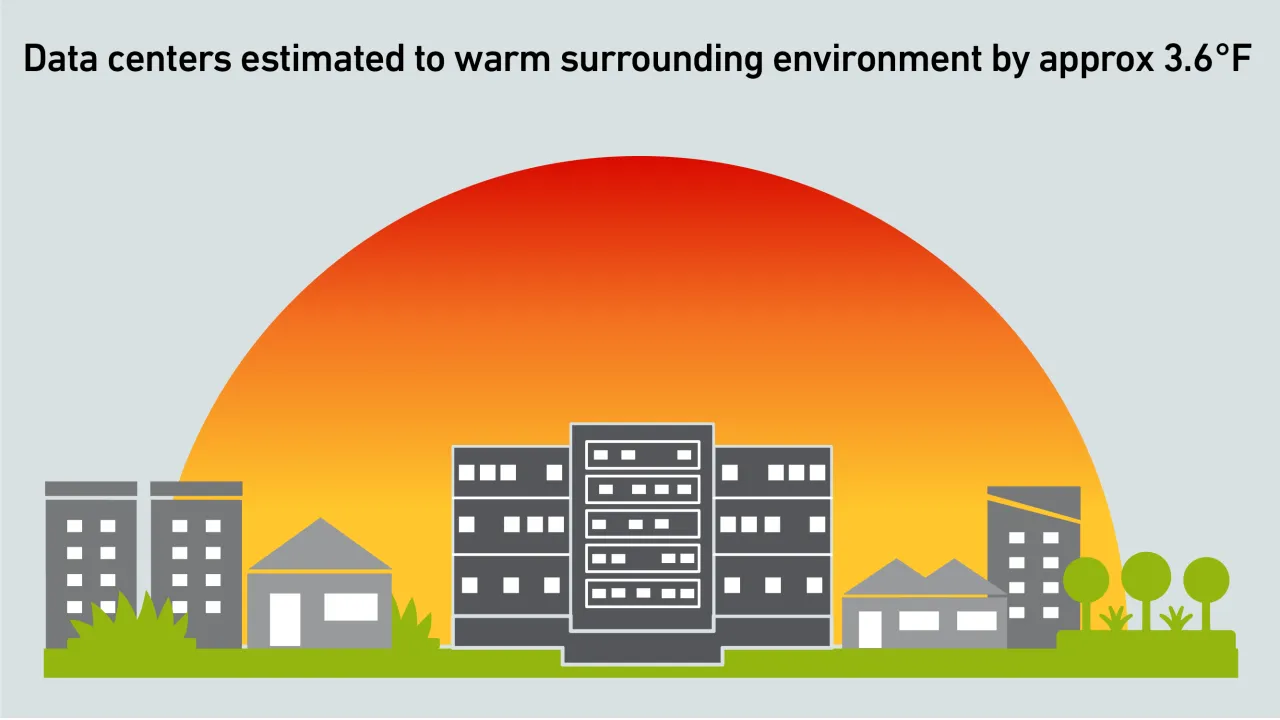
Data center waste heat does not significantly raise local temperatures, but concerns over the heat island effect demand a robust response that addresses monitoring and mitigation measures.
The US state of Virginia has retained its sales-and-use-tax exemptions for data centers but is imposing a new tax on electricity use: a move that highlights the trade-offs, uncertainties and potential spread of industry-specific taxation.
AI data centers are racing ahead, but the grid isn't keeping up: operators need to rethink how they connect to, generate and manage energy to unlock expansion without overwhelming already strained generation and transmission systems.