Fear of the coronavirus or confirmed exposure has caused about half (49%) of data center owners to increase the frequency of regular cleanings, according to a recent Uptime Institute flash survey. Even more (66%) have increased the frequency of…
To date, the critical infrastructure industry has mostly managed effectively with reduced staff, deferred maintenance, social distancing and new patterns of demand. While there have been some serious incidents and outages directly related to the…
To date, media coverage of the impact of COVID-19 and the lockdowns has been largely laudatory. There have been few high profile or serious outages (perhaps fewer than normal) and for the most part, internet traffic flow analysis shows that a sudden…
The average power usage effectiveness (PUE) ratio for a data center in 2020 is 1.58, only marginally better than 7 years ago, according to the latest annual Uptime Institute survey (findings to be published shortly).PUE, an international standard…
On March 12, 2020, Uptime Institute held its second roundtable about the impact of the COVID-19 virus on data center operations and potential responses to its spread. A Note covering the topics discussed in the first roundtable is available here…
As enterprises continue to move from a focus on capital expenditures to operating expenditures, more data center components will also be consumed on a pay-as-you-go, “as a service” basis. “-aaS” goes mainstream The trend toward everything “as a…
The full report Ten data center industry trends in 2020 is available to Uptime Intelligence subscribers here.
Separating production and nonproduction assets should be an operational requirement for most organizations. By definition, production assets support high-priority IT loads — servers that are critical to a business or business unit. In most…
A previous Uptime Intelligence Note suggested that avoiding data center outages might be as simple as trying harder. The Note suggested that management failures are the main reason that enterprises continue to experience downtime incidents, even in…
Maintaining and training staff on comprehensive, up-to-date procedures is a proven best way of reducing the likelihood of an outage and is key to restoring operations quickly afterward. This report examines the impact of outages and the relationship…
According to many IT professionals, a very high percentage of data center failures are caused by human error. Some report numbers as high as 75%, but Uptime Institute generally reports about 70%. That assumption immediately raises an important…
With the recent expansion of the American Society of Heating, Refrigerating and Air-Conditioning Engineers’ (ASHRAE’s) acceptable data center operating temperature and humidity ranges — taken as an industry-standard best practice by many operators —…
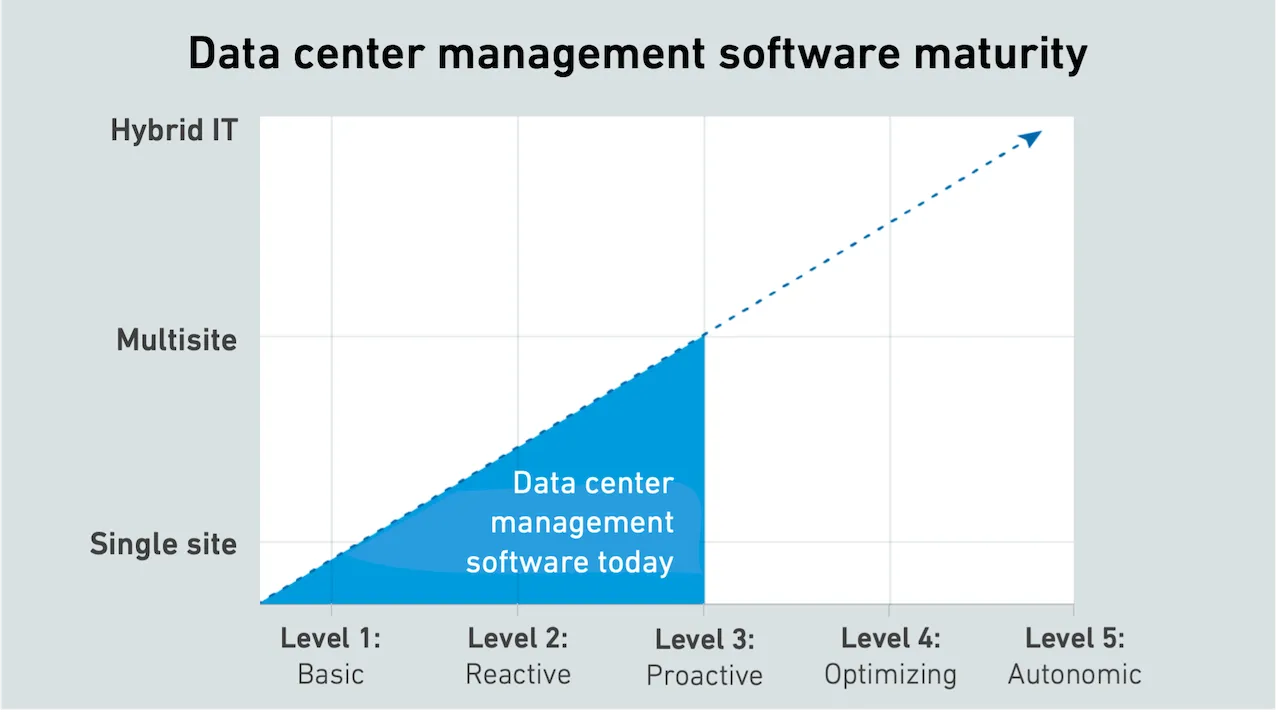
Uptime Institute has long argued that, although it may take many years, the long-term trend is toward a high level of automation in data centers, covering many functions that most managers currently would not trust to machines or outside programmers…
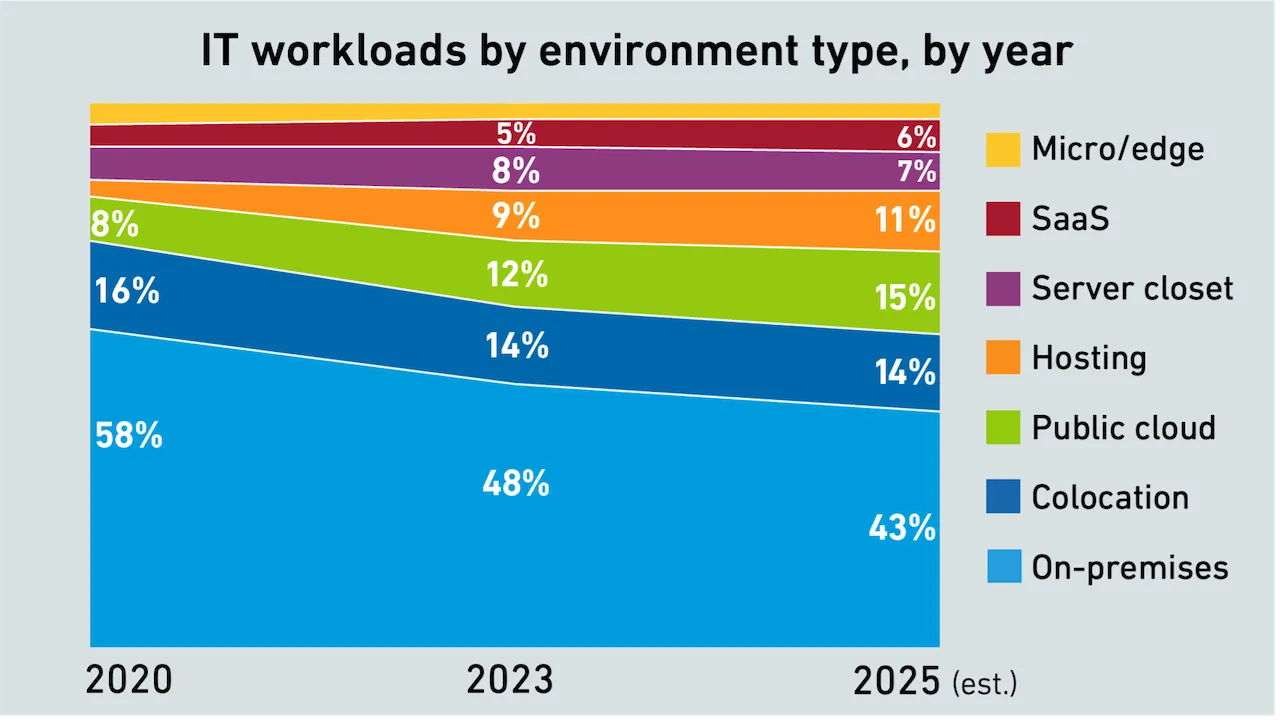
We recently discussed where enterprises are putting their workloads. In line with almost everyone’s research, Uptime has found a very strong move of workloads to the public cloud, much of which then ends up in running, wholly or in part, in…
One of the more intriguing results of the Uptime Institute Global Data Center Survey 2019 concerned energy efficiency. For years, data centers have become ever more efficient, with power usage effectiveness (PUE) ratings across the industry …