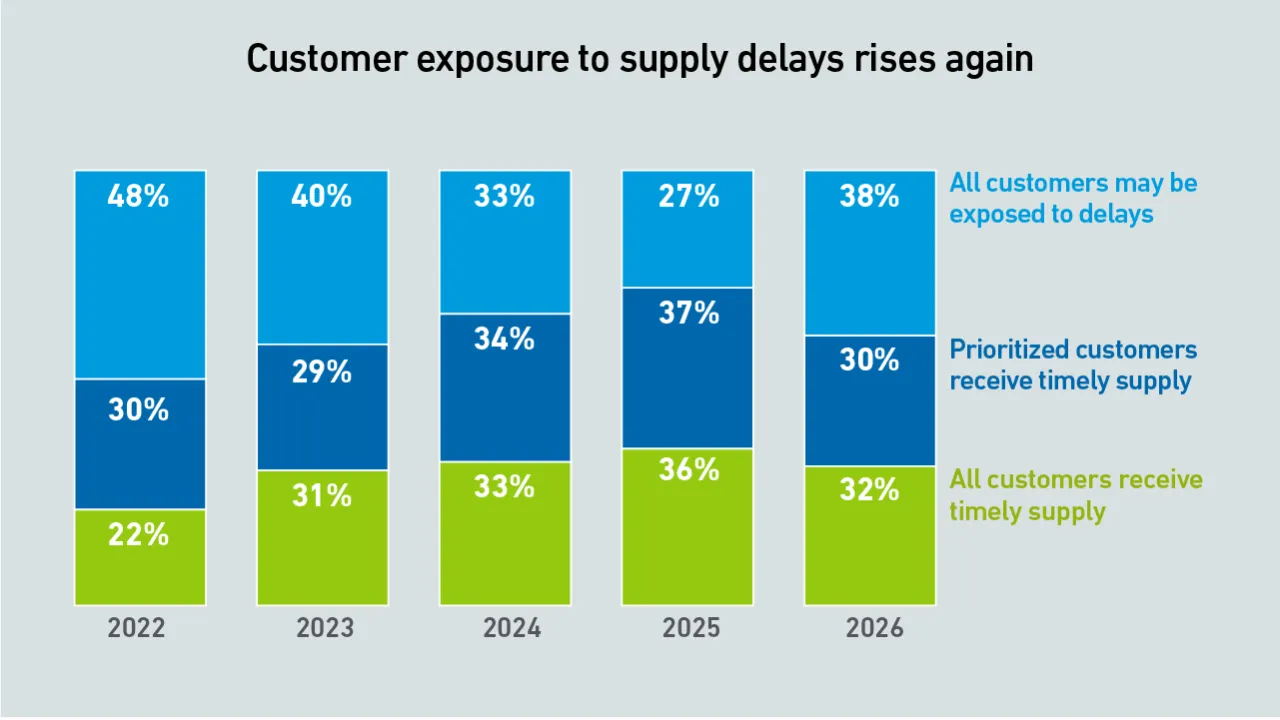
This report highlights results from vendor and product supplier respondents to the Uptime Institute Global Data Center Survey 2026 and provides an insight into the spending strategies, technology adoption and other issues facing their customers.

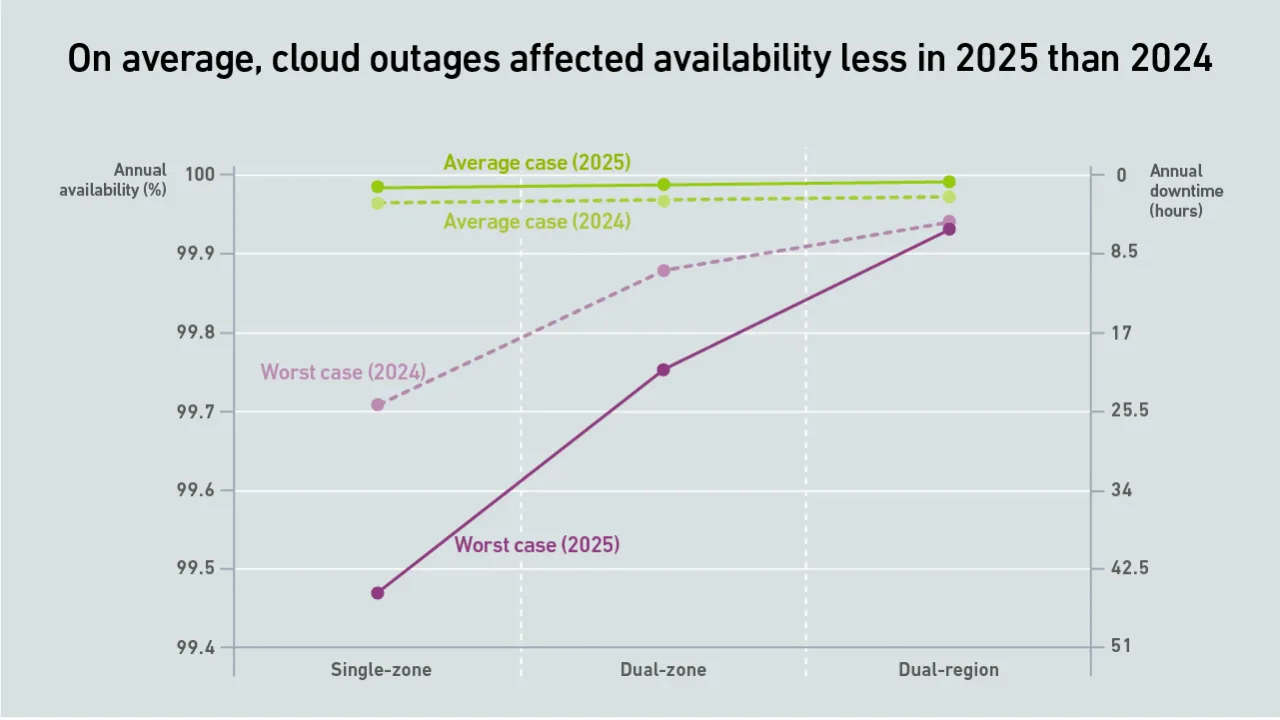
On average, cloud provider outages affected application availability less in 2025 than in 2024. Yet risk remains: an unfortunate choice of zone or region can subject even well-planned applications to hours of disruption.
Results from Uptime Institute's 2026 Data Center Operations and AI Survey (n=867) focus AI training and AI inference workloads hosted in data centers, as well as how AI workloads are being deployed in terms of data center cooling systems and rack…
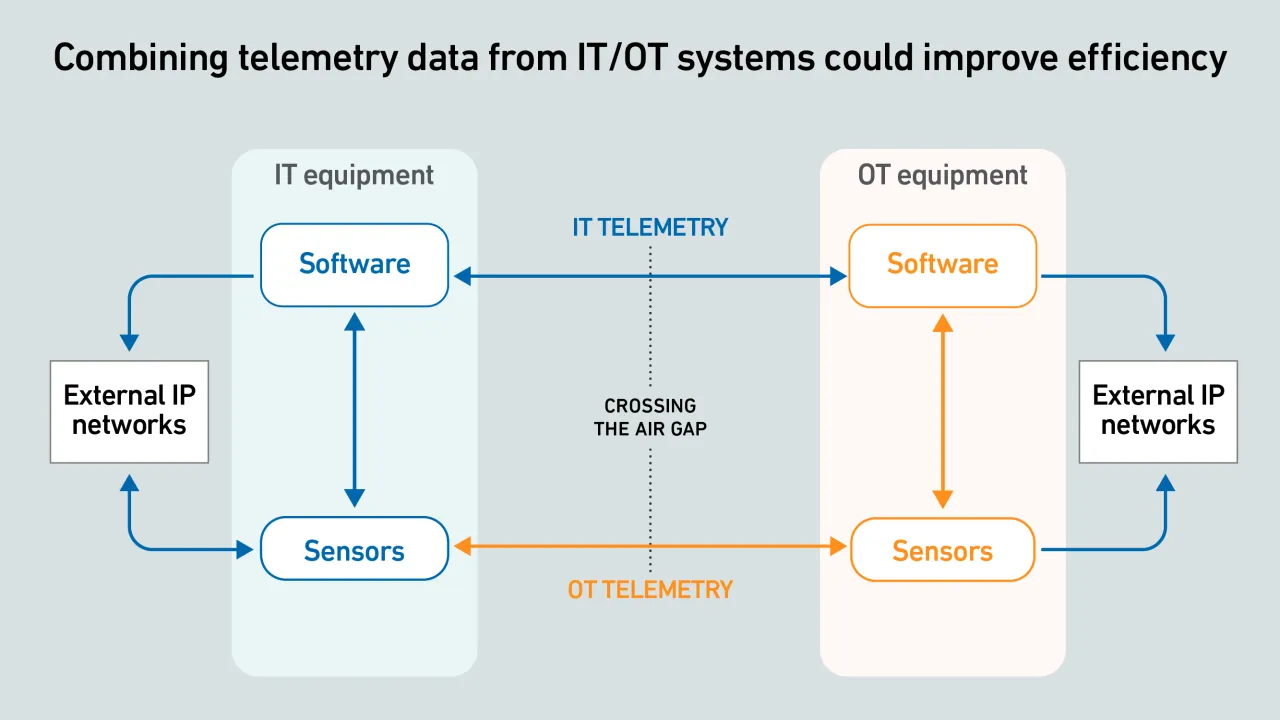
Traditional air gap security presents a barrier to applications requiring live IT-OT telemetry data. Rising interest in real-time monitoring and AI-driven operations requires a rethink of outdated, inflexible cybersecurity approaches.
More data center operators are performing AI training in 2026, and this type of workload continues to be distributed across a wide range of data center venues. No single hosting model has emerged as the default.
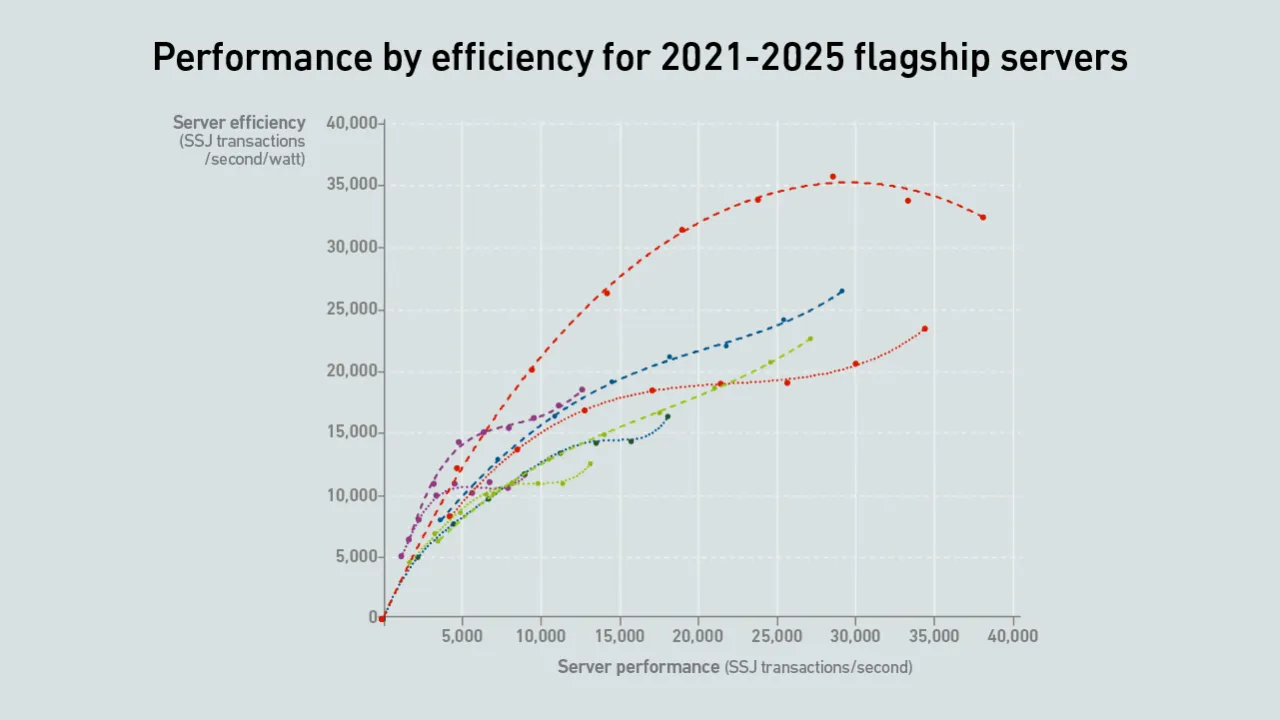
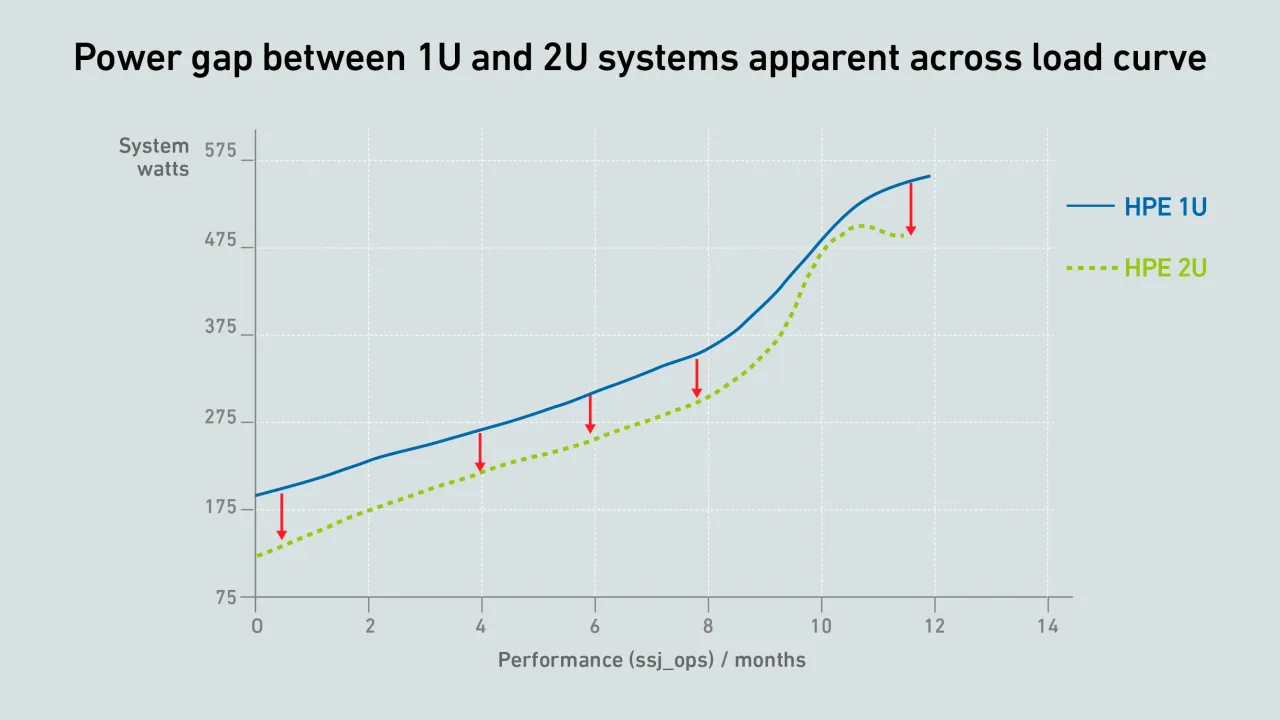
New flagship AMD and Intel servers with high core counts push performance boundaries while improving efficiencies. This report breaks down and visualizes improvements based on an analysis of SERT data.
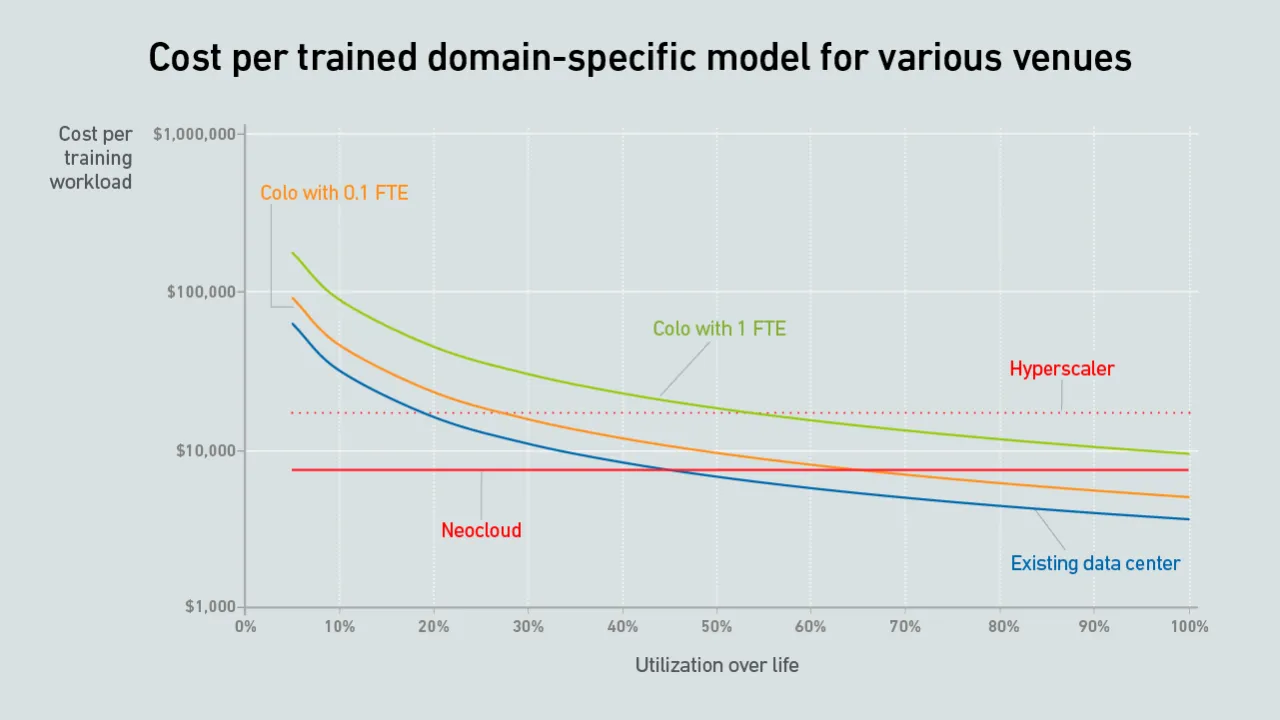
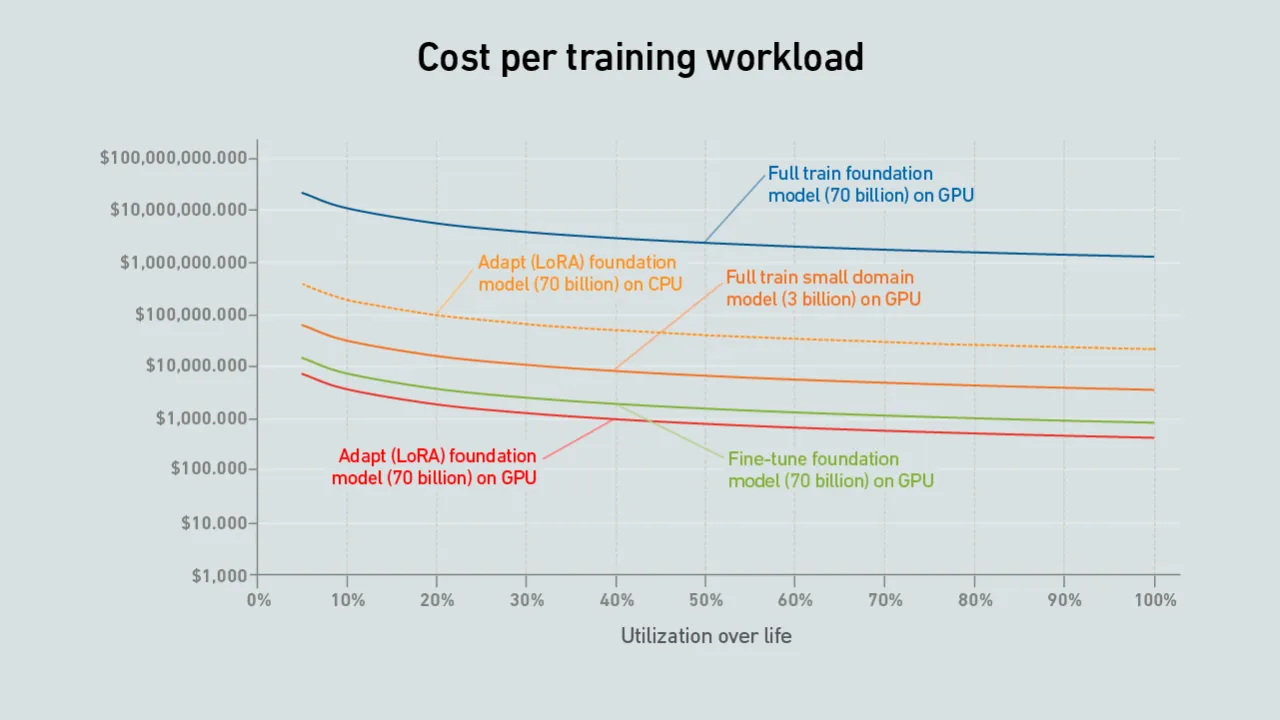
In AI model training, idle GPUs — not high prices — are the biggest driver of cost, with poor utilization quietly burning tens of thousands of dollars in wasted compute capacity.
An exclusive focus on densification and DLC (as if they were inevitable) risks becoming tunnel vision that ignores costs and alternative choices. For IT infrastructure not fully transitioning to DLC, keeping densities moderate may make more sense.
When choosing whether to develop a brand new LLM or fine-tune an existing one, the second option often makes more sense. It can be more cost-effective and requires fewer IT and facility resources.
IT-OT equipment telemetry offers huge potential to improve visibility into live facility operations, but data exchange often fails because systems and protocols are incompatible.
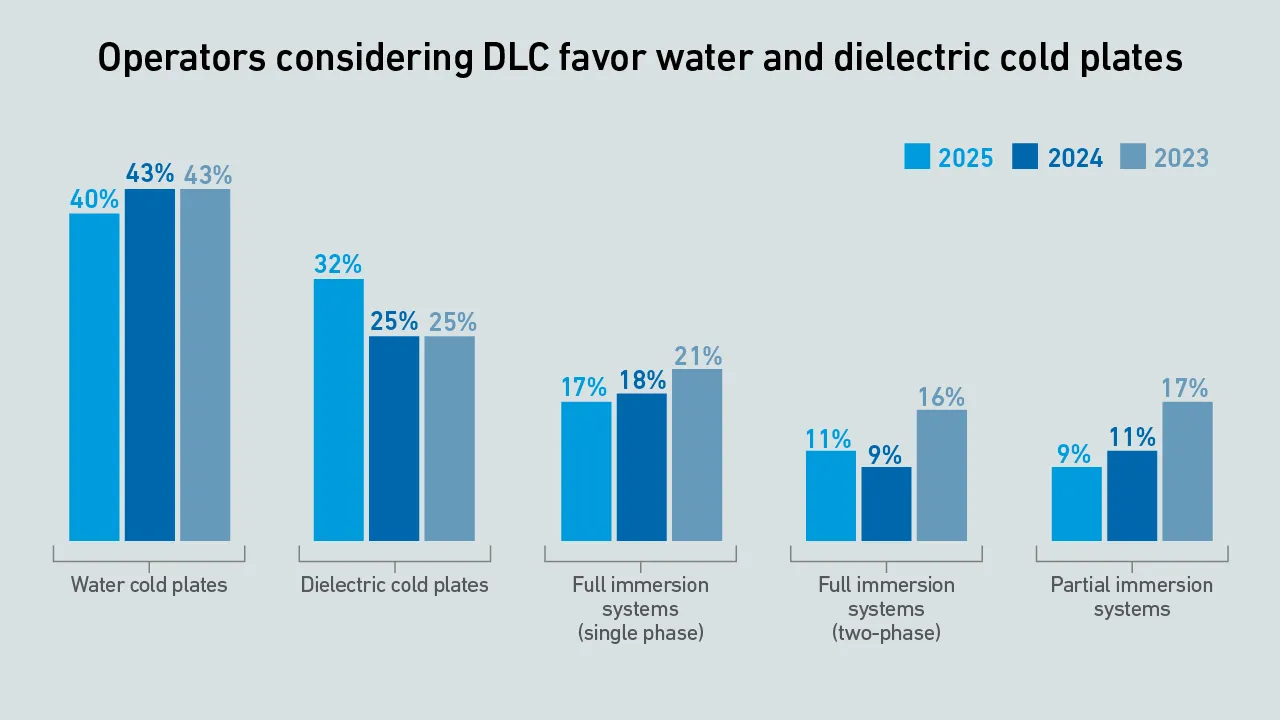
While water cold plates continue to dominate current liquid-cooling adoption, the industry has also turned its attention to different approaches, with two-phase cold plates in particular becoming a promising alternative.
Choosing whether to train a model from scratch or fine-tune an existing one comes down to the use case and cost — with hardware utilization remaining an important cost factor.
Enterprises deploying AI inference need to choose carefully to limit costs and protect their data.
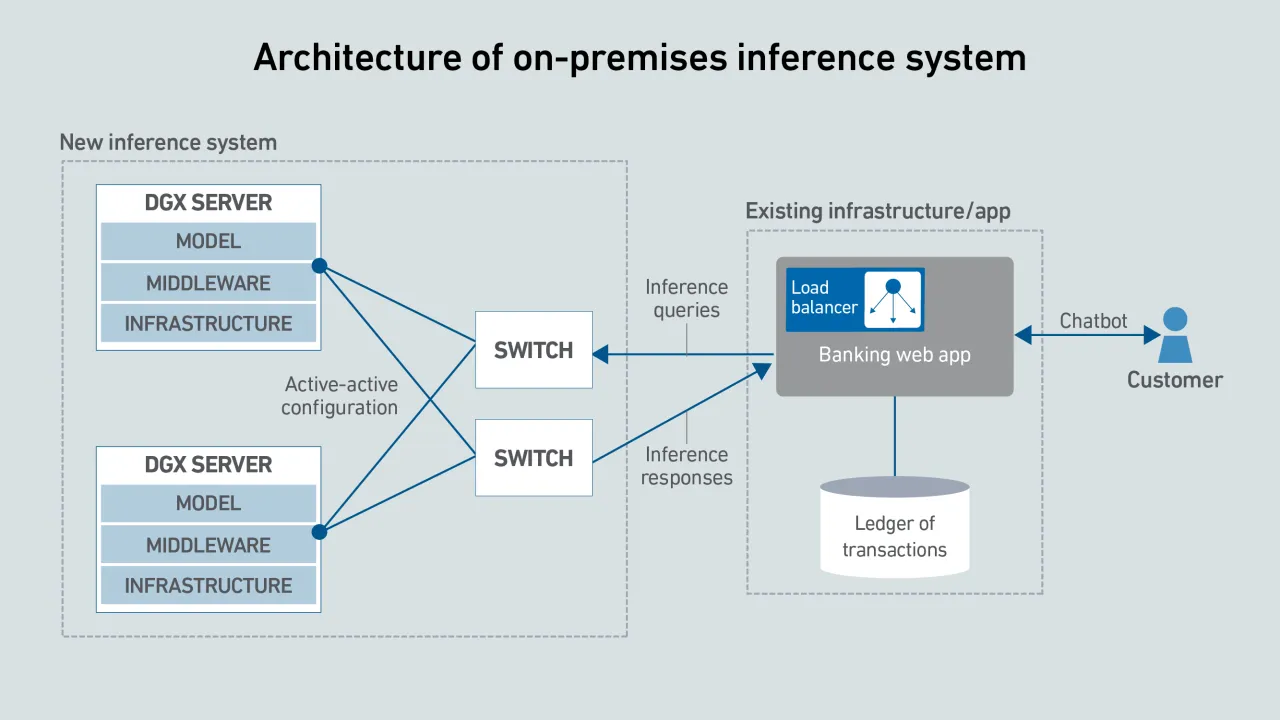
Although cloud platforms often offer the lowest cost for AI inference, on-premises deployment may be preferable due to application architecture, data locality and control requirements.
The cost of AI inference varies widely depending on deployment model, utilization and hardware. This costing tool compares on-premises, colocation and managed AI platforms on a like-for-like basis.