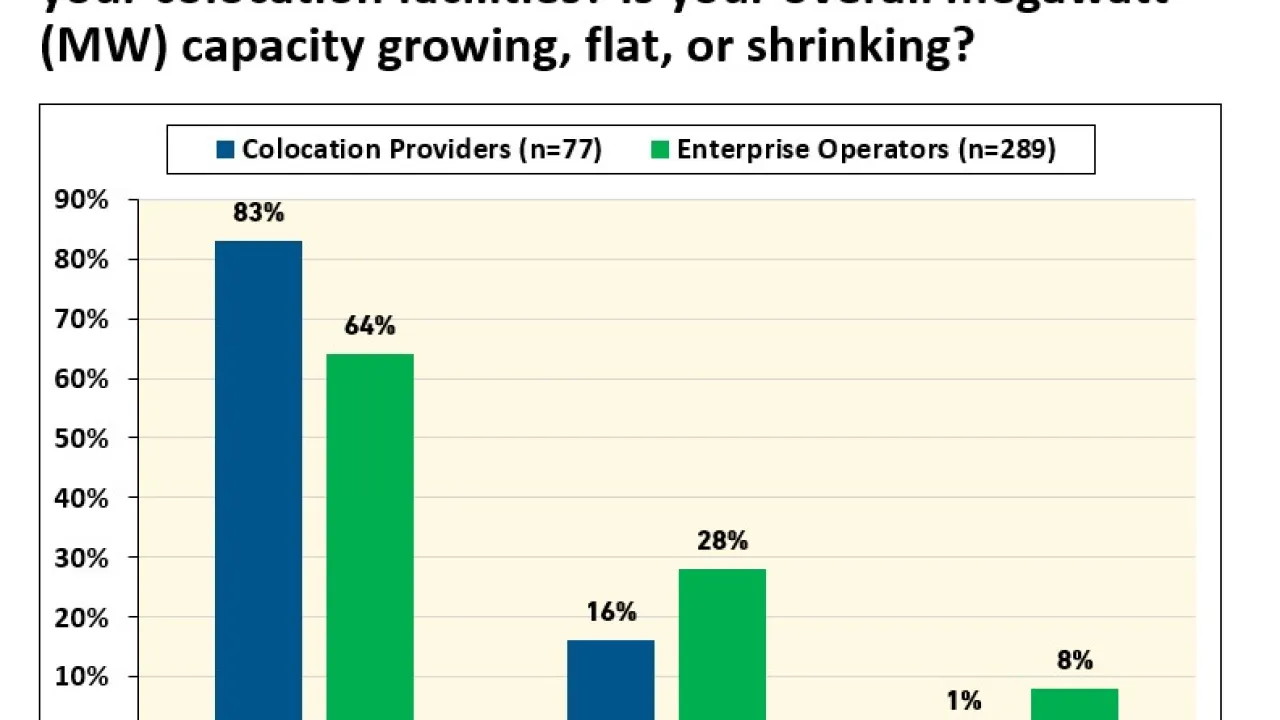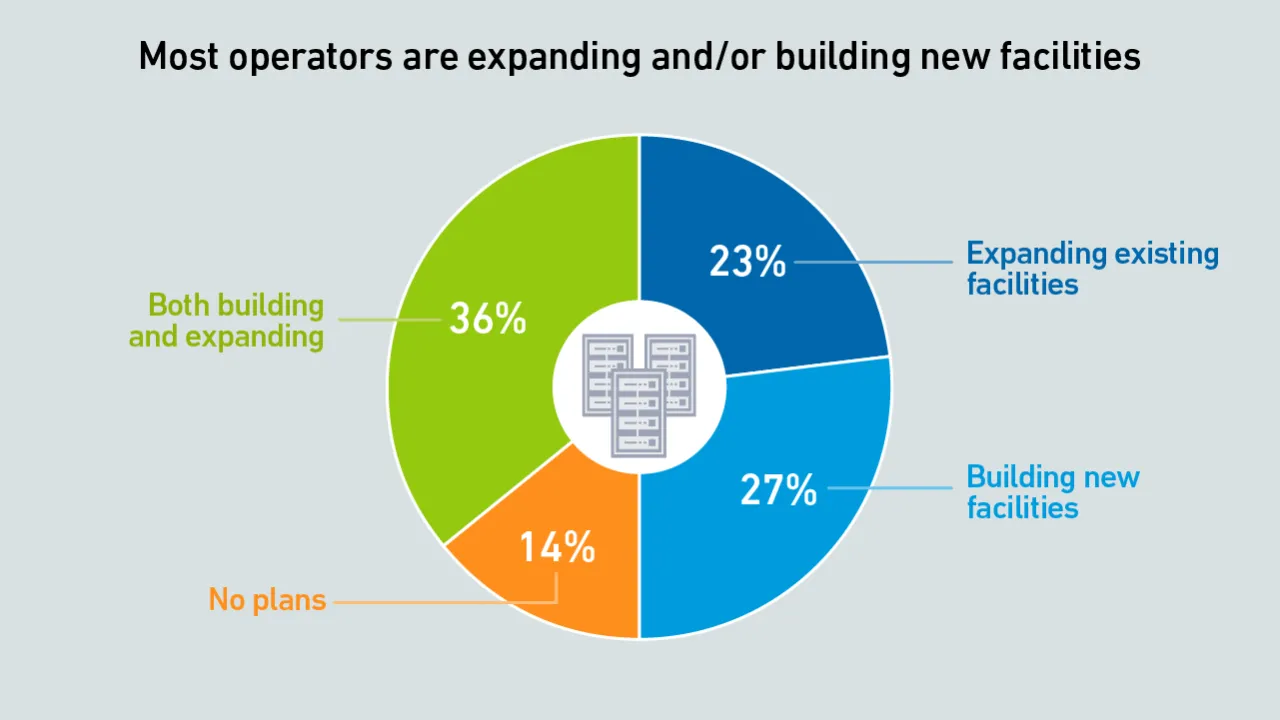
Growing workload demand continued to drive capacity growth in 2025. Results from the Uptime Institute Service Providers and Capacity Survey 2025 offer an insight into trends in capacity growth and the adoption of hybrid strategies.
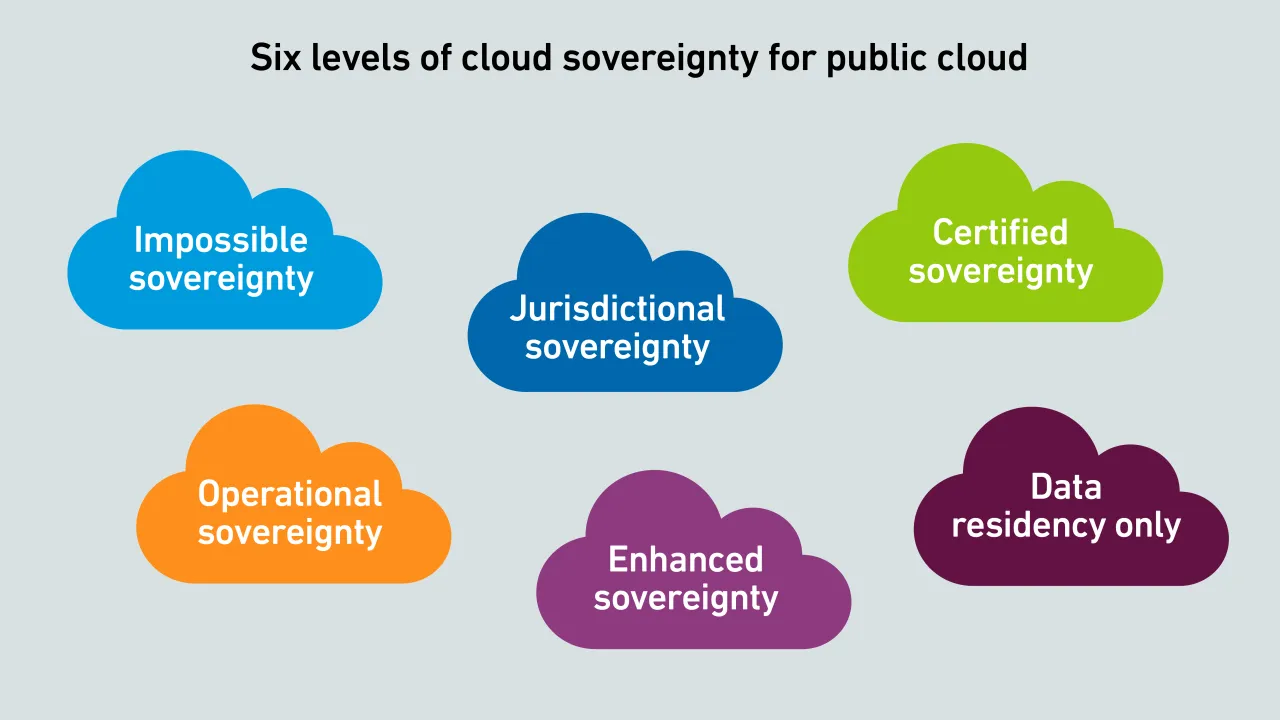
Cloud sovereignty is often treated as binary choice, but, in reality, it is a spectrum shaped by law, operations, technologies and supply chains. This framework explains the differences between sovereign public cloud options.
Uptime Institute's 2025 Service Providers and Capacity Survey (n=872) benchmarks the industry in the areas of public cloud, capacity in owned data centers, and capacity in colocation facilities.The attached data files below provide full results of…
The US Cloud Act lets US authorities access cloud data stored overseas. Encryption offers protection only when keys are firmly controlled - creating challenges for enterprises but an opportunity for colocation providers.
The remote nature of cloud computing makes it vulnerable to extraterritorial legal reach. Colocations, by contrast, only manage infrastructure - not data - shielding them from the same level of foreign governmental access.
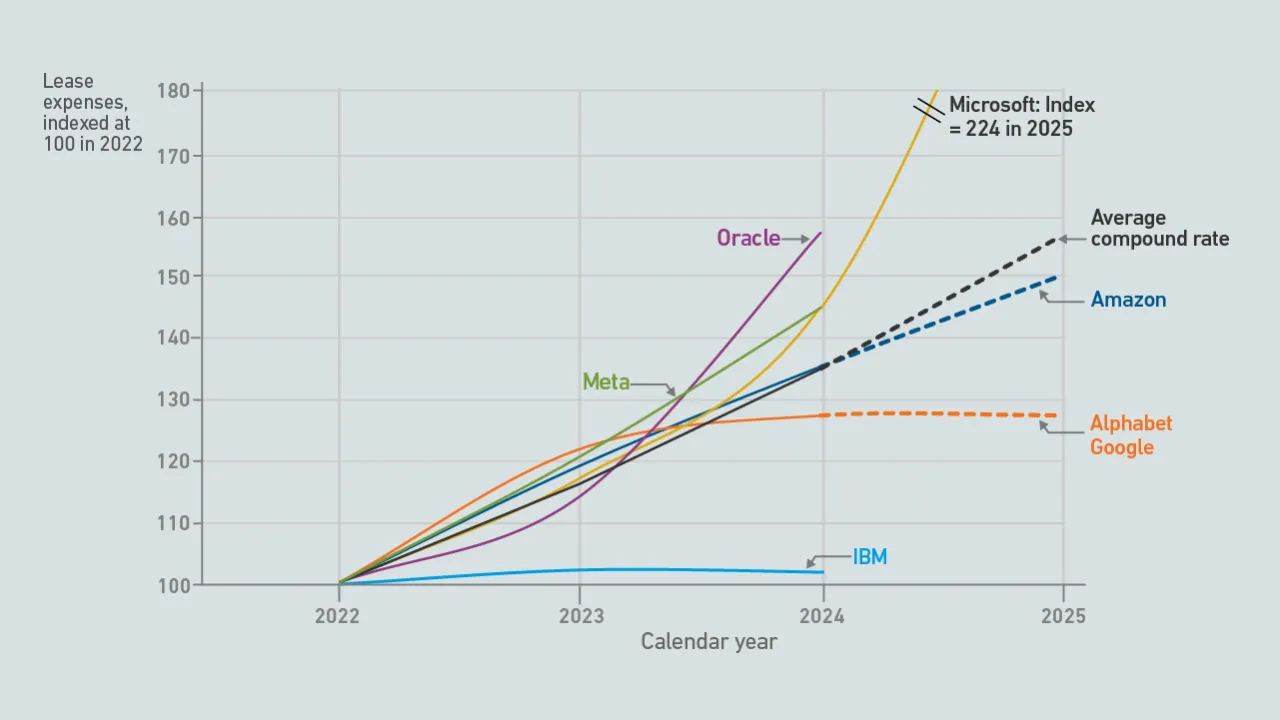
Financial data suggests that hyperscalers' use of colocation facilities has grown substantially over the past few years. Their investments in colocations also show no signs of slowing down.
The Uptime Institute Global Data Center Survey, now in its 15th year, is the most comprehensive and longest-running study of its kind. The findings in this report highlight the practices and experiences of data center owners and operators in the…
The 15th edition of the Uptime Institute Global Data Center Survey highlights the experiences and strategies of data center owners and operators in the areas of resiliency, sustainability, efficiency, staffing, cloud and AI.
Current geopolitical tensions are eroding some European organizations' confidence in the security of hyperscalers; however, moving away from them entirely is not practically feasible.
As AI workloads surge, managing cloud costs is becoming more vital than ever, requiring organizations to balance scalability with cost control. This is crucial to prevent runaway spend and ensure AI projects remain viable and profitable.
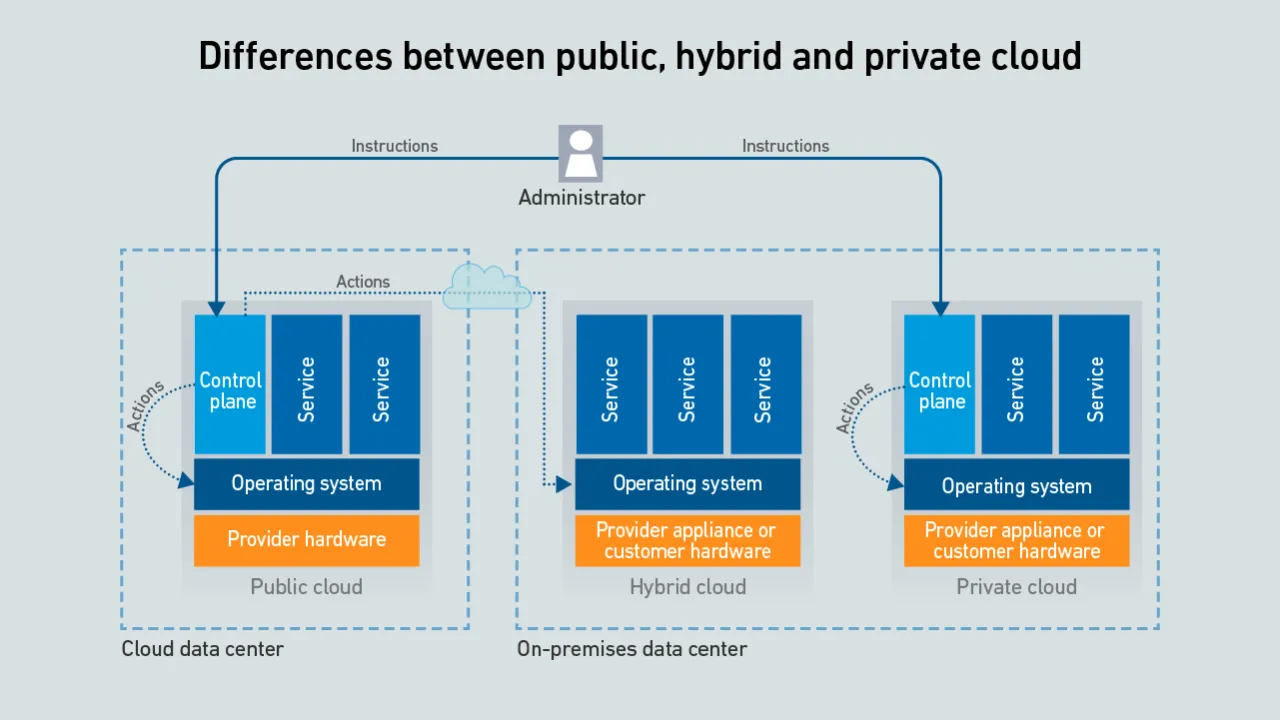
Hyperscalers offer a confusing array of on-premises versions of their public cloud-enabling infrastructure - the differences between them are rooted in whether the customer or the provider manages the control plane and server hardware.
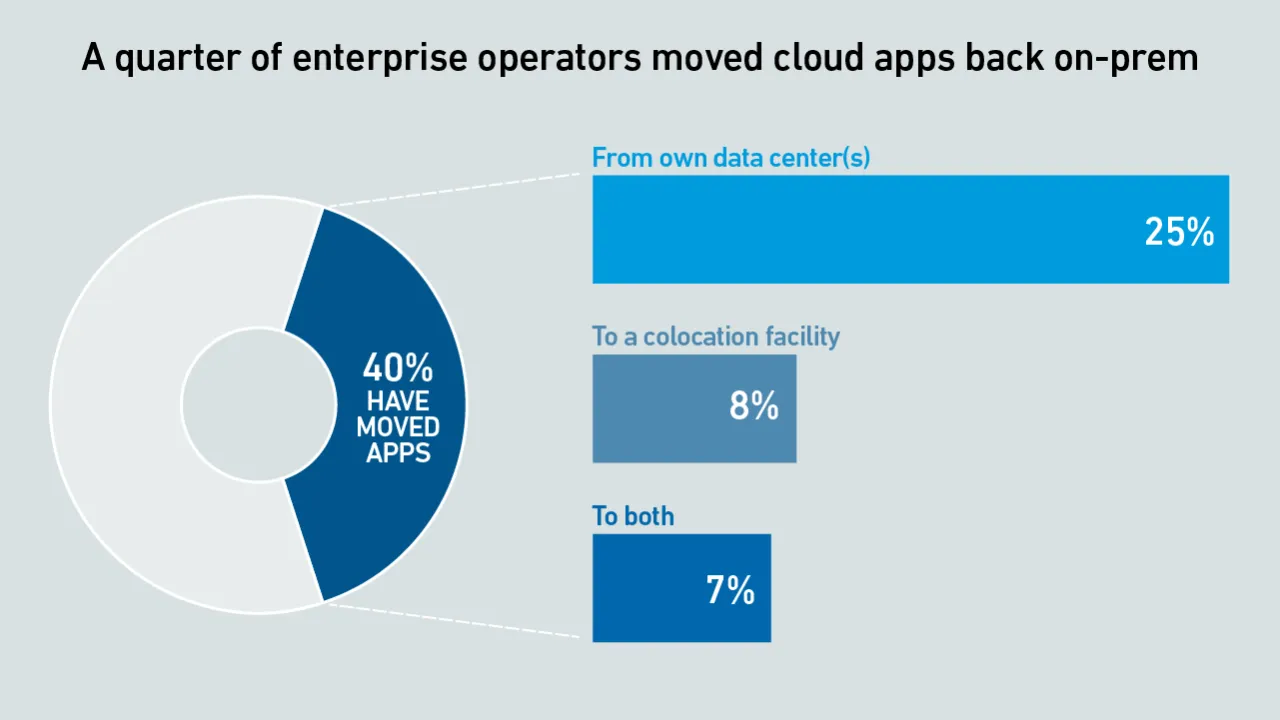
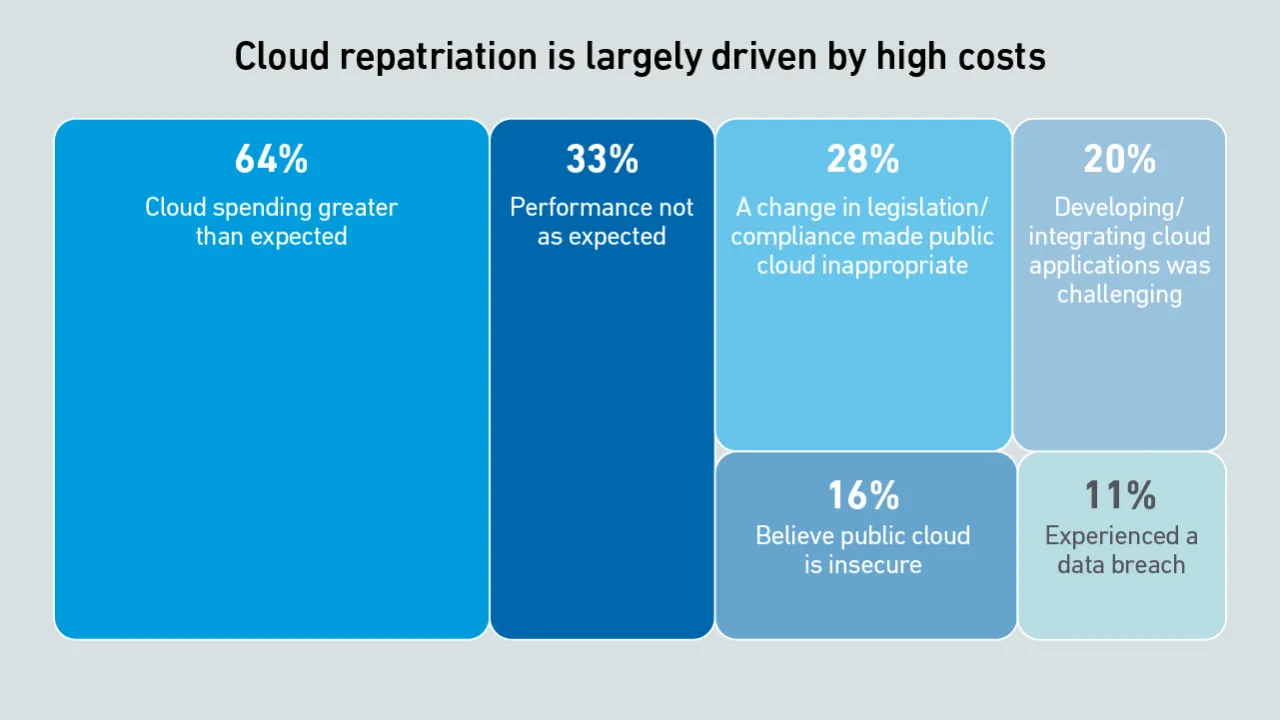
Scalability and cost efficiency are the top reasons enterprises migrate to the cloud, but scalability issues due to application design flaws can lead to spiralling costs - and some workload repatriation to on-premises facilities
This report highlights some of the findings from the Uptime Institute Capacity Trends and Cloud Survey 2024. Findings offer insight into what is driving capacity expansion.
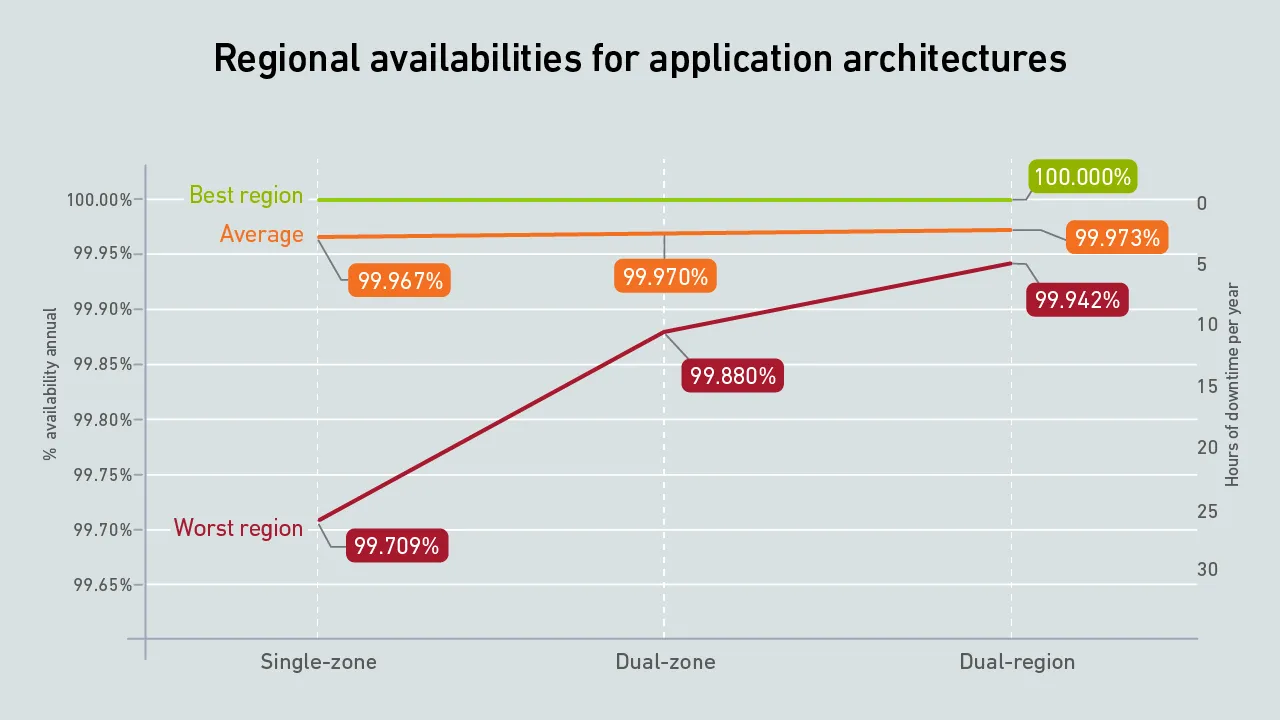
On average, cloud apps achieve availabilities of 99.97% regardless of their architecture. However, for the unlucky few that experience issues, a dual-region design has five times less downtime than one based on a single data center.
When building cloud applications, organizations cannot rely solely on cloud provider infrastructure for resiliency. Instead, they must architect their applications to survive occasional service and data center outages.