AI data centers are racing ahead, but the grid isn't keeping up: operators need to rethink how they connect to, generate and manage energy to unlock expansion without overwhelming already strained generation and transmission systems.
Traditional air gap security presents a barrier to applications requiring live IT-OT telemetry data. Rising interest in real-time monitoring and AI-driven operations requires a rethink of outdated, inflexible cybersecurity approaches.
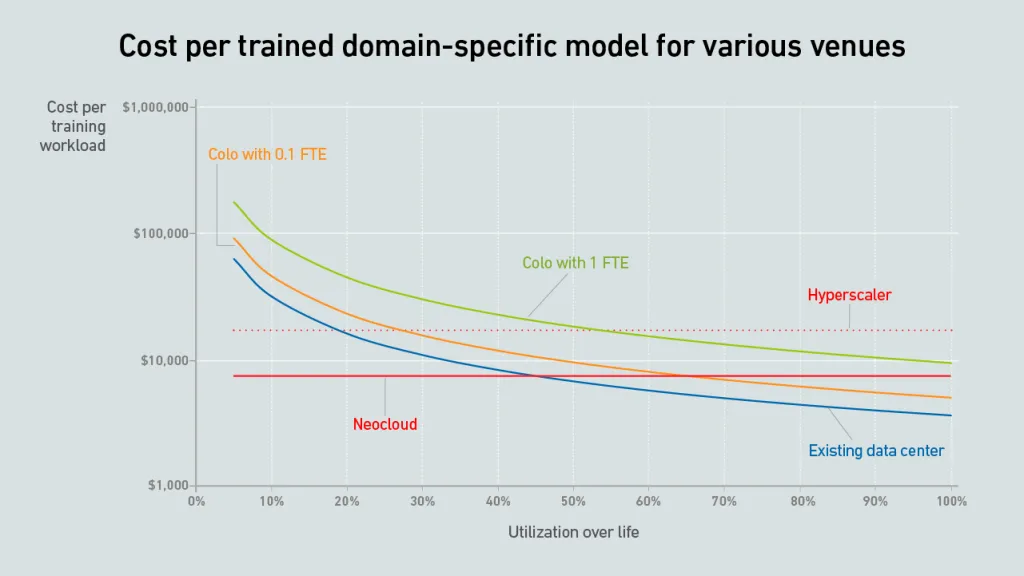
More data center operators are performing AI training in 2026, and this type of workload continues to be distributed across a wide range of data center venues. No single hosting model has emerged as the default.
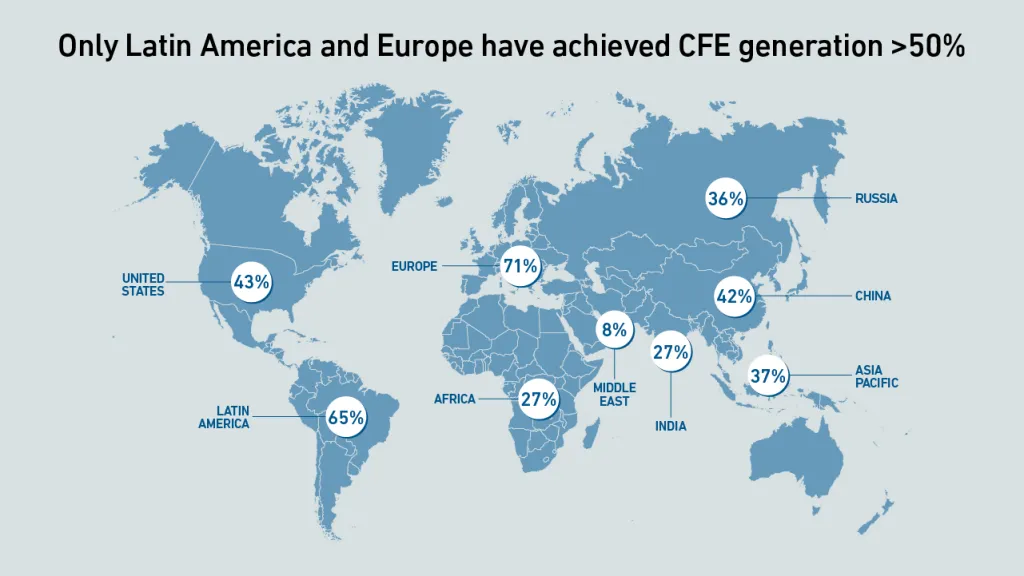
Hourly-matched net-zero by 2030 was an unrealistic Holy Grail
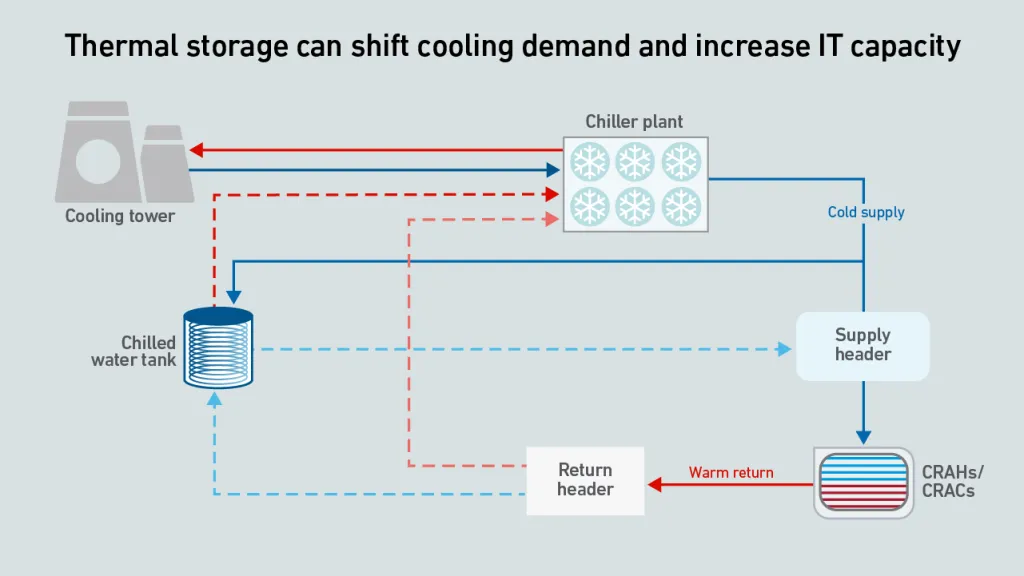
Rethinking thermal storage as a capacity tool
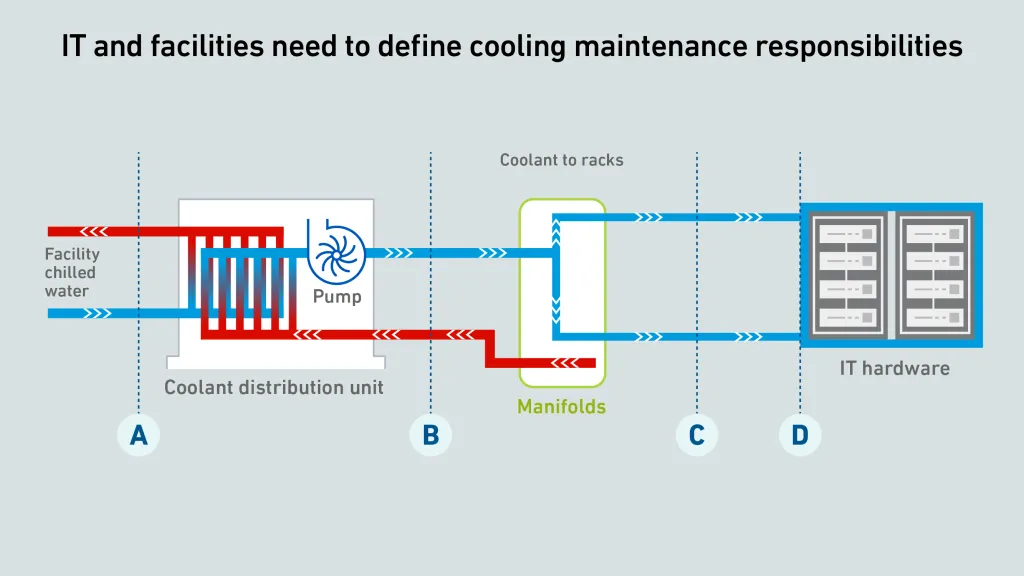
Consensus and confusion in liquid cooling maintenance
Critical spares management: In-House vs. Spare-Parts-as-a-Service
Copper is becoming a systems constraint, not just a commodity issue
RTO and MTTR for data center facilities and equipment
AIRs Access Workaround
Looking to leverage the strength of the data center community searching for obsolete Square…
Looking to talk with Network members about the impact of density changes on data center…
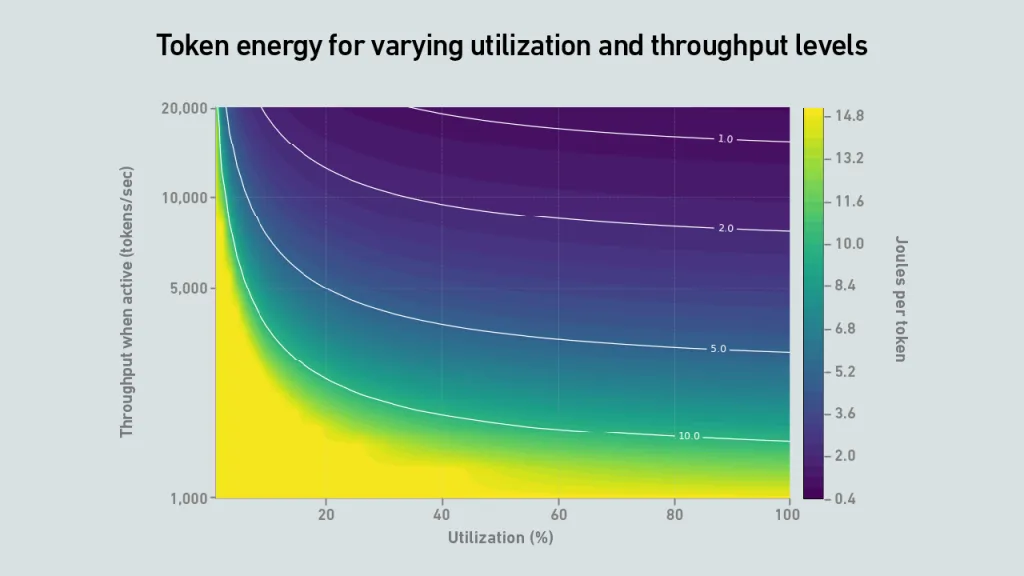
The problem with energy per token
NERC alert points to future of grid
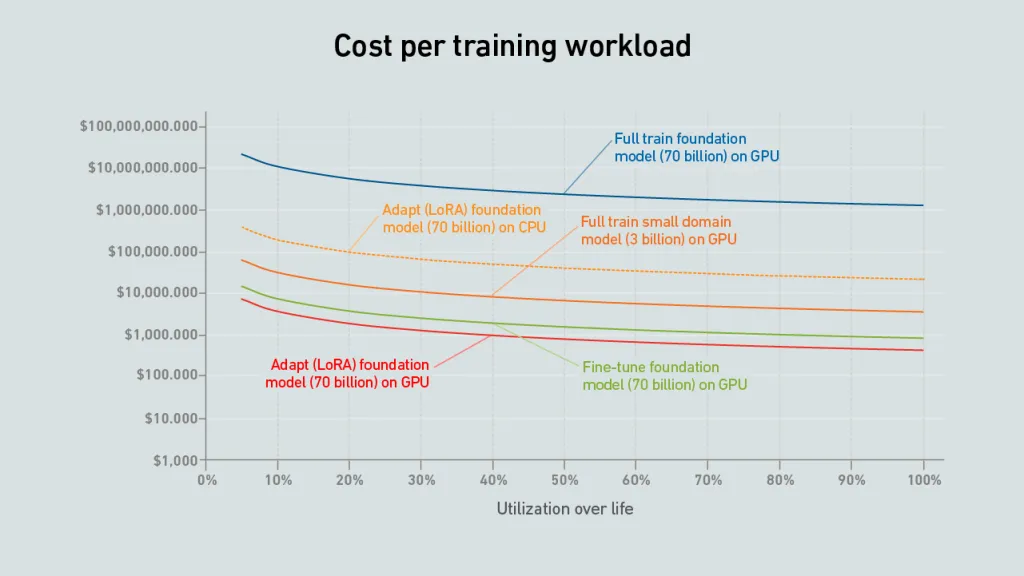
How AI training choices affect infrastructure costs
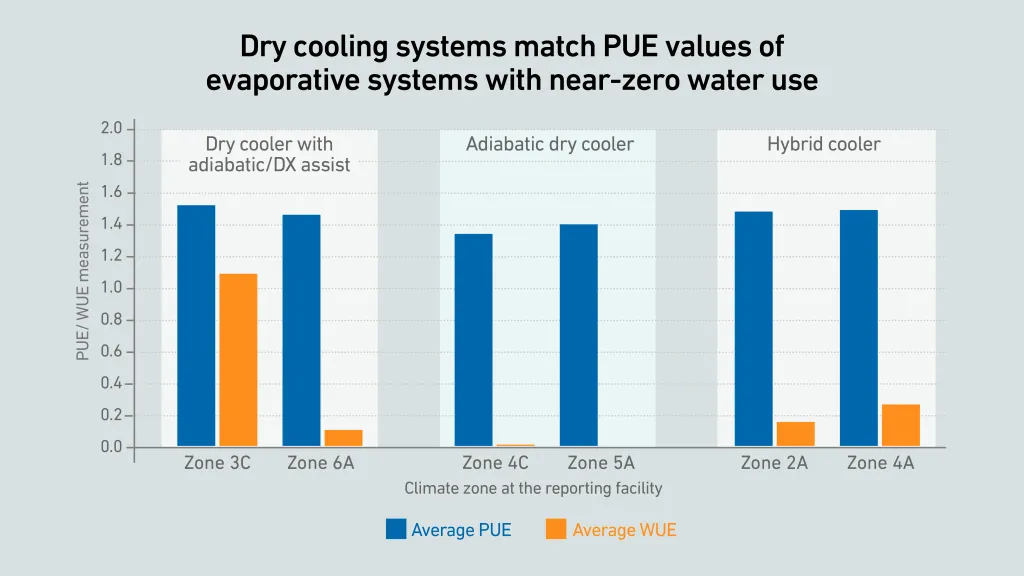
Dry cooling energy performance can rival evaporative cooling
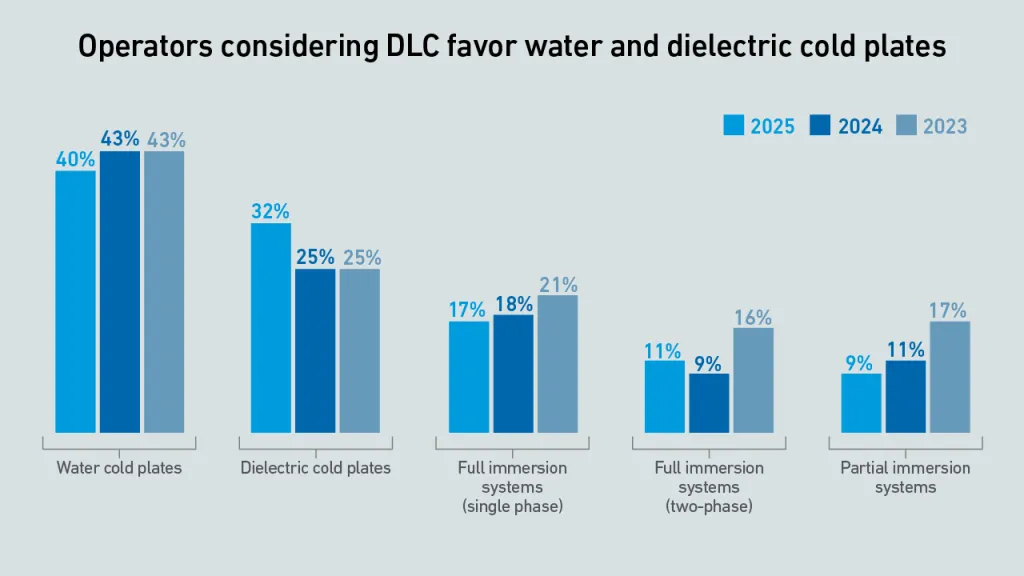
Investments back two-phase cooling as water cold plate successor
Next-gen GPUs may not need chillers — but data centers do
Emerging tech: carbon capture at source
Vendors gearing up for 800V DC adoption
Ireland's new grid rules signal shift in data center roles
Where to deploy AI training: a guide to the economics
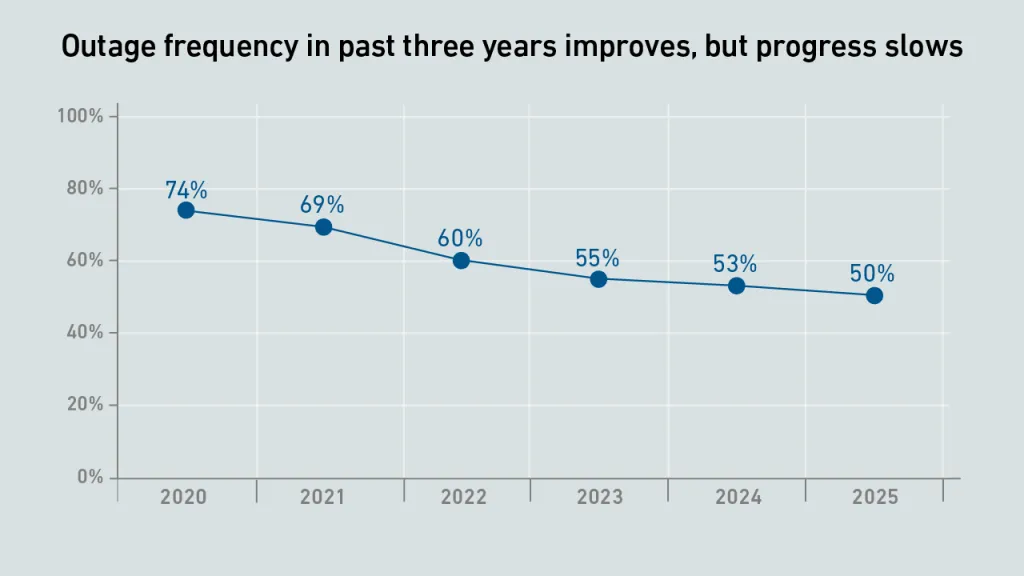
Annual outage analysis 2026
As AI models improve, availability lags behind
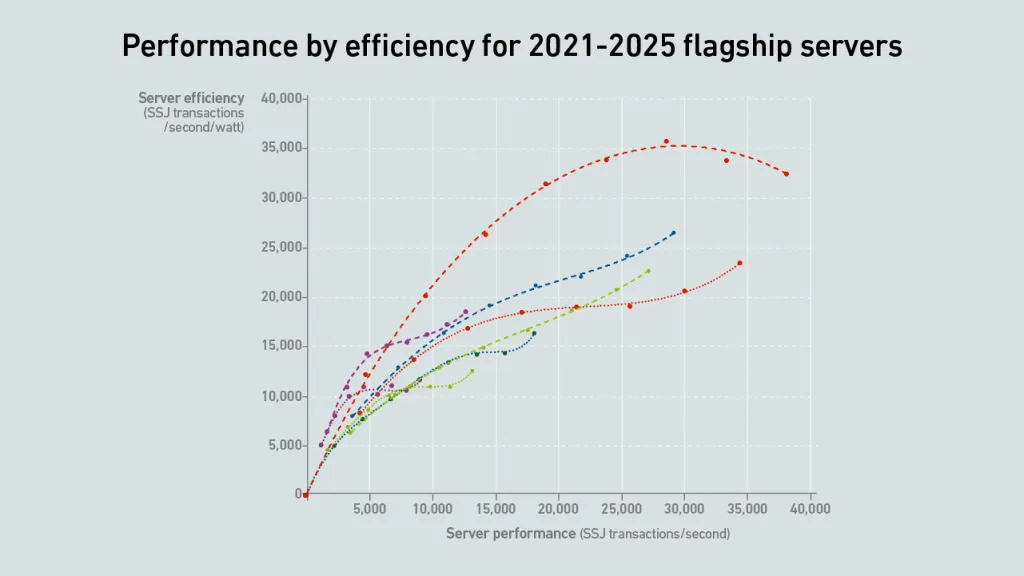
Flagship servers push peak performance and lift efficiency
US data center critics pivot from moratoria to regulations
Modular data centers look to solve the challenges of AI