Nvidia’s DSX proposal outlines a software-led model where digital twins, modular design and automation could shape how future gigawatt-scale AI facilities operate, even though the approach remains largely conceptual.
Colocation and enterprise companies have endured ongoing staffing issues, and accelerated growth in 2026 will strain hiring pools further. Strategies to address worker vacancies vary, but few have been successful.
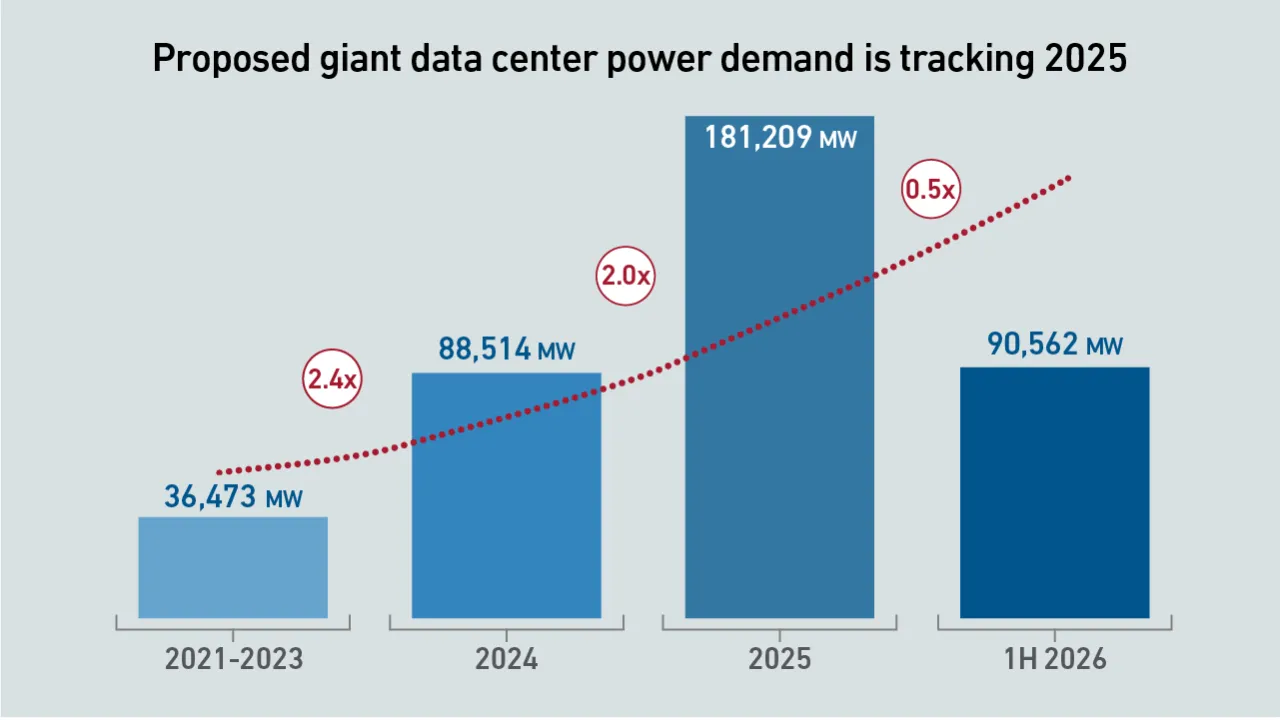
Giant data centers are being planned and built across the world to support AI, with successful projects forming the backbone of a huge expansion in capacity. But many are also uncertain, indicating risks and persistent headwinds.
Enterprise and colocation operators continue to invest in growth heading into 2026. However, survey results suggest that strategies for balancing IT, capacity and workforce spending will diverge in the year ahead.
Uptime Institute's 2025 Service Providers and Capacity Survey (n=872) benchmarks the industry in the areas of public cloud, capacity in owned data centers, and capacity in colocation facilities.The attached data files below provide full results of…
Not all AI is the same; yet broad marketing claims often blur the line between automation and real intelligence. Understanding which AI types truly pose risks is essential in diminishing operator skepticism and fears of hallucinations.
The updated model projects a doubling of power consumption by the end of 2026, with IT loads serving generative AI workloads breaking through 10 GW of capacity.
The European Commission published the final assessment of the data center label and minimum performance standards (MPS) in October. The final delegated act could require posting a label in 2026 or 2027, with MPS values likely to be 2 years away.
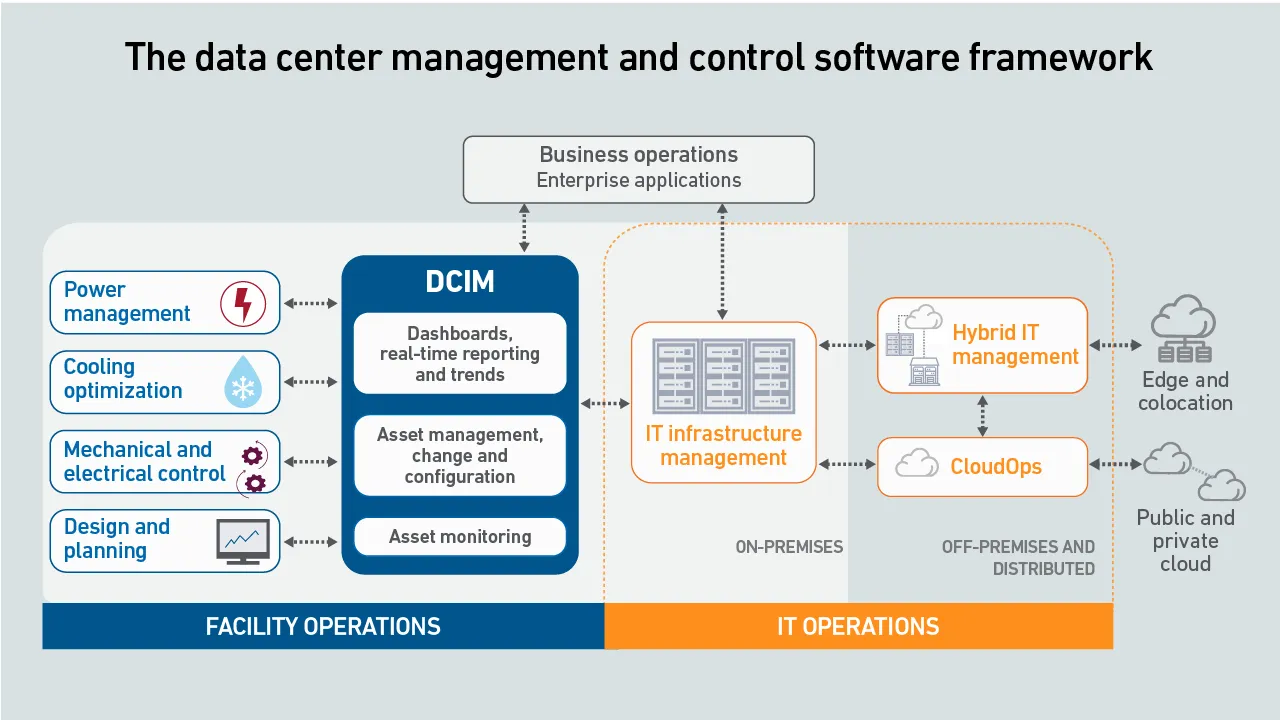
There is an expectation that AI will be useful in data center operations. For this to happen, software vendors need to deliver new products and use cases - and these are starting to appear more often.
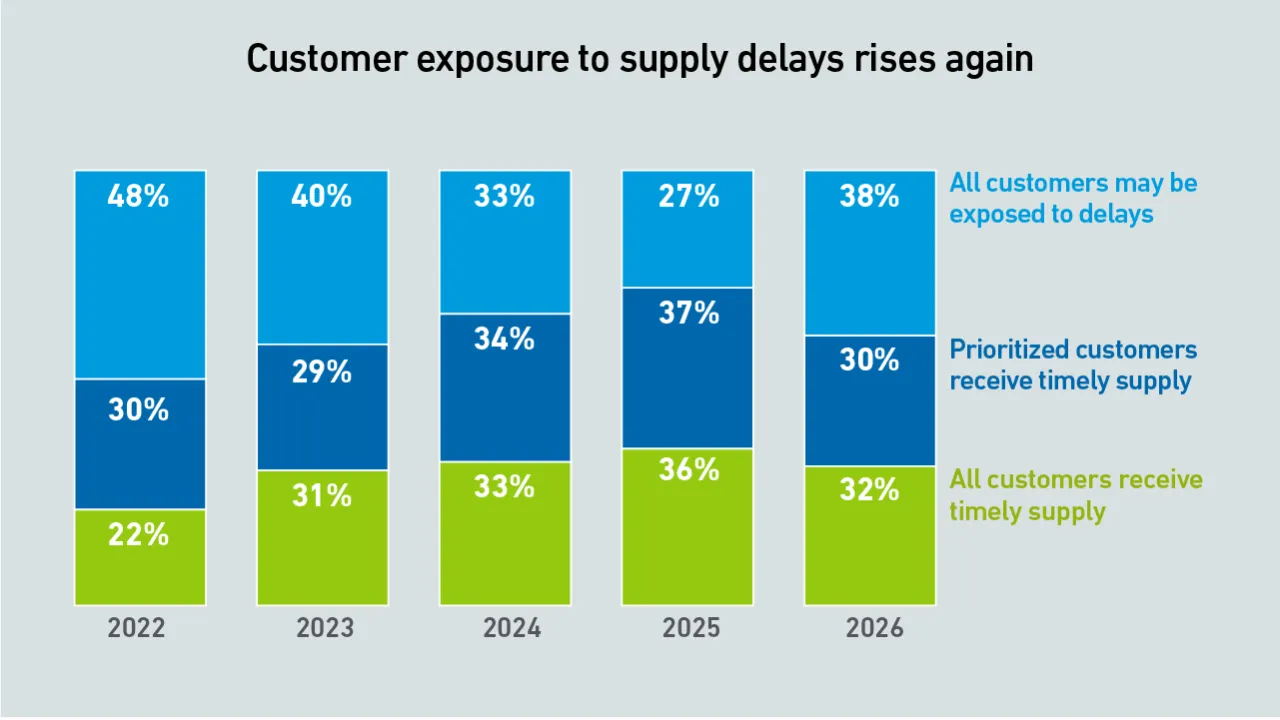
Uptime Institute's latest Data Center Spending Survey (n=850) looks ahead to data center spending and budgets for 2026, as well as the current supply chain market in the industry.The attached data files below provide full results of the survey,…
A fire in South Korea's government data center shows how a misjudged safety fix and a lithium-ion battery can spark a national outage, proving that battery chemistry, placement, and procedures are central to resilience.
Financial institutions are embracing public cloud for some mission-critical workloads, and using it as a launchpad for AI development.
As IT organizations embrace AI, data center facilities and colocation providers need to plan to deploy the supporting infrastructure - despite many uncertainties. Most, however, are still moving cautiously.
Staffing and retention issues continue to put pressure on the data center industry. Colocation and enterprise operators cite recruiting qualified staff as a top concern, according to the Uptime's Data Center Staffing and Recruitment Survey 2025.
Research into neuromorphic computing could lead to the creation of smaller, faster and more energy-efficient AI accelerators. This would have a transformative impact on digital infrastructure.