Although cloud platforms often offer the lowest cost for AI inference, on-premises deployment may be preferable due to application architecture, data locality and control requirements.
The cost of AI inference varies widely depending on deployment model, utilization and hardware. This pricing tool compares on-premises, colocation, cloud infrastructure and managed AI platforms on a like-for-like basis.
PUE measures facility energy overhead relative to IT load, but it does not show how much of a site's provisioned power envelope ultimately reaches IT. Power and compute effectiveness (PCE) introduces a metric that makes this allocation visible.
Uptime Intelligence analysis shows that minimum thresholds for IT power utilization misrepresents server work capacity utilization. These thresholds can unintentionally incentivize operators to disable server energy efficiency features.
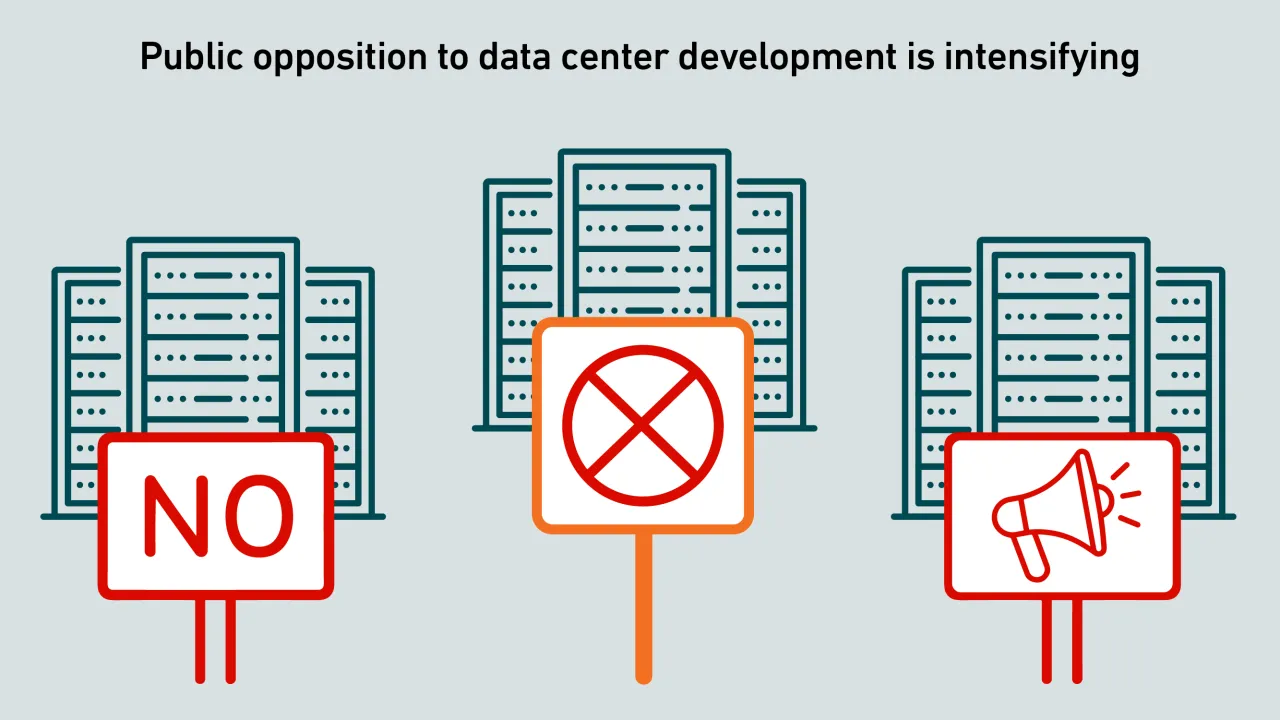
Concerns over rising electricity costs and environmental impact are driving local opposition to new data center projects in the US, prompting a growing number of cancellations.
Growing workload demand continued to drive capacity growth in 2025. Results from the Uptime Institute Service Providers and Capacity Survey 2025 offer an insight into trends in capacity growth and the adoption of hybrid strategies.
French data center operators must meet strict PUE and WUE targets from early 2027 to maintain their electricity tax benefits.
Surging demand for AI data centers is driving a shift to on-site natural gas power, even though operators admit this will delay the achievement of net-zero goals.
Is your infrastructure prepared for the demands of artificial intelligence? Discover how to create resilient, adaptable, and scalable systems that can meet the intensive requirements of modern AI applications. In this engaging session, Uptime's…
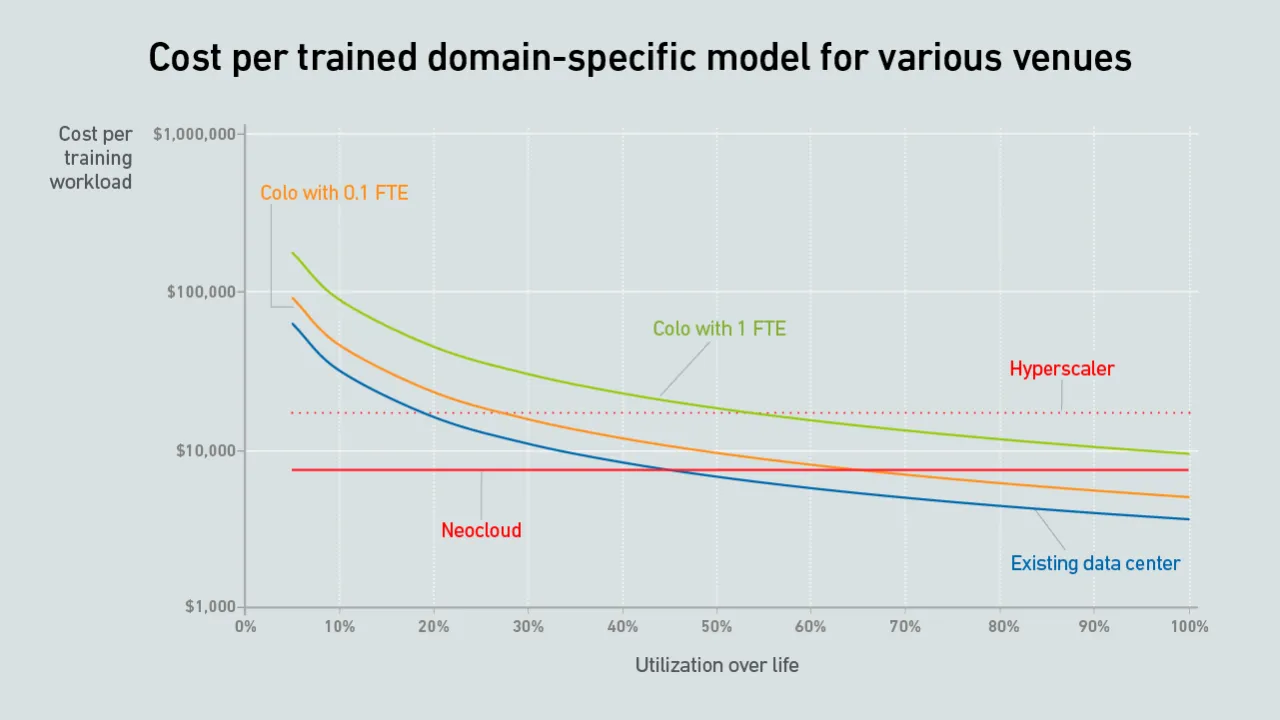
Simple arithmetic shows that newly constructed, large-scale private data centers with high occupancy rates can sometimes undercut colos on unit costs, but in most cases colos remain significantly cheaper.
Giant data centers are being planned and built across the world to support AI, with successful projects forming the backbone of a huge expansion in capacity. But many are also uncertain, indicating risks and persistent headwinds.
Enterprise and colocation operators continue to invest in growth heading into 2026. However, survey results suggest that strategies for balancing IT, capacity and workforce spending will diverge in the year ahead.
Competition for grid power is increasing; data center operators need to use reserved grid power responsibly — to support business objectives, maintain strong relationships with authorities and avoid negative publicity.
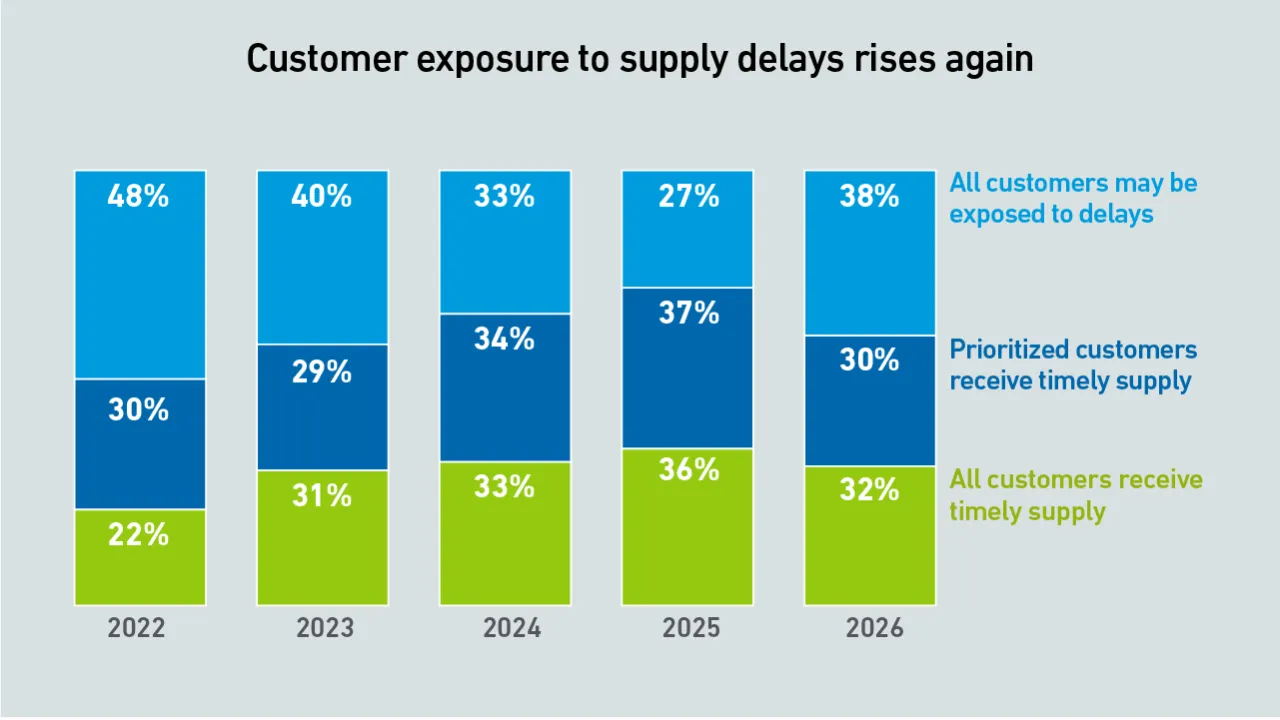
Operators report fewer supply chain disruptions in 2025, but delays remain common. Access to key equipment and progress on capital projects still vary by region and segment, even as demand continues to add pressure.
The proposed Scope 2 Guidance updates radically alter current accounting methodologies. These changes will complicate Scope 2 offset markets (e.g., EACs, RECs and GOs), adding unnecessary complexity and resource demands to Scope 2 accounting.