Competition for grid power is increasing. Data center operators need to use reserved grid power responsibly — to support business objectives, maintain strong relationships with authorities and avoid negative publicity.
Not all AI is the same; yet broad marketing claims often blur the line between automation and real intelligence. Understanding which AI types truly pose risks is essential in diminishing operator skepticism and fears of hallucinations.
The updated model projects a doubling of power consumption by the end of 2026, with IT loads serving generative AI workloads breaking through 10 GW of capacity.
There is an expectation that AI will be useful in data center operations. For this to happen, software vendors need to deliver new products and use cases - and these are starting to appear more often.
AI is changing how data centers operate, what began with algorithmic fine-tuning of chilled-water plants is now moving into the IT side of operations, closer to the load. But will operators ever trust AI enough to let it run the room?
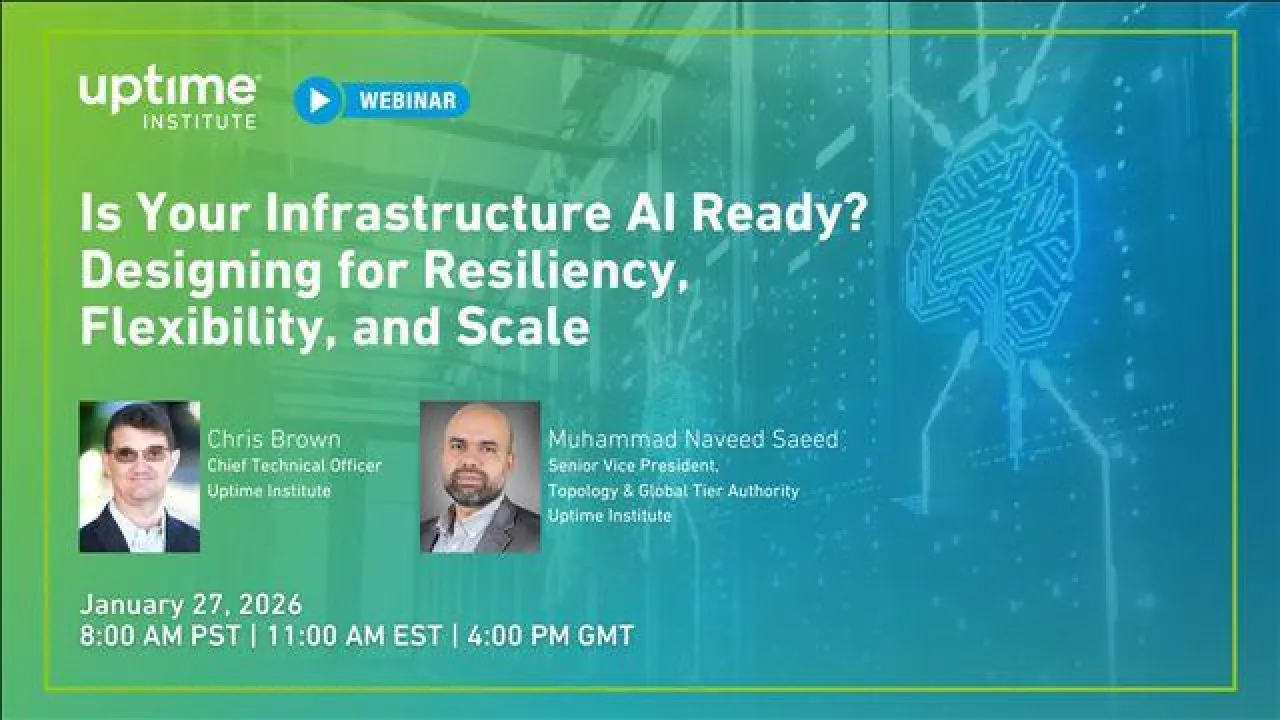
From on-prem AI to high-density IT, this webinar examined survey findings on how operators are preparing for what's next.
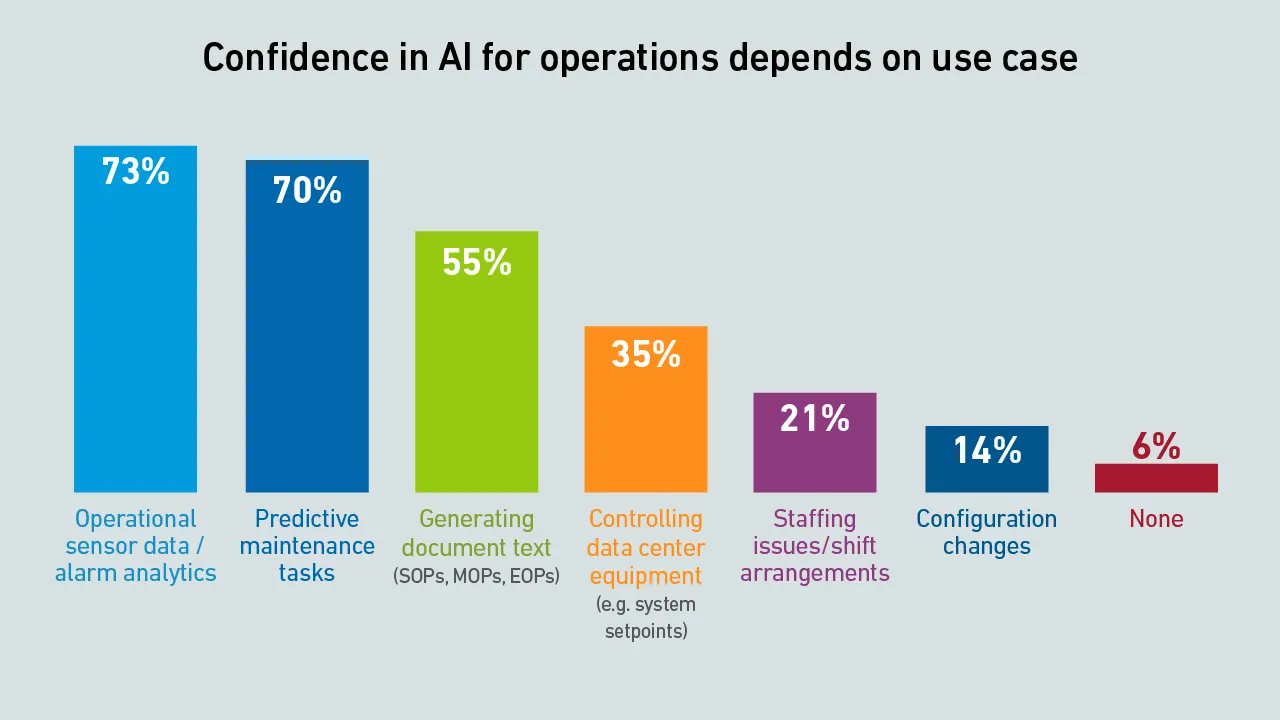
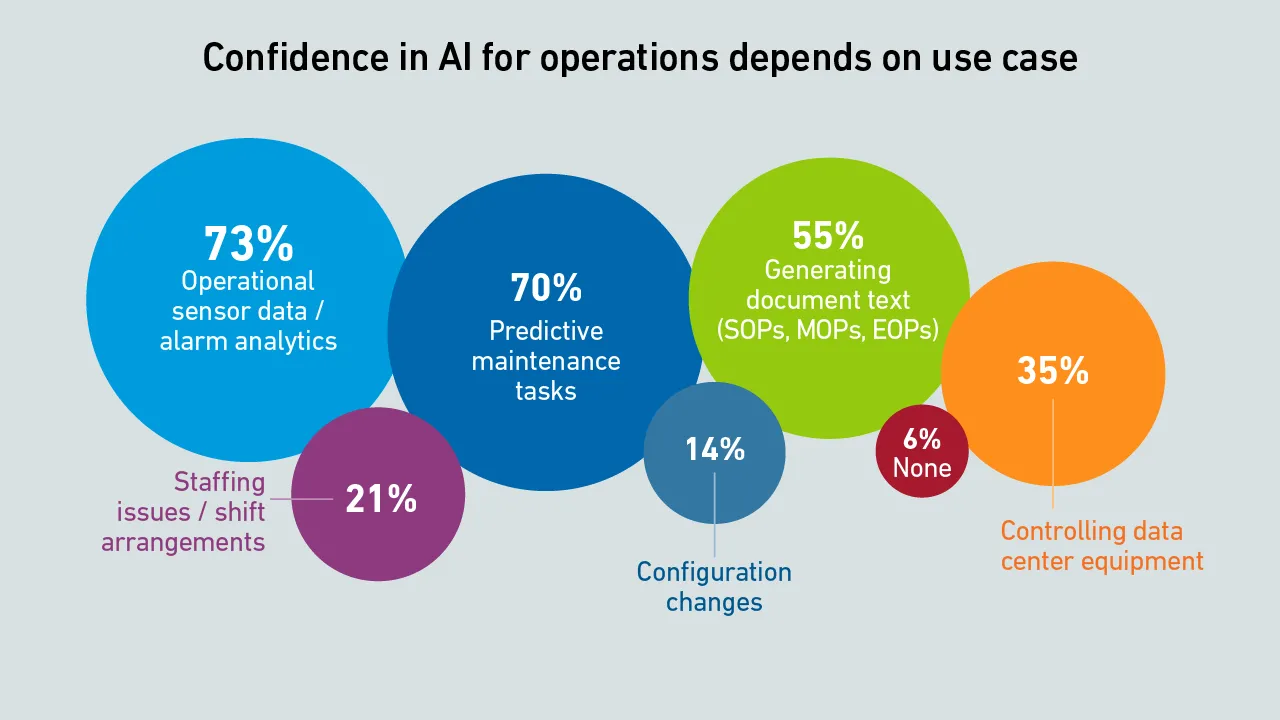
Most operators do not trust AI-based systems to control equipment in the data center - this has implications for software products that are already available, as well as those in development.
Rising IT power densities are pushing chilled water systems to their limits. AI-driven control offers predictive load management, optimized sequencing and stable delta-T under demanding conditions.
Several operators originally established to mine cryptocurrencies are now building hyperscale data centers for AI. How did this change happen?
The Uptime Institute Global Data Center Survey, now in its 15th year, is the most comprehensive and longest-running study of its kind. The findings in this report highlight the practices and experiences of data center owners and operators in the…
The 15th edition of the Uptime Institute Global Data Center Survey highlights the experiences and strategies of data center owners and operators in the areas of resiliency, sustainability, efficiency, staffing, cloud and AI.
The data center industry is on the cusp of the hyperscale AI supercomputing era, where systems will be more powerful and denser than the cutting-edge exascale systems of today. But will this transformation really materialize?
Investment in giant data centers and high-density AI infrastructure is driving a surge of interest in digital twins and AI-enabled simulations. However, experience in the field of computational fluid dynamics suggests obstacles lie ahead.
As AI workloads surge, managing cloud costs is becoming more vital than ever, requiring organizations to balance scalability with cost control. This is crucial to prevent runaway spend and ensure AI projects remain viable and profitable.
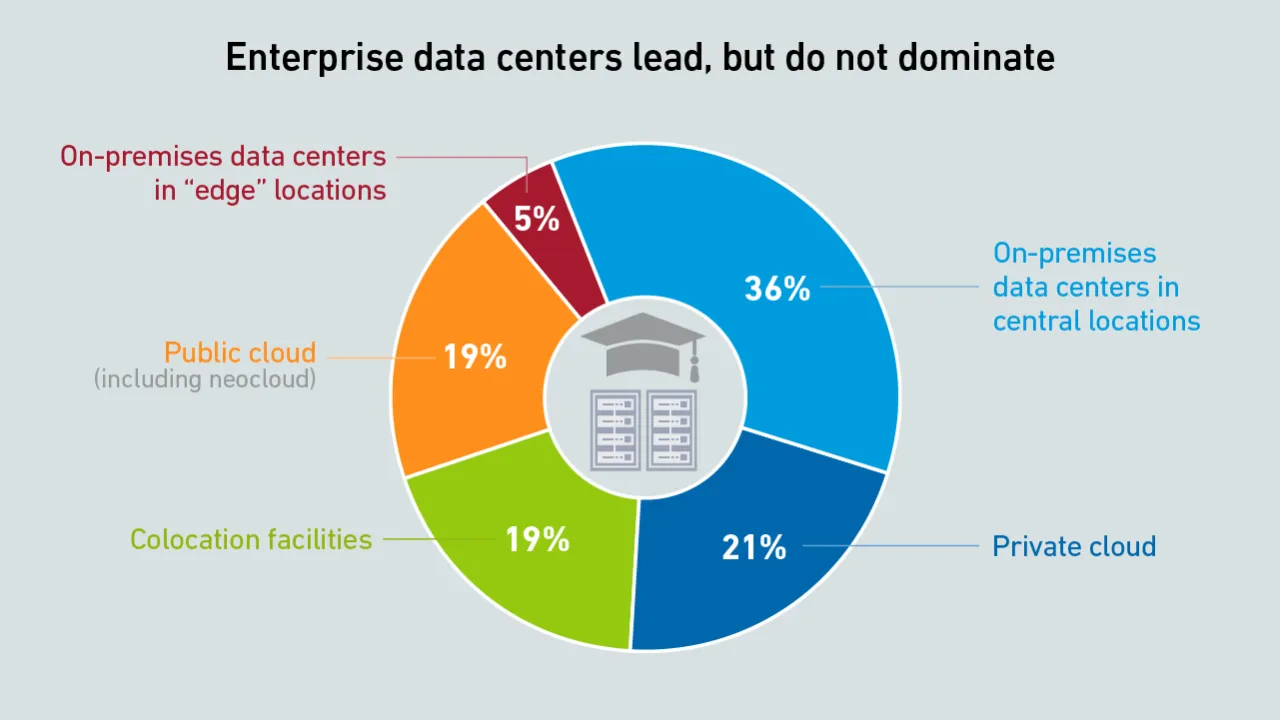
Organizations currently performing AI training and inference leverage resources from a mix of facilities. However, most prioritize on-premises data centers, driven by data sovereignty needs and access to hardware.