Enhanced geothermal systems use advanced drilling and hydrofracturing techniques to access geothermal energy in more locations. Some data centers may use enhanced geothermal energy for on-site, low-carbon power.
The European Commission published the final assessment of the data center label and minimum performance standards (MPS) in October. The final delegated act could require posting a label in 2026 or 2027, with MPS values likely to be 2 years away.
The proposed Scope 2 Guidance updates radically alter current accounting methodologies. These changes will complicate Scope 2 offset markets (e.g., EACs, RECs and GOs), adding unnecessary complexity and resource demands to Scope 2 accounting.
The European Parliament plans to simplify environmental reporting beyond what the Omnibus proposed in early 2025. Under the new reporting thresholds, only the largest 10% of companies would remain subject to CSDDD and CSRD requirements.
China wants to expand its data center capacity, and to achieve net-zero emissions. To this end, the nation is regulating for efficiency and renewable energy, as well as harnessing centralized control, to balance growth with sustainability.
Uptime's 2025 cooling survey found that fewer respondents cited sustainability as a primary driver for direct liquid cooling (DLC). Gradual advancement of DLC plans may be refining operator understanding of its incentives.
The public wants to understand data center resource use and performance metrics. Data center operators need to propose a label format that shares appropriate performance metrics while protecting confidential information.
Currently, the most straightforward way to support DLC loads in many data centers is to use existing air-cooling infrastructure combined with air-cooled CDUs.
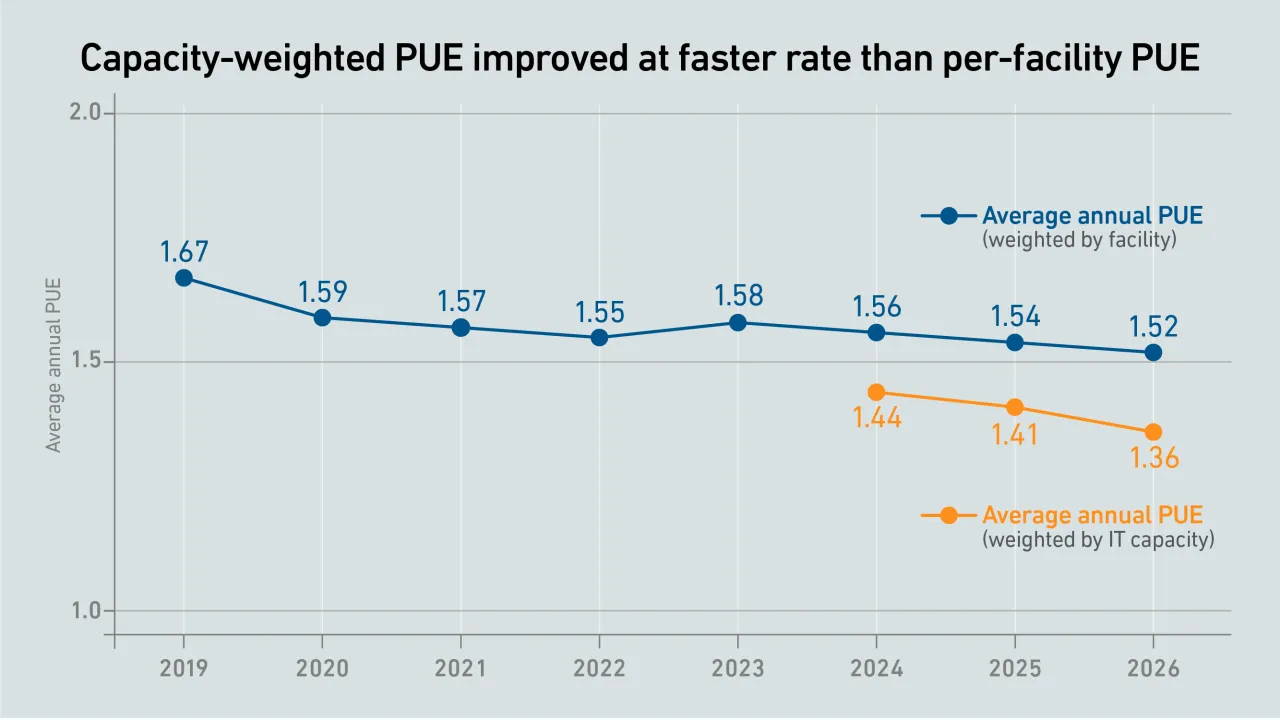
This report analyzes facility-level PUE data from the Global Data Center Survey 2025, highlighting differences by region, facility size and age. It assesses the vulnerability of the industry to PUE minimum performance standards.
Large-scale AI training is an application of supercomputing. Supercomputing experts at the Yotta 2025 conference agree that operators need to optimize AI training efficiency and develop metrics to account for utilized power.
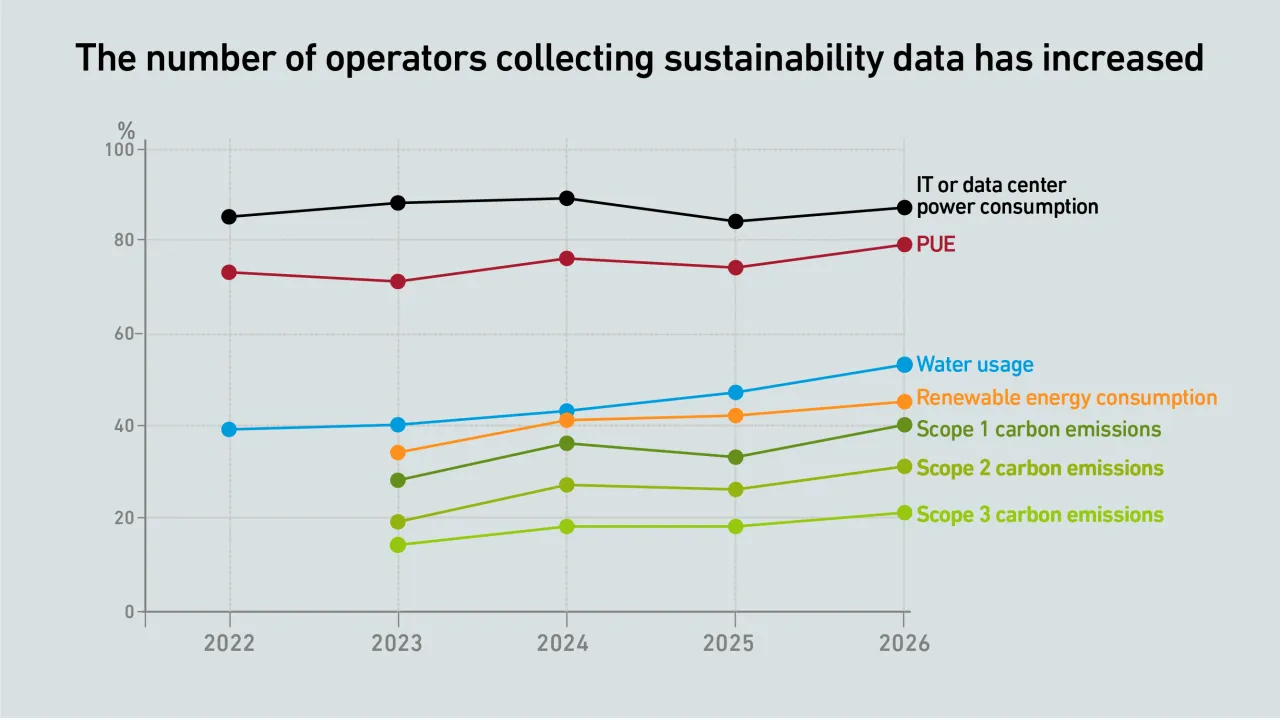
Fewer people in the industry are talking about sustainability. But why has the collection of data also declined, when such data is often required by reporting regimes?
French operators must consider three regulatory sustainability reporting frameworks and a policy for tax incentives. A proposed law will fast-track facilities of national interest, potentially overriding local environmental protections.
Sodium-ion batteries promised a third battery option to lead-acid and lithium-ion batteries. The closure of Natron Energy means operators will need to look elsewhere.
The Netherlands have published the data center EED information and KPI forms for the 2024 operating year. However, the data set from the 104 facilities that reported data has limited value due to incomplete submissions.
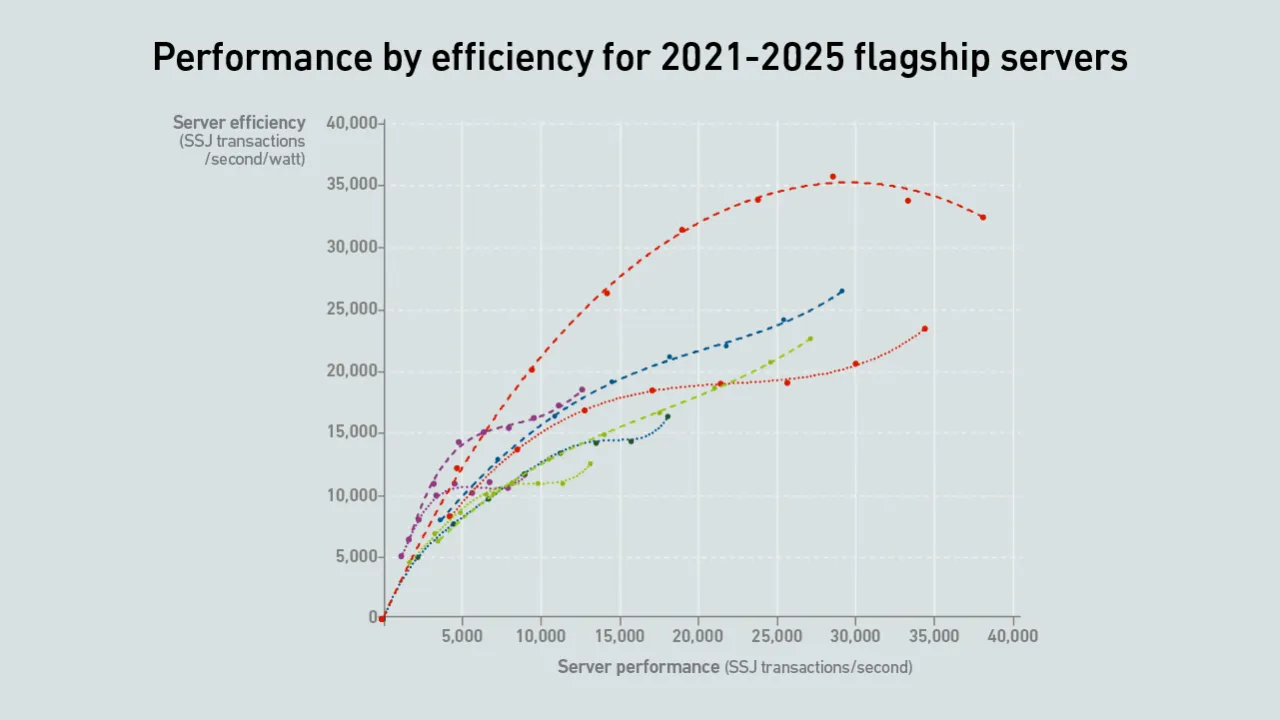
The data center industry will benefit from the race between Intel and AMD for technical supremacy, but the outlook in terms of power efficiency remains challenging.