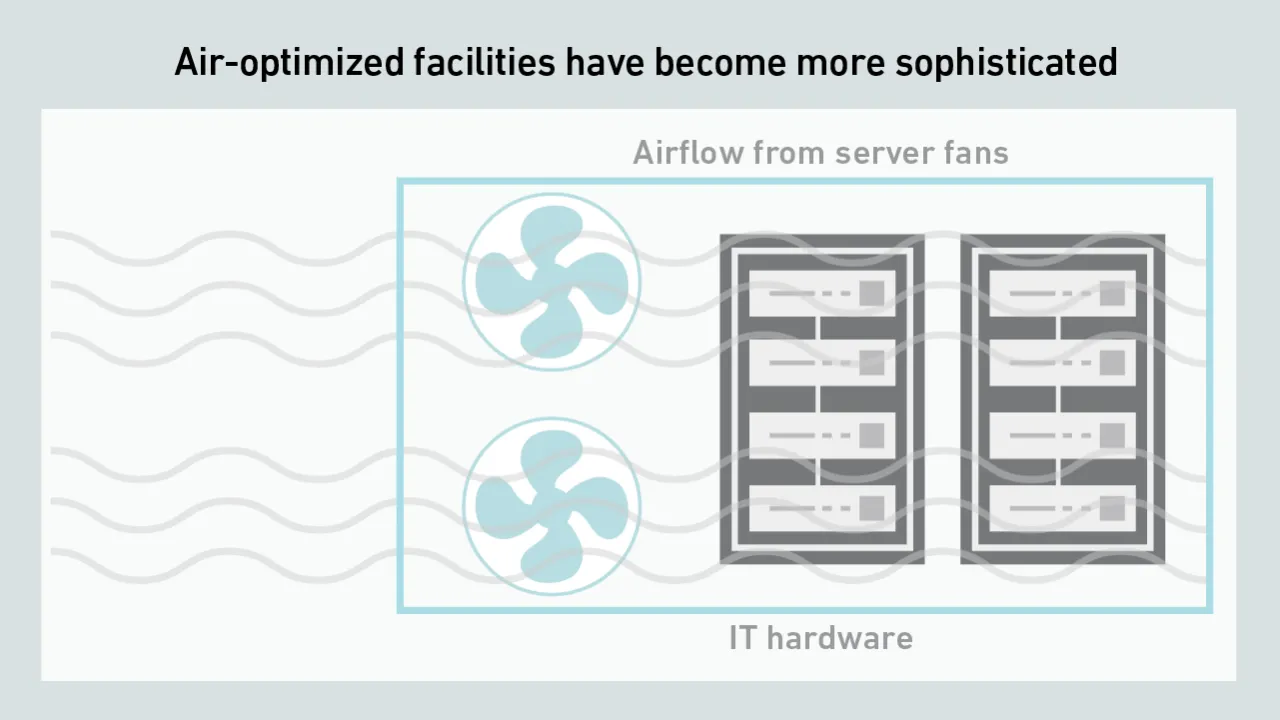
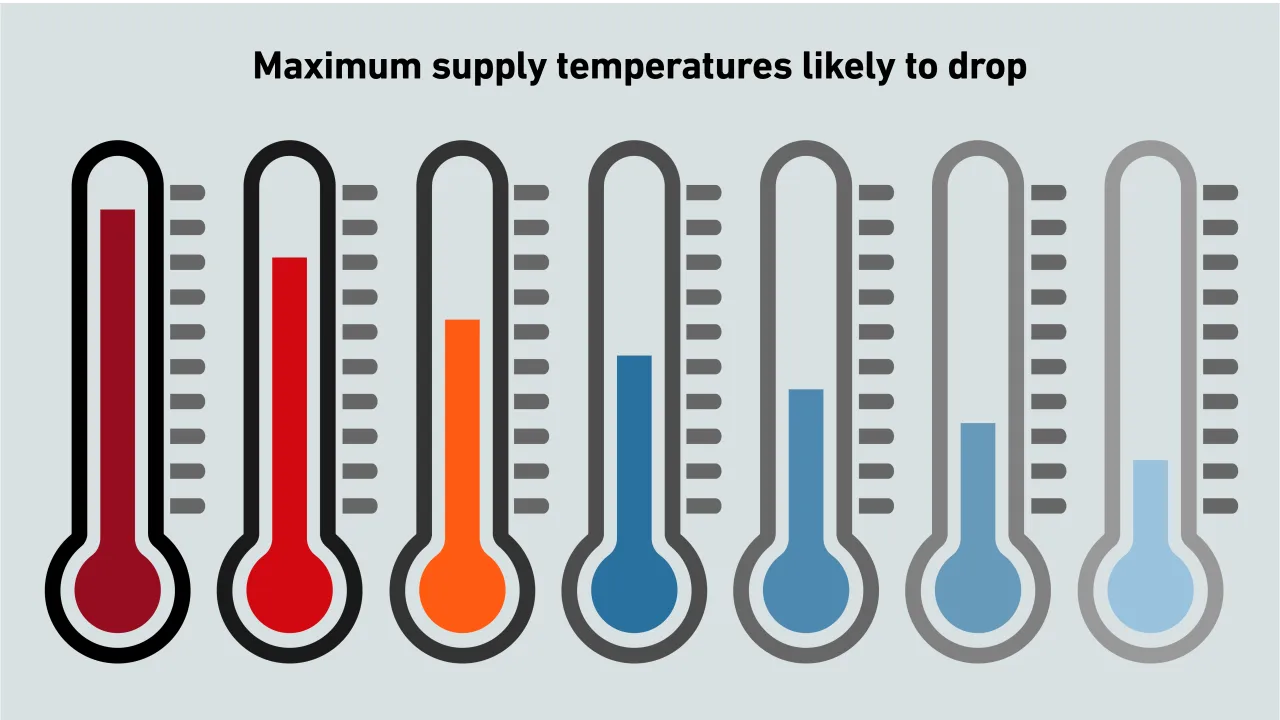
Standard IT hardware was a boon for data centers: for almost two decades, mainstream servers have had relatively constant power and cooling requirements. This technical stability moored the planning and design of facilities (for both new builds and…
A debate has been raging since cloud computing entered the mainstream: which is the cheaper venue for enterprise customers — cloud or on-premises data centers? This debate has proved futile for two reasons. First, the characteristics of any specific…
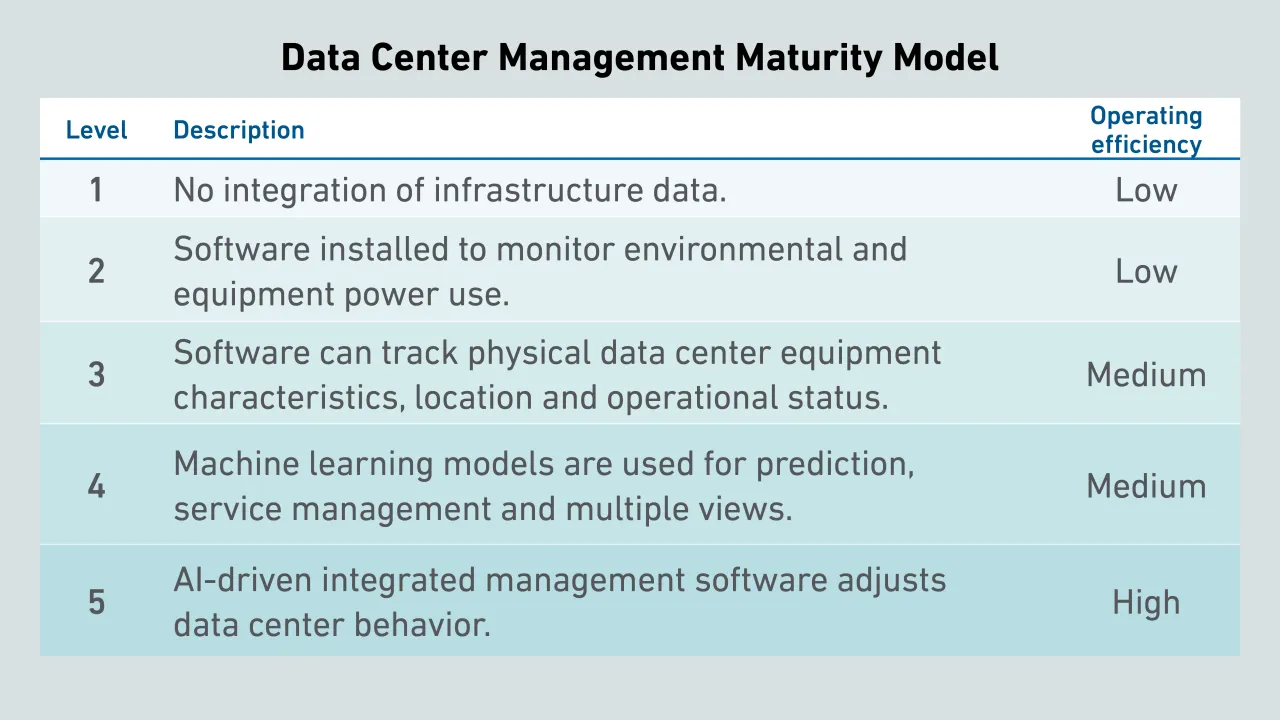
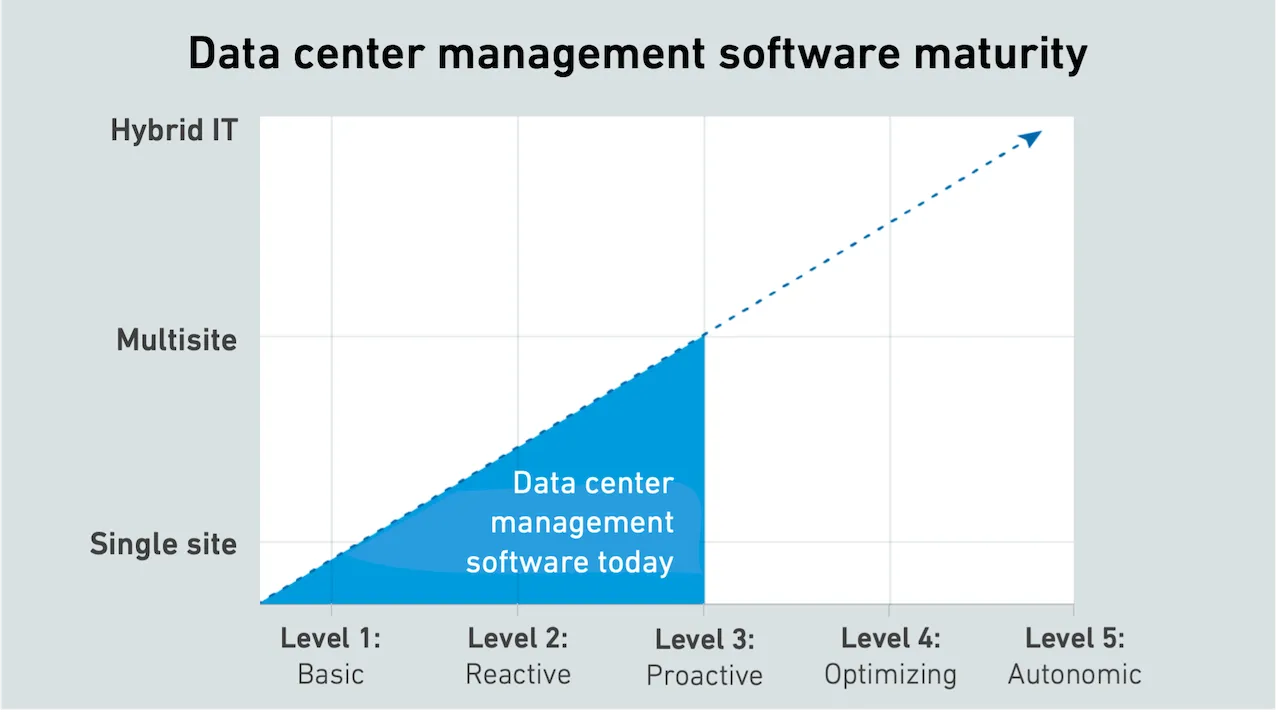
This report examines multiple applications of AI and automation within data center infrastructure management (DCIM) software. Greater automation can result in improved efficiency and free up staff to focus on more complex tasks.
Google was an underdog when it launched its infrastructure cloud in 2013. Amazon had already made a name for itself as a disruptive technology provider, having launched Amazon Web Services (AWS) seven years prior. Microsoft, a household name in…
Cloud providers have experienced unprecedented growth over the past few years. CIOs the world over, often prompted by CFOs and CEOs, have been favoring the cloud over on-premises IT for new and major projects — with the result that the…
Recent geopolitical concerns, predictions of a looming recession, and continued supply chain difficulties are unlikely to dampen growth in digital bandwidth on private networks according to Equinix's 2022 Global Interconnection Index (GXI). Global…
In any market, fewer sellers or providers typically results in less choice for buyers. Where the number of sellers is very low this could, theoretically, lead to exploitation, through higher prices or lower-quality goods and services — with buyers…
Organizations are becoming more confident in using the cloud for mission-critical workloads — partly due to a perception of improved visibility into operational resiliency. But many users aren't taking basic steps to ensure their mission-critical…
The data center industry and other large power-consuming industries continue to feel pressure from skyrocketing electricity prices. In Germany and France, wholesale energy prices this August increased six-fold compared to prices from 2021. The US…
New findings from research by Uptime Institute Intelligence reveals that organizations can cut both their cloud carbon emissions and costs by moving workloads to different regions. However, the trade off with this migration is an increase in latency…
Amazon Web Services (AWS) has made a minor change to its private-cloud appliance, AWS Outposts, that could significantly impact resiliency. The cloud provider has enabled local access to cloud administration, removing the appliance's reliance on the…
When energy costs began to rise steeply in 2021, and precipitously in 2022, it was clear that some digital infrastructure providers would be able to absorb these costs, while others would be forced to pass these costs onto their customers — despite…
A serverless platform is an abstracted cloud computing service that executes a user's code without the user needing to provision the underlying server or operating environment. The physical server, resources and operating environment used…
IT hardware vendors, such as Dell and Hewlett Packard Enterprise (HPE), are pivoting their revenue models away from product sales toward service-based subscriptions. The objective is to make hardware appear more flexible and cloud-like, so buyers…
Quantum computing promises a revolution in scientific discovery. Quantum computing's main advantage over digital computing is in quickly solving highly complex problems that require significant time or resources to process. Currently, solutions to…