Operators and investors are planning to spend hundreds of billions of dollars on supersized sites and vast supporting infrastructures. However, increasing constraints and uncertainties will limit the scale of these build outs.
The cost of low-carbon green hydrogen will be prohibitive for primary power for many years. Some operators may adopt high-carbon (polluting) gray hydrogen ahead of transitioning to green hydrogen
Uptime Intelligence surveys the data center industry landscape to look deeper at what can actually happen in 2025 and beyond based on the latest trends and developments. The stronghold that AI has on the industry is a constant discussion - but how…
This summary of the 2025 predictions highlights the growing concerns and opportunities around AI for data centers.
Dedicated GPU infrastructure can beat the public cloud on cost. Companies considering purchasing an AI cluster need to consider utilization as the key variable in their calculations.
Uptime Intelligence looks beyond the more obvious trends of 2025 and examines some of the latest developments and challenges shaping the data center industry.
As a quick reference, we have provided links below to all the research reports published by Uptime Intelligence in 2024, by month. Research areas focused on 1) power generation, distribution, energy storage; 2) data center management software; 3)…
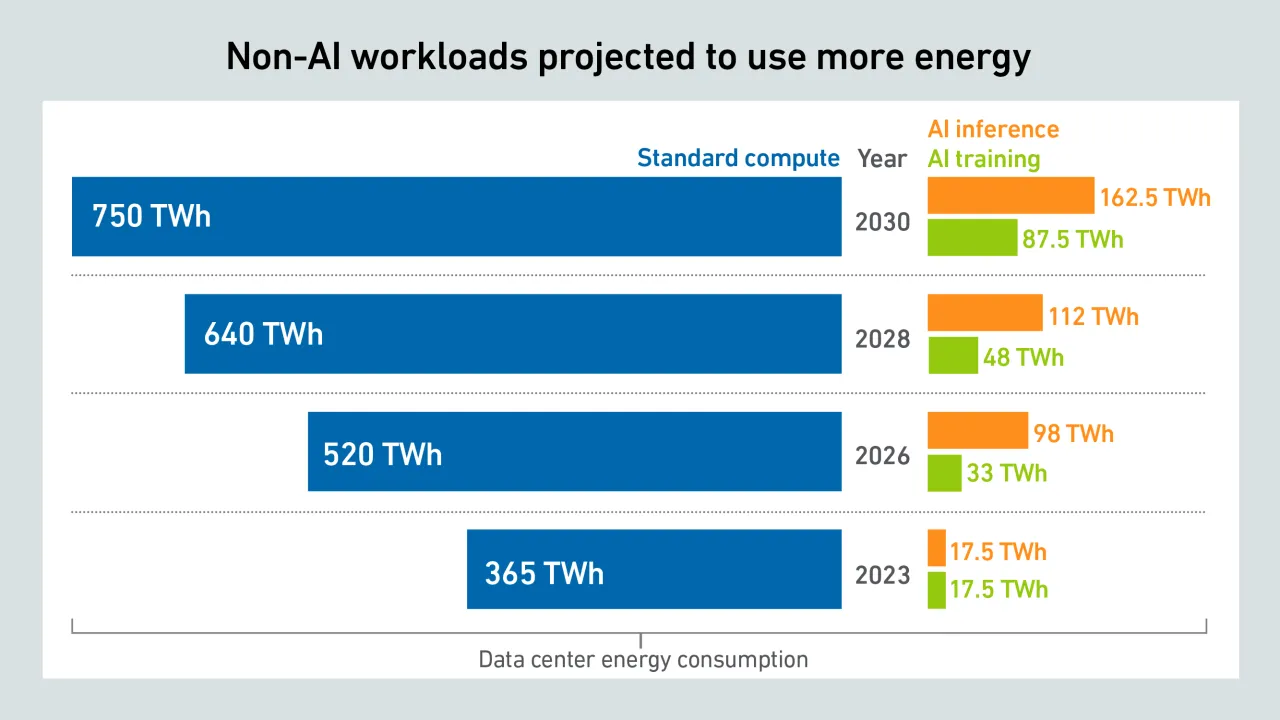
As AI supercharges the growth in data center energy demands, new developments are likely to be increasingly politicized. Central governments may support their expansion, but opposition from local authorities and environmentalists will grow.
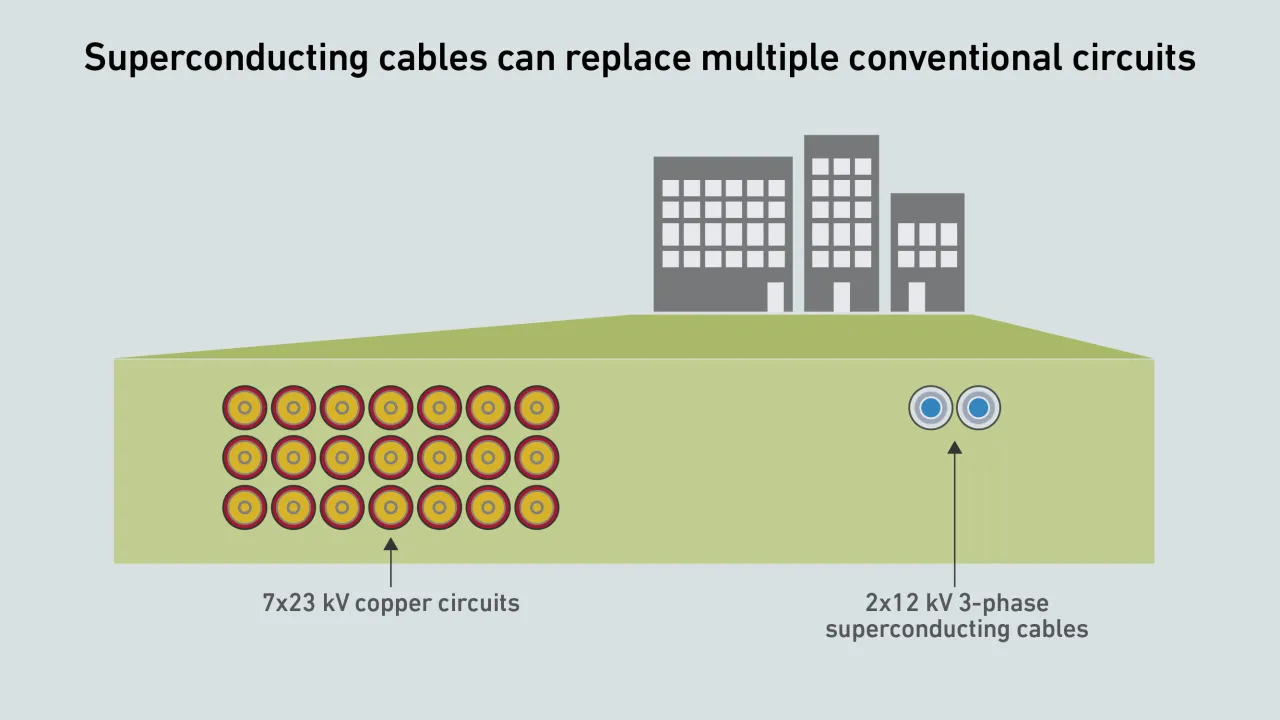
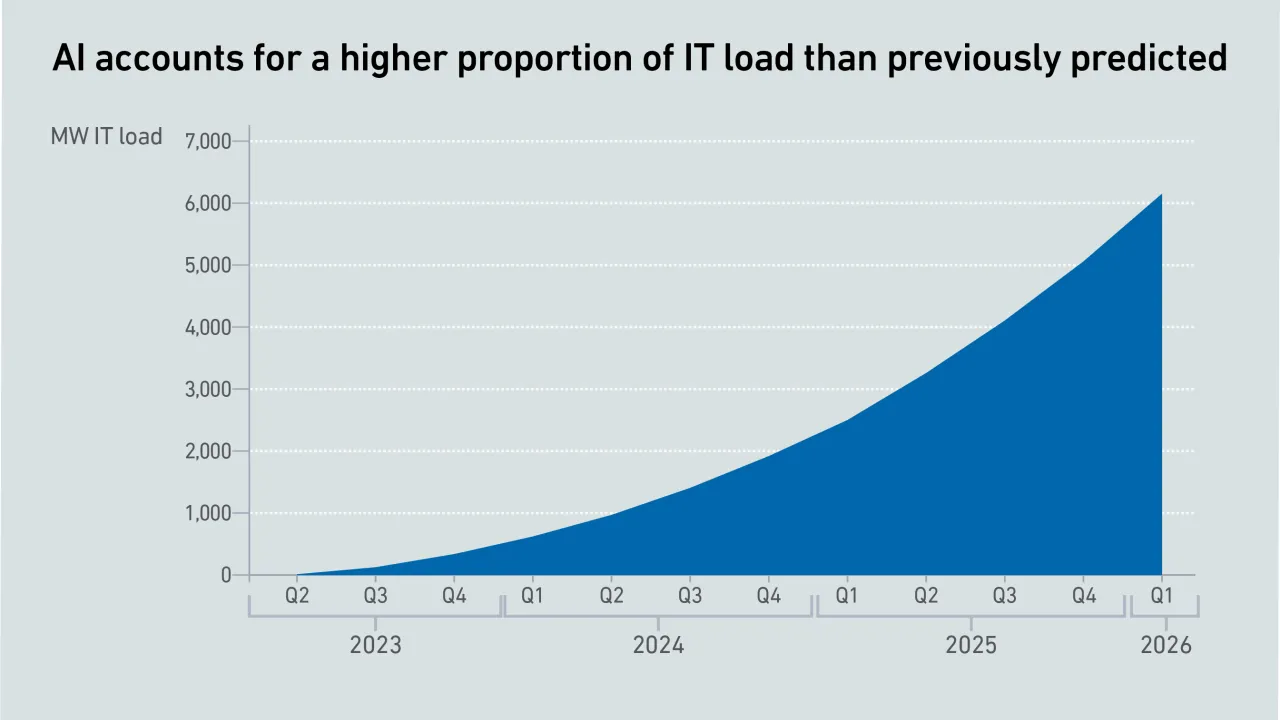
Supersized generative AI models are placing onerous demands on both IT and facilities infrastructure. The challenge for next-generation AI infrastructure will be power, forcing operators to explore new electrification architectures.
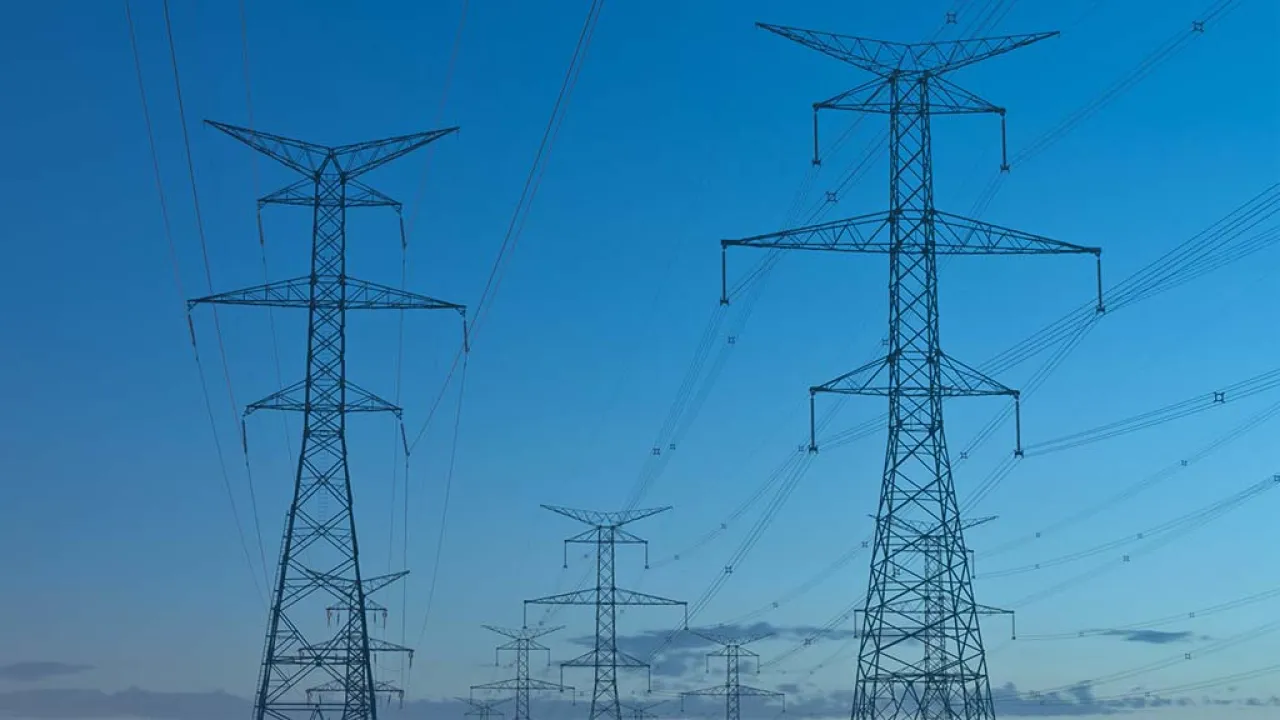
Power grids are under stress, struggling to meet future demand and increasingly prone to outages. More utilities will expect data centers to contribute power - and be more flexible in their use of power.
Hydrogen from renewable sources is in short supply. While future plentiful supplies are planned, currently only a very small number of data centers are using hydrogen for standby power.
Powerful solar storms have already brought warnings of disruption to electricity grids and their customers twice in 2024 - and the Sun's activity has yet to peak. Why do data centers and power utilities appear to have escaped unscathed?
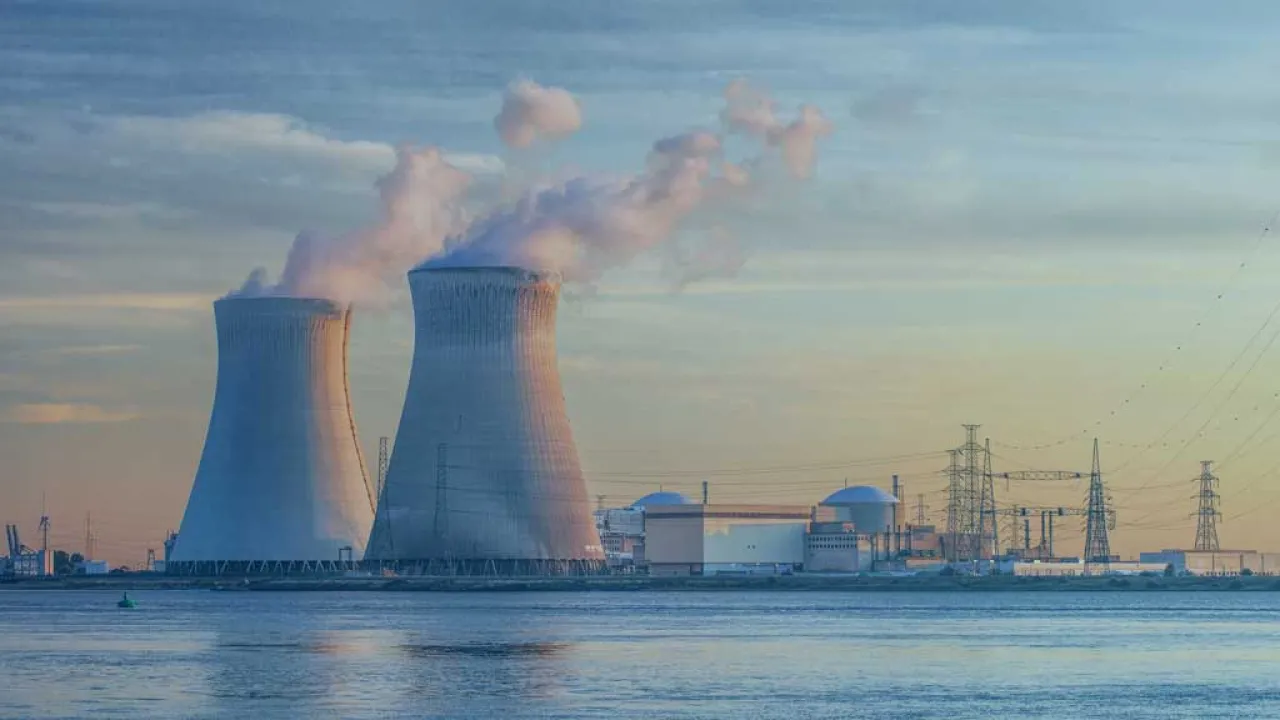
Some operators are using natural gas for on-site power where the local grid is constrained. This will increase their emissions - but gas is essential in the transition to renewable energy and operators' use of it is best seen in this light.
AI training clusters can show rapid and large swings in power consumption. This behavior is likely driven by a combination of properties of both modern compute silicon and AI training software - and may be difficult to manage at scale.
Generative AI models brought about an influx of high-density cabinets. There has been much focus on how to best manage thermal issues, but the weight of power distribution equipment is a potentially overlooked concern.