The US government is applying a new set of rules to control the building of large AI clusters around the world. The application of these rules will be complex.

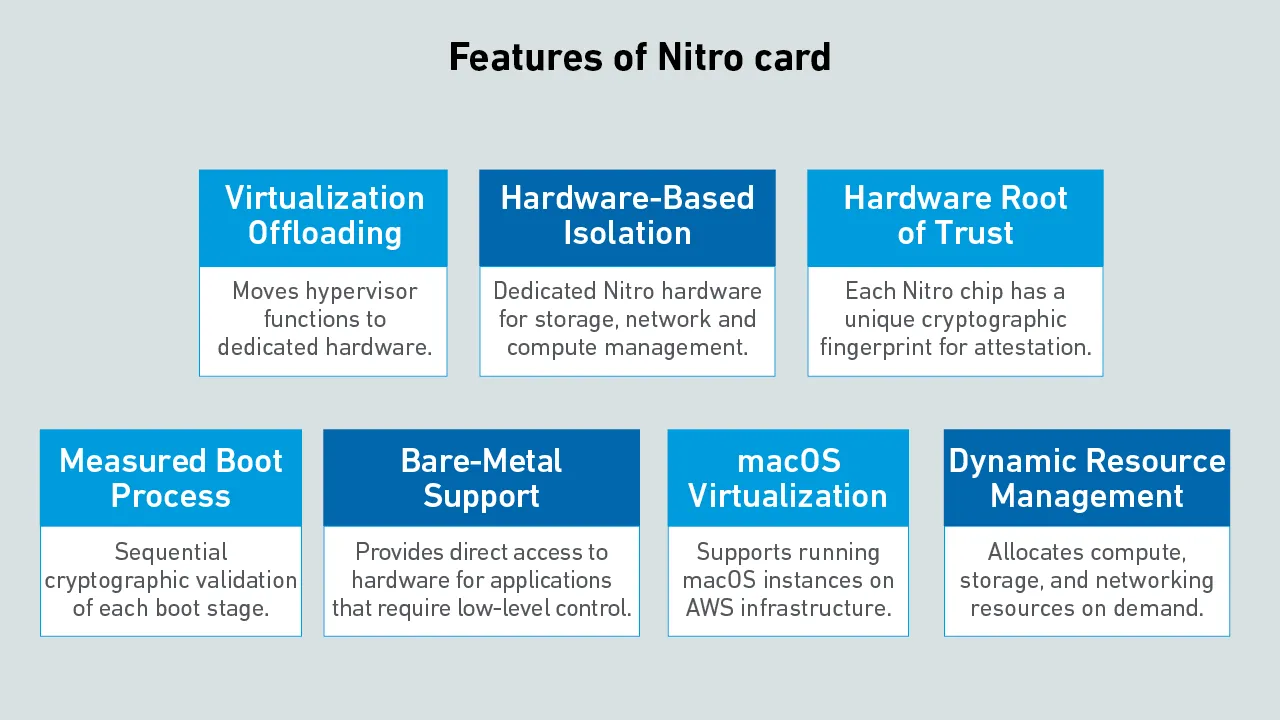
Hyperscalers design their own servers and silicon to scale colossal server estates effectively. AWS uses a system called Nitro to offload virtualization, networking and storage management from the server processor onto a custom chip.
This summary of the 2025 predictions highlights the growing concerns and opportunities around AI for data centers.
Power and cooling requirements for generative AI training are upending data center design and accelerating liquid cooling adoption. Mainstream business IT will not follow until resiliency and operational concerns are addressed.
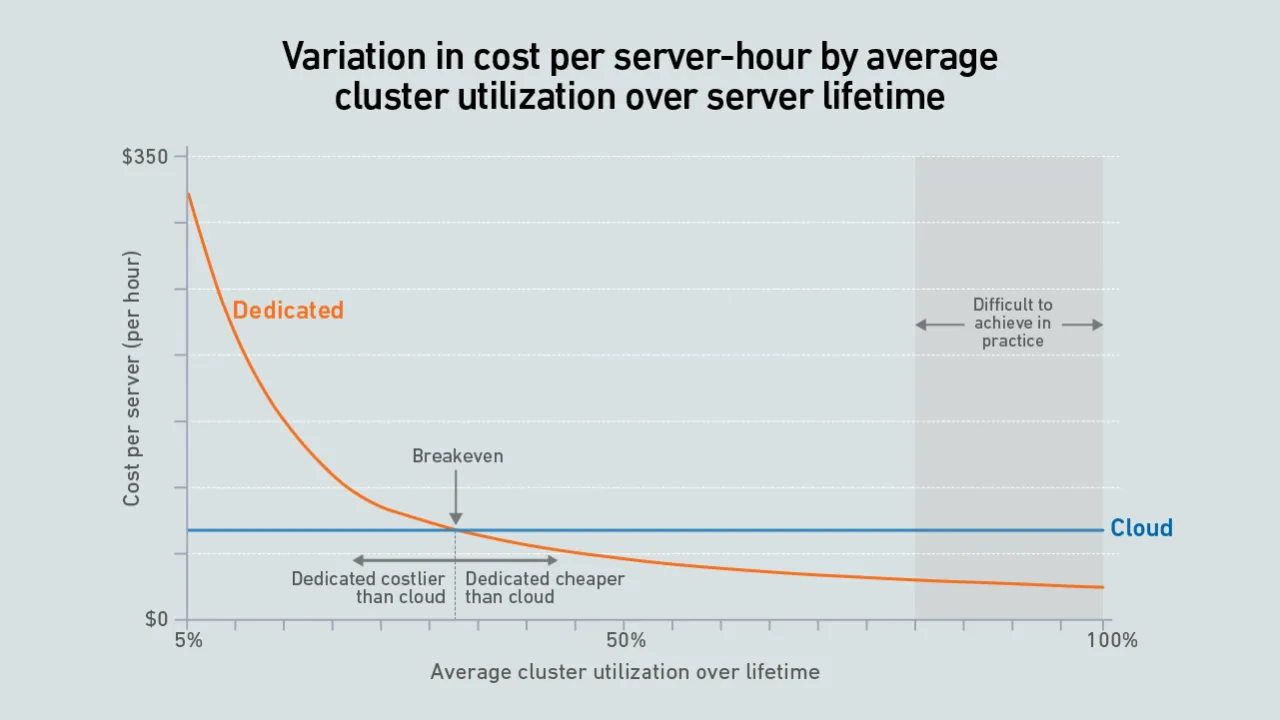
Dedicated GPU infrastructure can beat the public cloud on cost. Companies considering purchasing an AI cluster need to consider utilization as the key variable in their calculations.
Uptime Intelligence looks beyond the more obvious trends of 2025 and examines some of the latest developments and challenges shaping the data center industry.
Supersized generative AI models are placing onerous demands on both IT and facilities infrastructure. The challenge for next-generation AI infrastructure will be power, forcing operators to explore new electrification architectures.
Nvidia's dominant position in the AI hardware market may be steering data center design in the wrong direction. This dominance will be harder to sustain as enterprises begin to understand AI and opt for cheaper, simpler hardware.
The cost and complexity of deploying large-scale GPU clusters for generative AI training will drive many enterprises to the public cloud. Most enterprises will use pre-trained foundation models, to reduce computational overheads.
Enterprises have much enthusiasm for AI, interviews and workshops by Uptime Intelligence suggest, but this is tempered by caution. Most hope to avoid disruptive, expensive or careless investments.
Enterprises have various options on how and where to deploy their AI training and inference workloads. This report explains how these different options balance cost, complexity and customization.
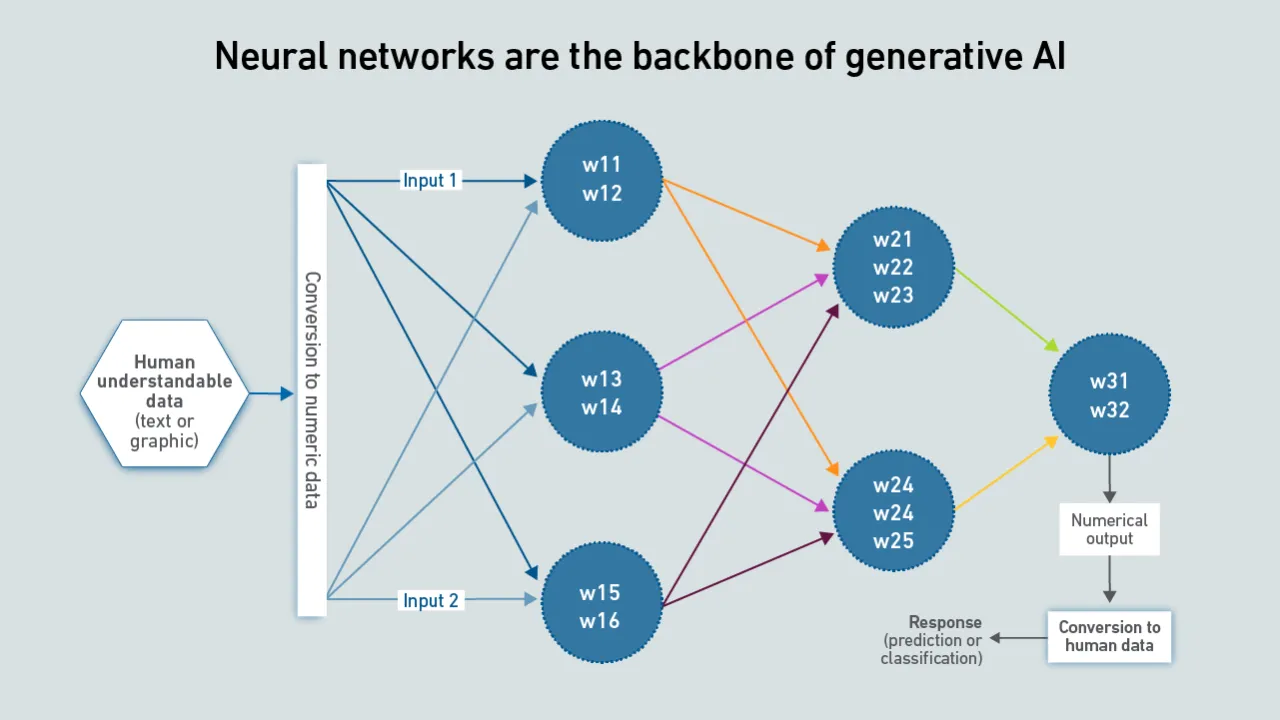
While GPUs are the power-hungry devices that enable effective AI training, it is innovations in software that are fueling the recent surge in interest and investment. This report explains how neural networks power generative AI.
AI training clusters can show rapid and large swings in power consumption. This behavior is likely driven by a combination of properties of both modern compute silicon and AI training software - and may be difficult to manage at scale.
Generative AI models brought about an influx of high-density cabinets. There has been much focus on how to best manage thermal issues, but the weight of power distribution equipment is a potentially overlooked concern.
Most operators will be familiar with the outrageous power and cooling demands of hardware for generative AI. Why are these systems so difficult to accommodate, and what does this mean for the future of data center design?