In 2026, enterprises will be more realistic about their use of generative AI, prioritizing simple use cases that deliver clear, timely value over those more innovative projects where returns — and successful outcomes — are less assured.
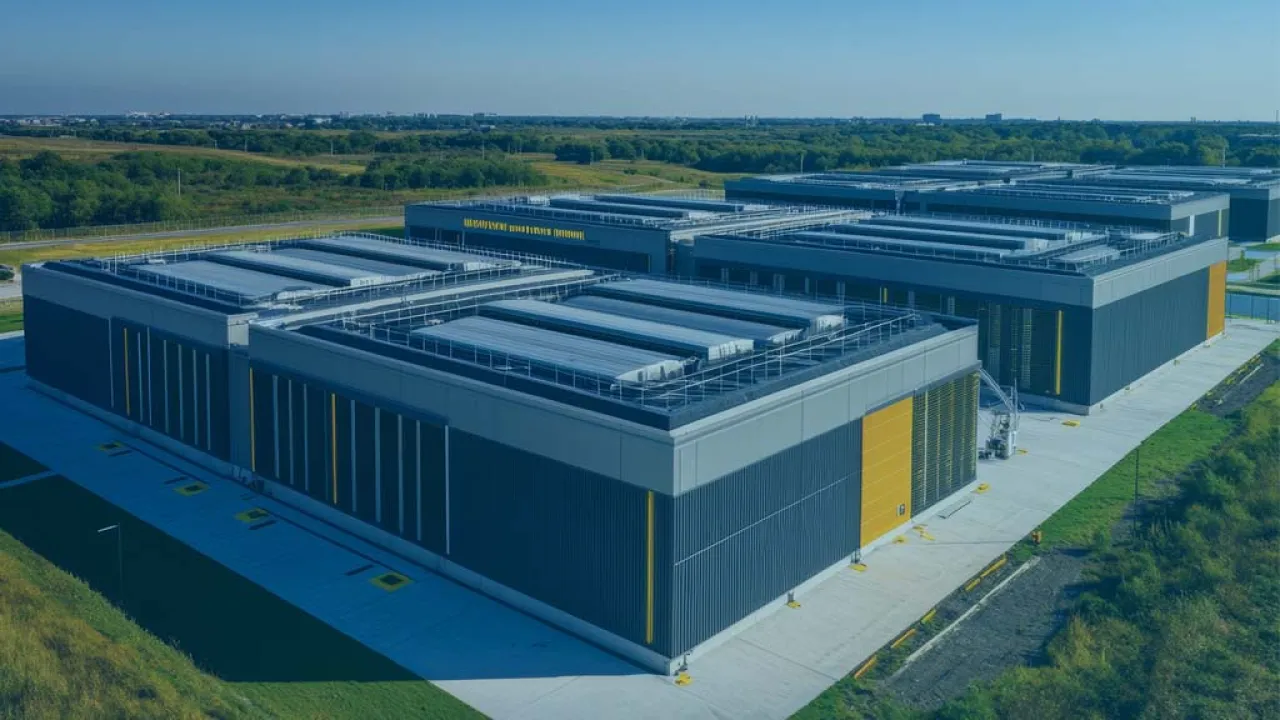
AI workloads are driving a fundamental shift in data center design and operations. Higher power densities, new cooling paradigms (direct liquid cooling and immersion), more aggressive serviceability requirements, and a rapidly evolving vendor and…
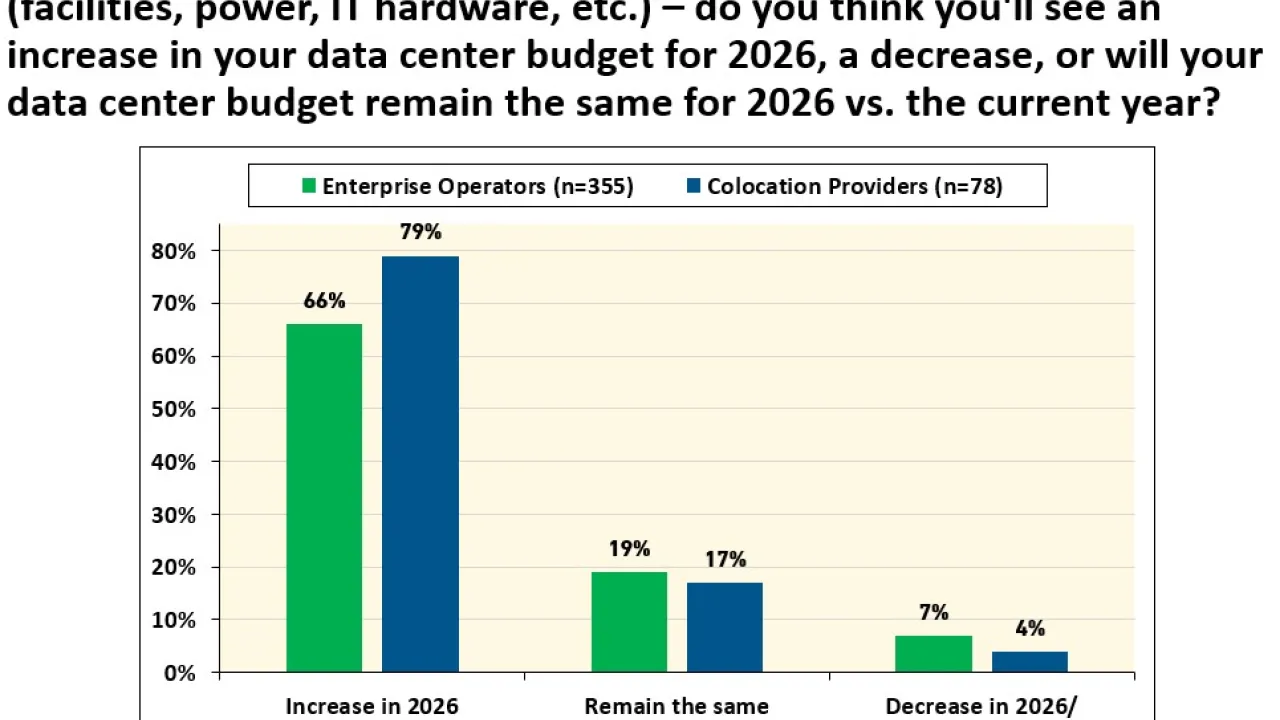
Uptime Institute's latest Data Center Spending Survey (n=850) looks ahead to data center spending and budgets for 2026, as well as the current supply chain market in the industry.The attached data files below provide full results of the survey,…
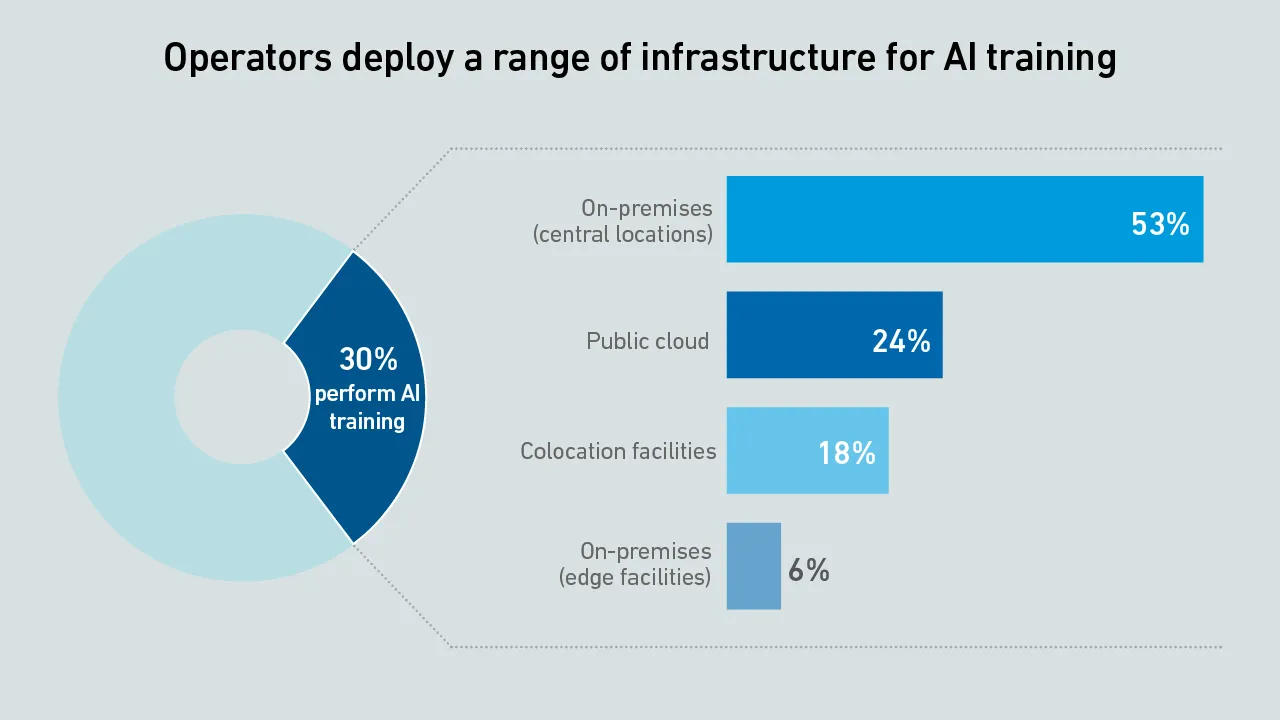
AI training can strain power distribution systems and shorten hardware life - especially in data centers not built for dynamic workloads. Many operators may be underestimating these risks during design and capacity planning.
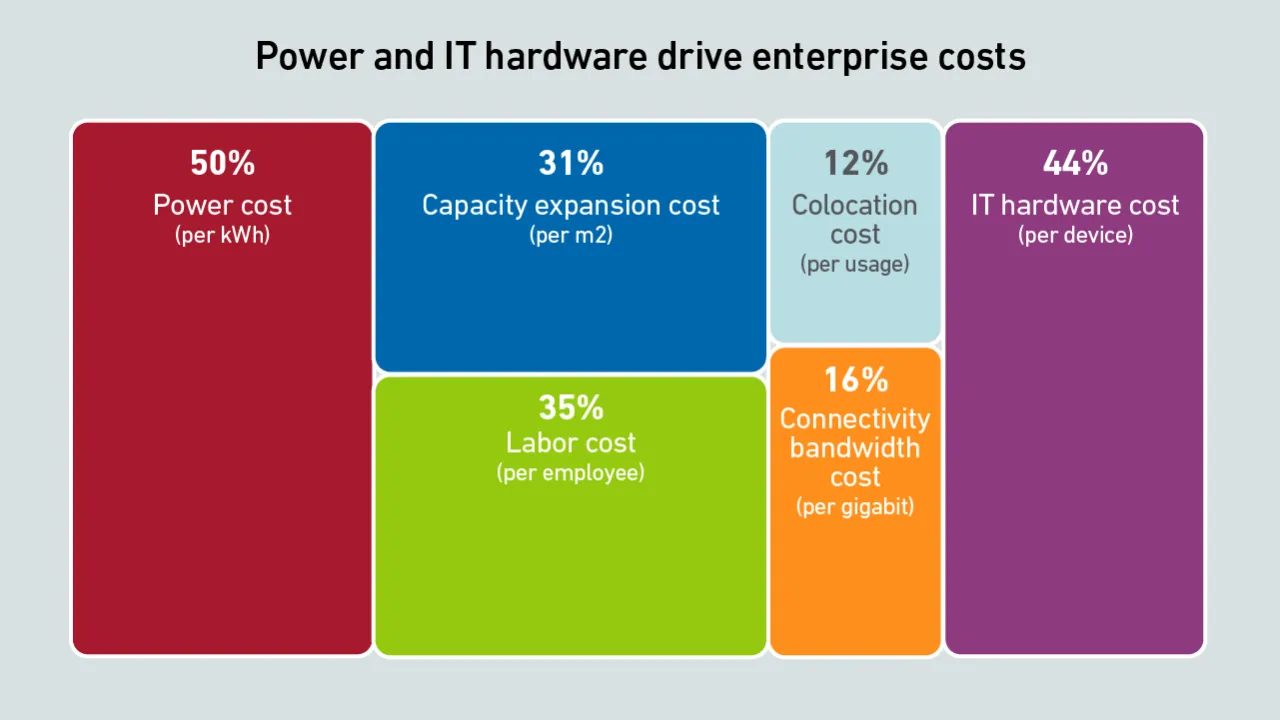
Power remains the top spending priority for most operators in 2025, but enterprises are set to increase IT hardware spending.
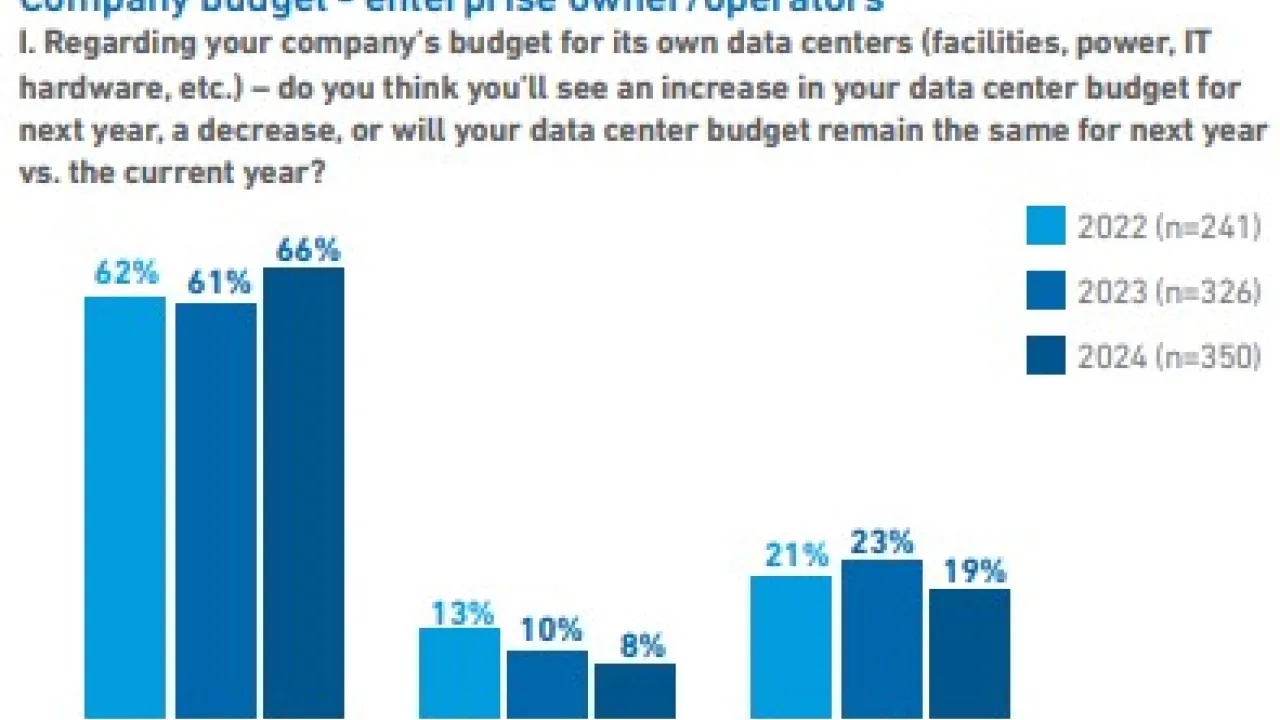
Uptime Institute's 2024 Data Center and IT Spending and Supply Chain Survey (n=878) focuses on data center spending and budgets, as well as plans going forward and data center supply chains.The attached data files below provide full results of the…
While the aim of FinOps is to manage just the cloud costs, technology business management seeks to aggregate all costs of IT, including data centers, servers, software and labor, to identify savings and manage return on investment.
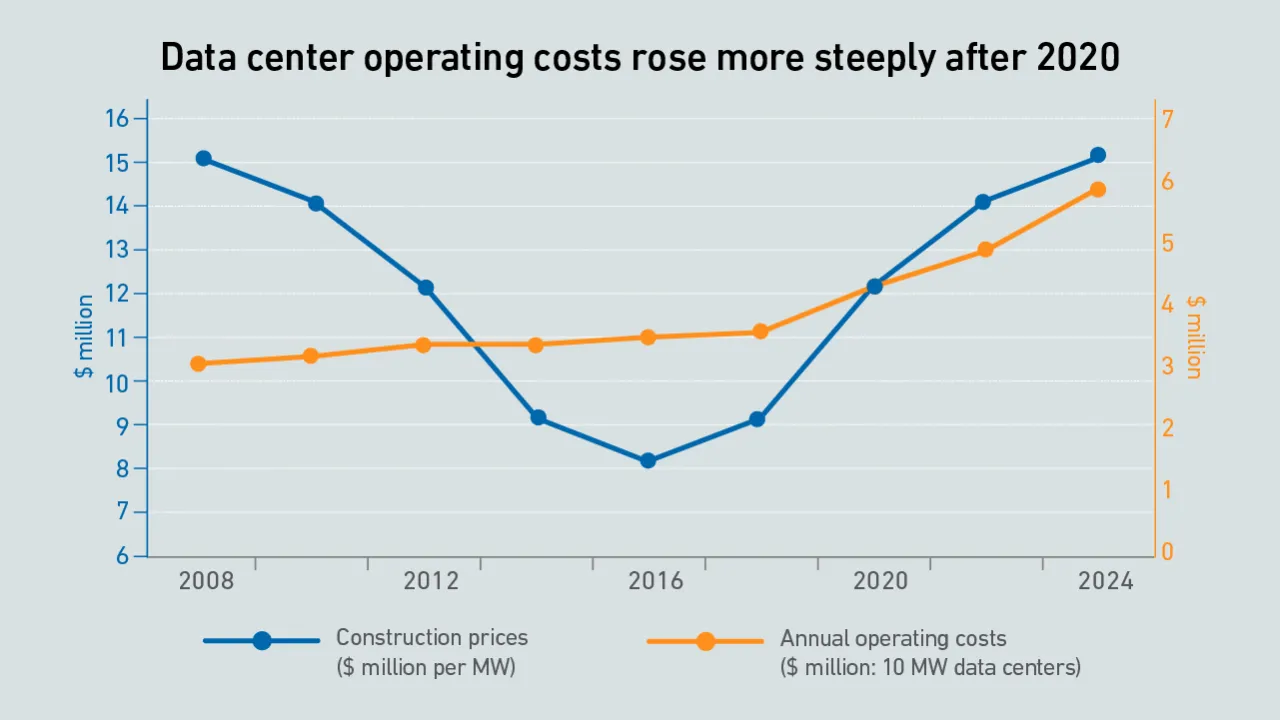
Data center operating and capital costs have been rising strongly in recent years - and will almost certainly continue to do so. Sooner or later, those in the IT supply chain will need to deliver their backers a return on investment.
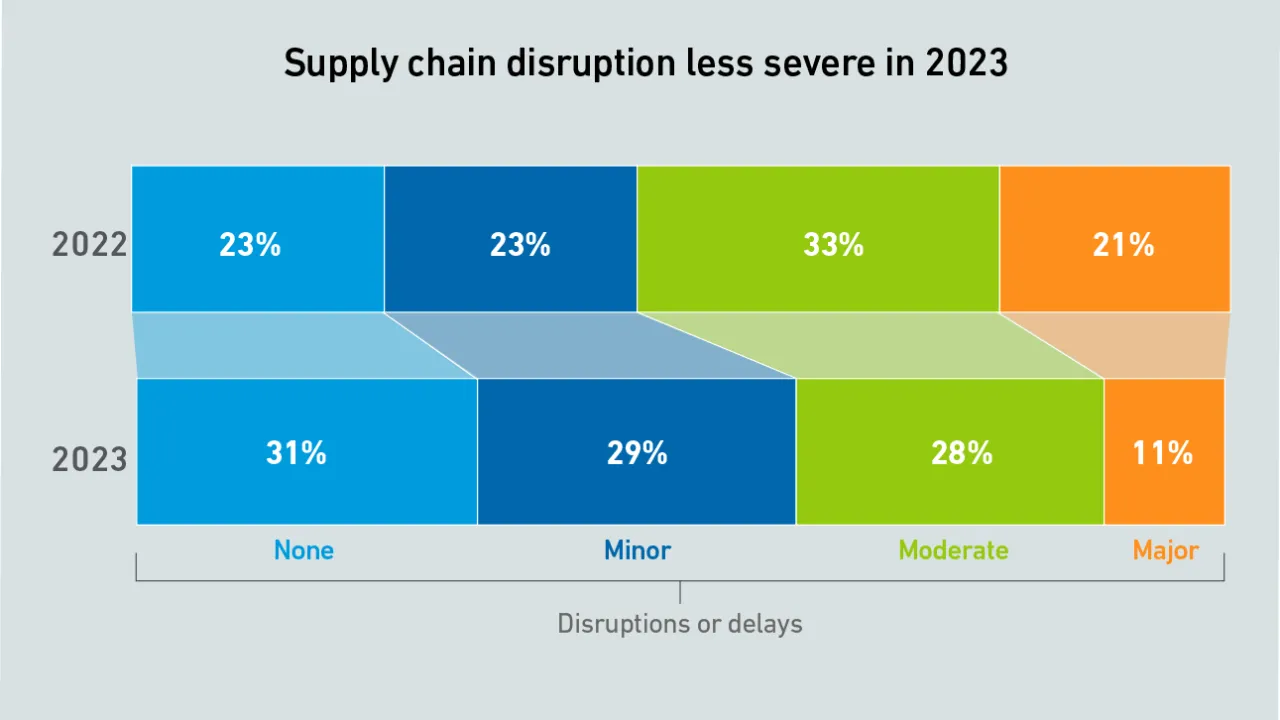
Results from the Uptime Institute Supply Chain Survey 2023 reveal that data center owners and operators are continuing to suffer supply chain delays, but these appear to be less frequent and severe than in 2022.
Data center capacities are expanding rapidly, and organizations are increasingly using hybrid IT to meet rising demand. However, the growing complexity of IT environments is exposing limitations to current approaches.
Large colocation and public cloud companies have been growing strongly and very publicly, but enterprises continue to add data center capacity too, Uptime Intelligence data shows.
This report explains the nuances of using energy consumption, energy attribute certificates and emissions factor data to calculate the use of renewable energy and carbon-free energy, and a Scope 1 and 2 emissions inventory.
Gigantic "gigawatt" data center campuses are being proposed or planned in many locations around the world. They could change the digital infrastructure landscape, but many questions - including how many will be built - remain.
Reserved instances are a pricing model for virtual machines offered by cloud providers. As they offer savings of up to 70% compared with on-demand pricing, organizations should use them liberally, especially in challenging times.
As part of the Uptime Institute Global Data Center Survey 2023, data center equipment vendors and consultants were asked about customer spending, supply chains and DCIM adoption. This report highlights the key findings.