In the recent report Moving AI inference can cut carbon at little extra cost, Uptime Intelligence examines how the location of AI inference affects its cost and carbon footprint.The report shows that, for the same infrastructure, changing the…

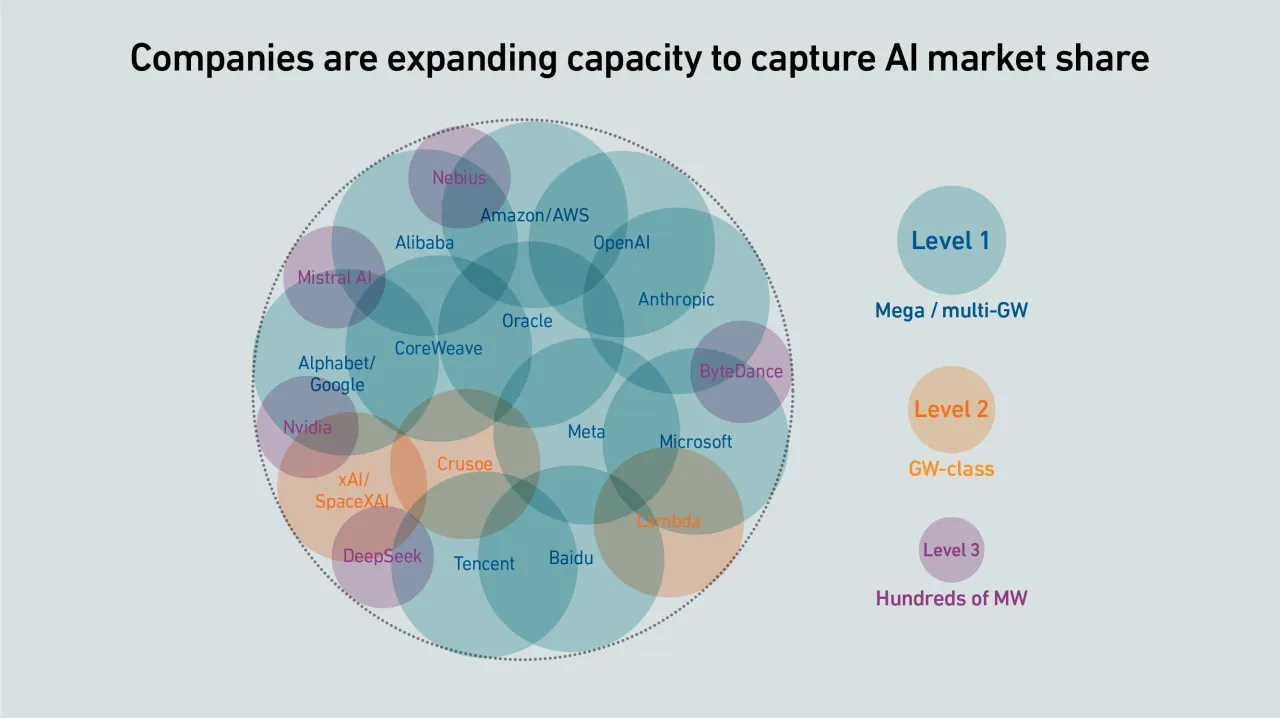
Global data center energy use will more than double by 2030, but announced capacity is not a reliable guide to future growth. Power constraints, commercial realities and inference efficiency will shape how much capacity is ultimately built.
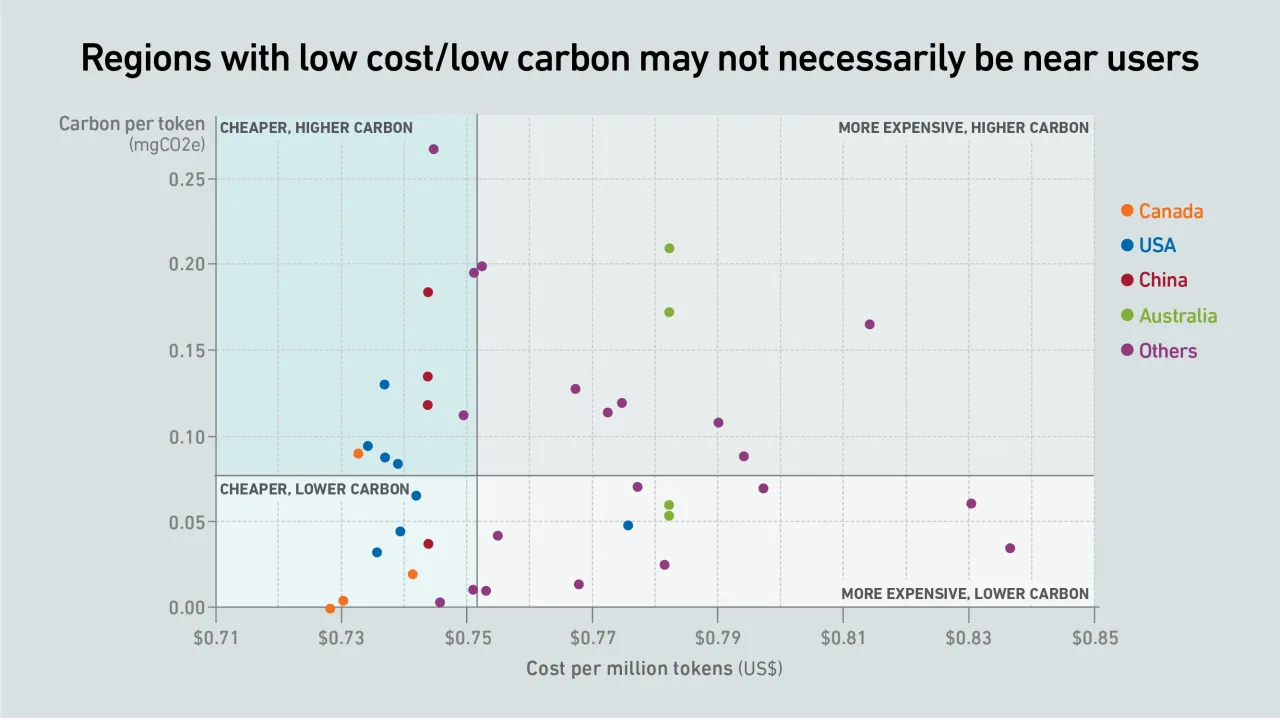
Location changes the carbon of AI inference by hundreds of times but its cost varies by only about 15%. Where latency and sovereignty allow, siting workloads on cleaner grids can cut emissions at little or no additional cost.
Neoclouds continue to serve as shock absorbers for the AI infrastructure buildout, now more than ever. But Nvidia, lenders and customers have taken on more risk too — if demand falls, losses may no longer stop at the neoclouds.
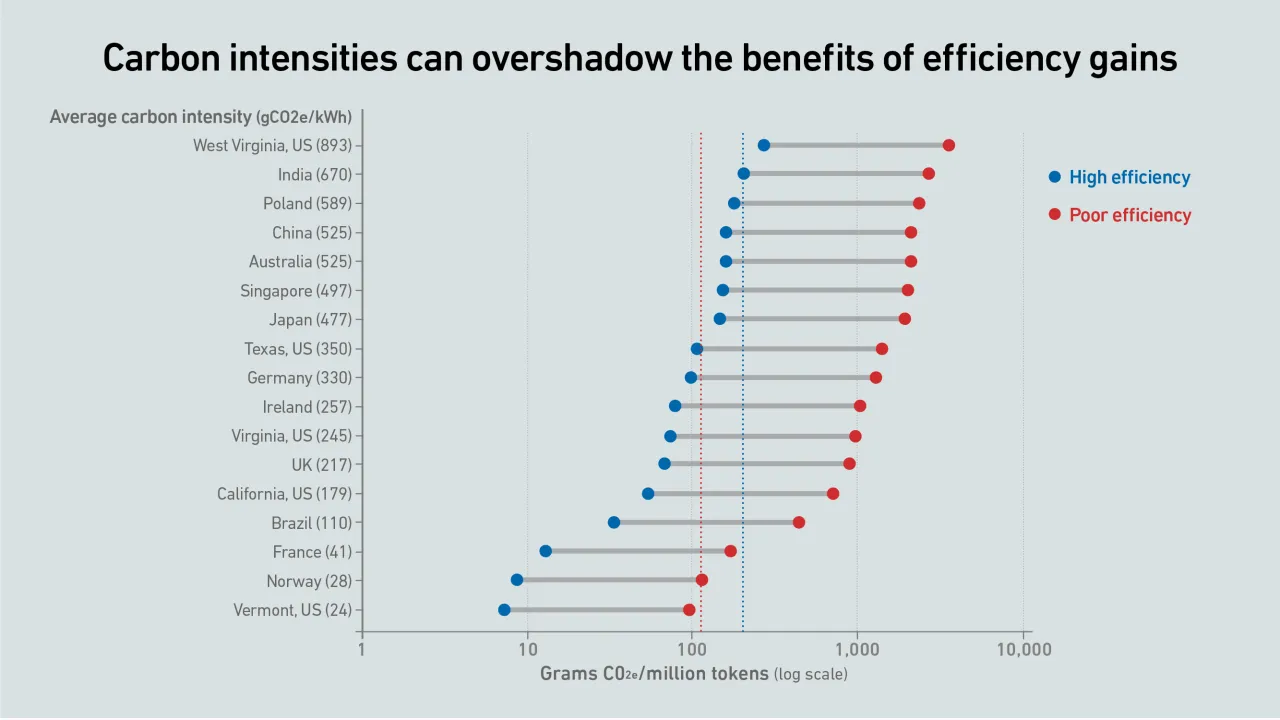
A highly efficient AI deployment can still produce more carbon than an inefficient one if it runs on more carbon-intensive electricity. Cutting emissions means tackling energy per token and grid carbon intensity separately.
While AI headlines focus on training massive models, enterprises face a different challenge: where to run inference. Uptime Intelligence explores the economics, deployment options, and growing trend toward distributed AI infrastructure.
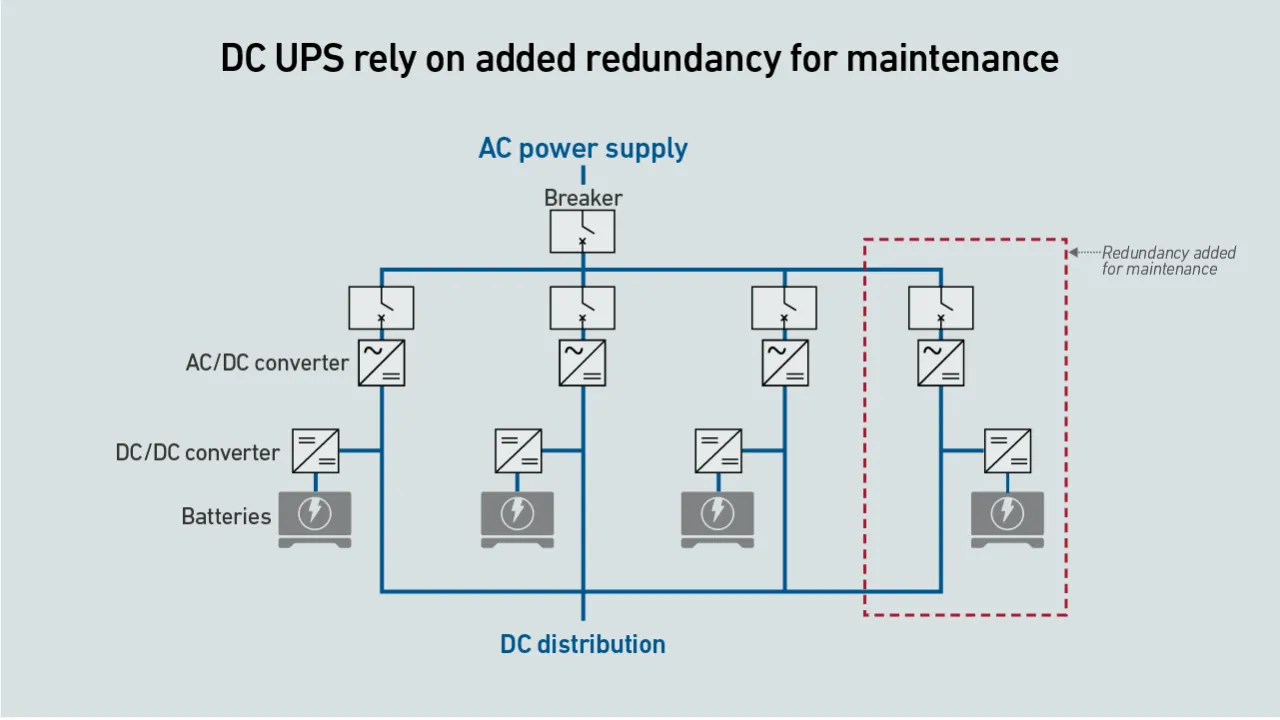
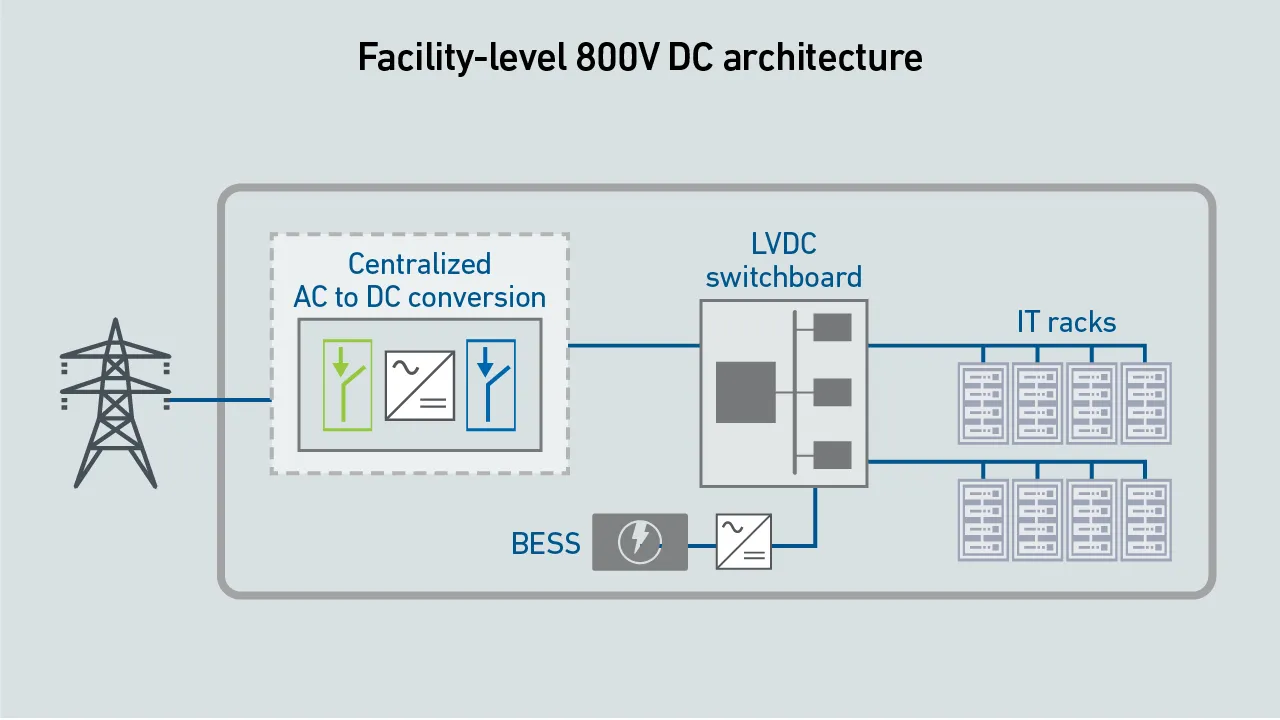
As AI rack power reaches hundreds of kilowatts, interest in DC power is growing. While DC can offer efficiency gains and a reduced footprint, it also introduces new challenges in protection, fault detection, grounding and worker safety.
Arc flash risks in data centers using 800V DC strongly depend on architecture — a research paper warns operators that they will need to update arc flash safety procedures to handle DC systems.
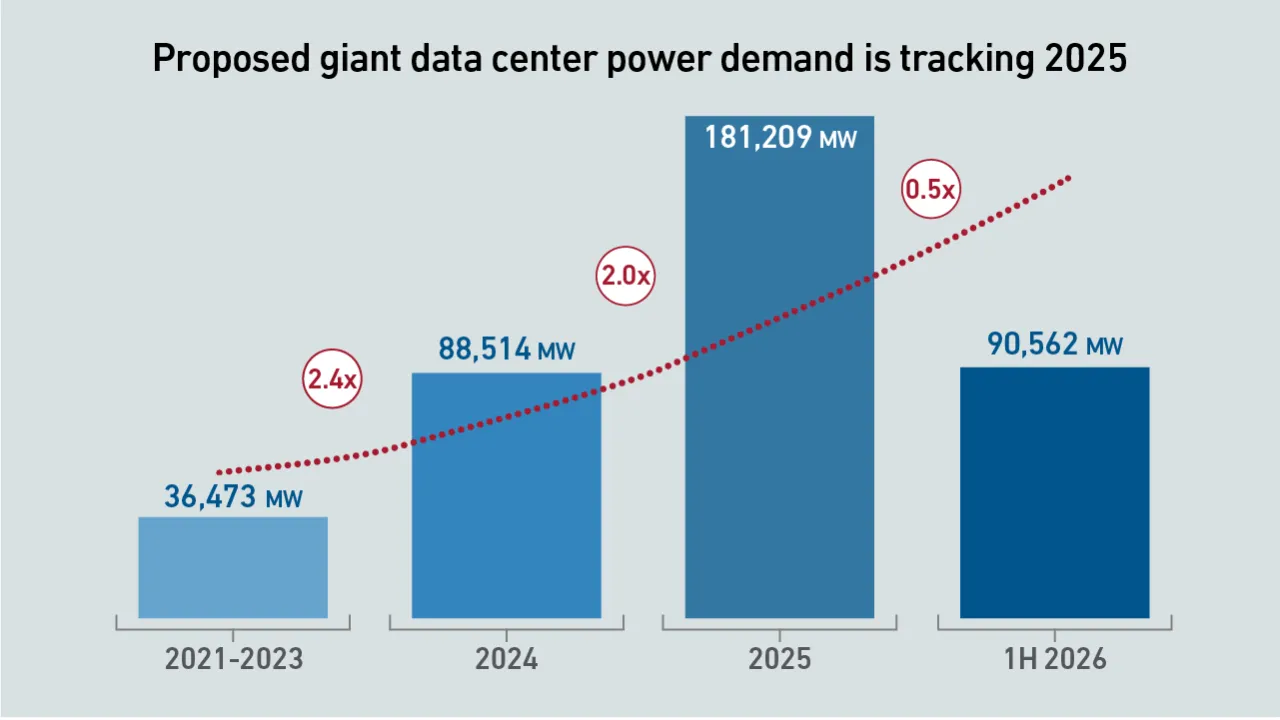
Giant data center power capacity and investment are at unprecedented levels, with power proposed in the first half of 2026 tracking at 2025 levels.
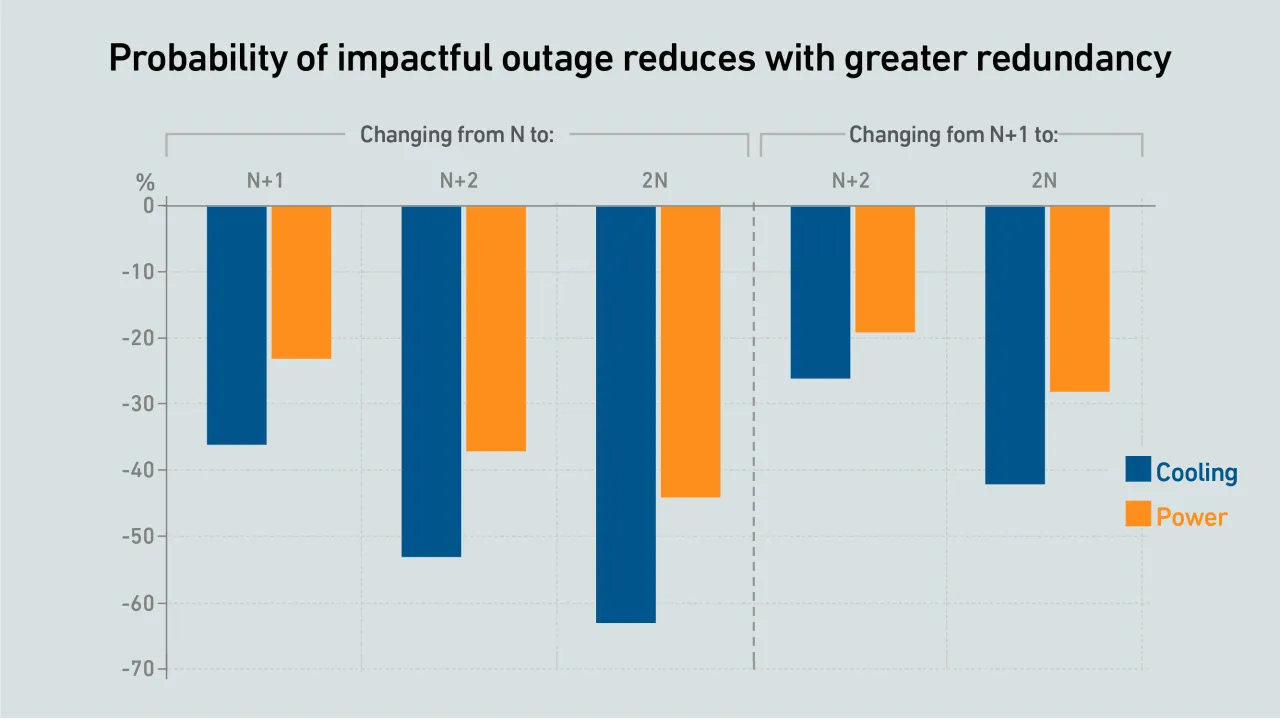
Redundant power and cooling equipment is expected to reduce outages — but by how much? Survey data shows that operators using 2N configurations were up to 64% less likely to report an outage than those using N.
AI data center projects often run into delays when developers encounter unfamiliar technologies and unexpected technical challenges. Taking a structured, methodical approach can help keep projects on track.
Meta's decision to give away its latest large language model challenges the narrative around AI infrastructure.
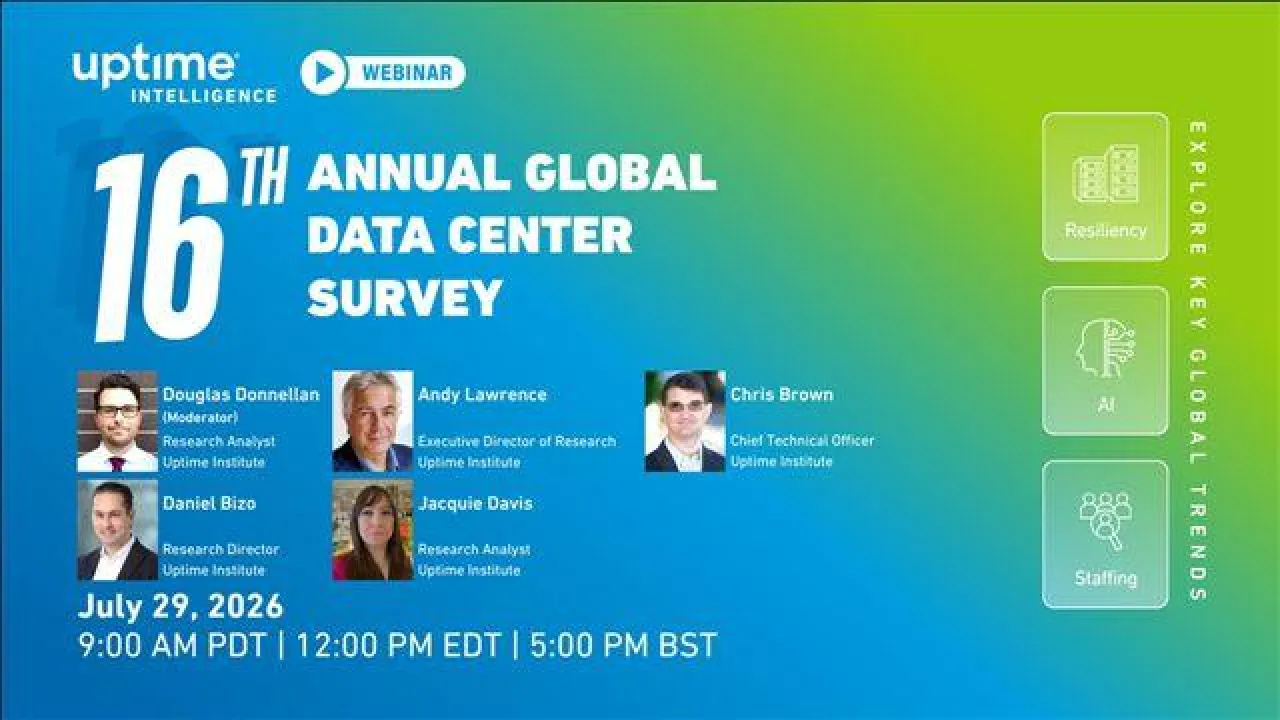
Uptime Institute's Annual Global Data Center Survey, now in its 16th year, is the most comprehensive and longest-running study of its kind. The findings in this report highlight the practices and experiences of data center owners and operators in…
AI-accelerated digital twins are central to many AI factory designs and builds. But despite progress in tackling specific power, cooling and IT challenges, most applications remain unproven beyond initial pilots and lack a clear return on investment.
The Uptime Institute Global Data Center Survey, now in its 16th year, highlights the practices, perceptions, intentions and experiences of data center owners and operators across resiliency, sustainability, efficiency, staffing, cloud and AI.