Data centers are being included in national development plans as a source of economic growth. While this will ease operators' access to land and power, it will also lead to more scrutiny from government and regulation.
Uptime Institute's Climate Change and Sustainability Survey (n=974) benchmarks climate change and environmental sustainability issues across the data center industry.The attached data files below provide full results of the survey, including data…
If adopted, the UNEP U4E server and storage product technical specifications may create a confusing and counter-productive regulatory structure. The current proposals are as likely to limit as improve data center operations' efficiency
As AI supercharges the growth in data center energy demands, new developments are likely to be increasingly politicized. Central governments may support their expansion, but opposition from local authorities and environmentalists will grow.
The UNEP U4E initiative has proposed guidelines for data center design and operation and server and storage product efficiency requirements. These have far-reaching implications for data center operations in developing countries.
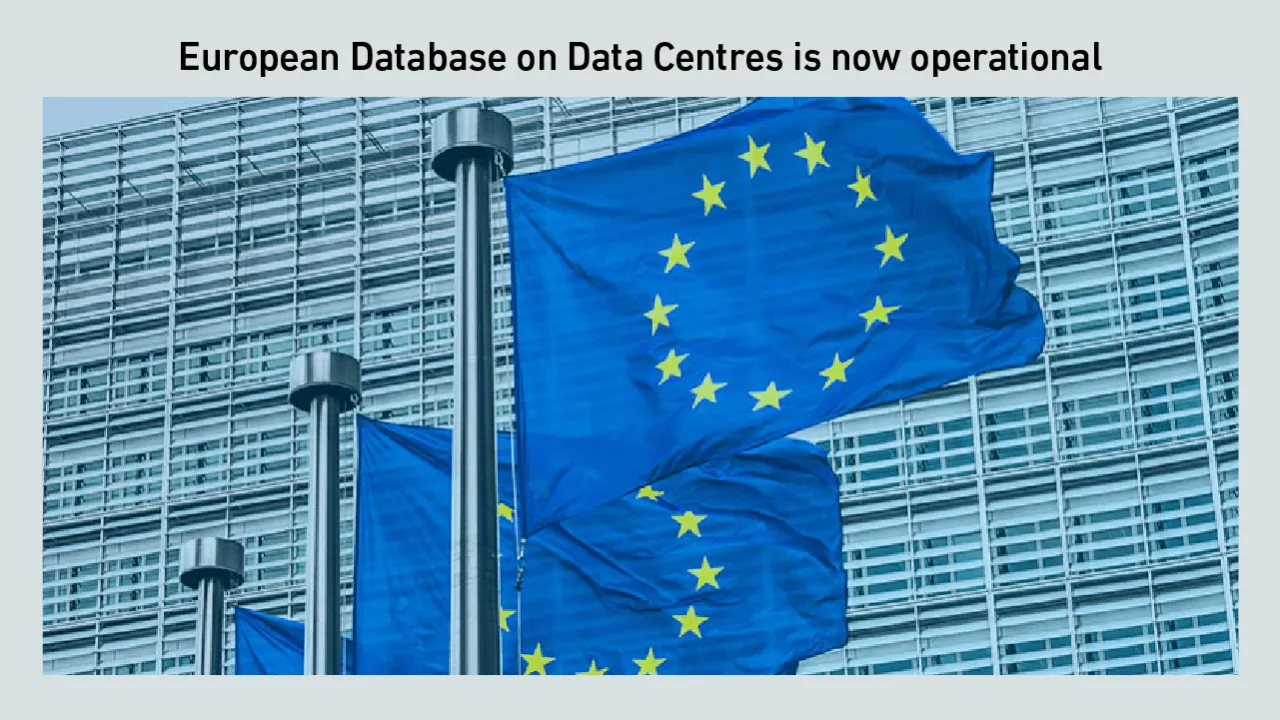
The European Database on Data Centres is operational, but EU member state processes to provide required IDs are still being finalized. Operators should begin the data submittal process as member state coordinator(s) are assigned.
The Netherlands has started to publish data center EED information and KPI reports - the first EU nation to do so - but with only 25% of reported IT space including data on energy and water use, the 2024 data report will not provide meaningful data.
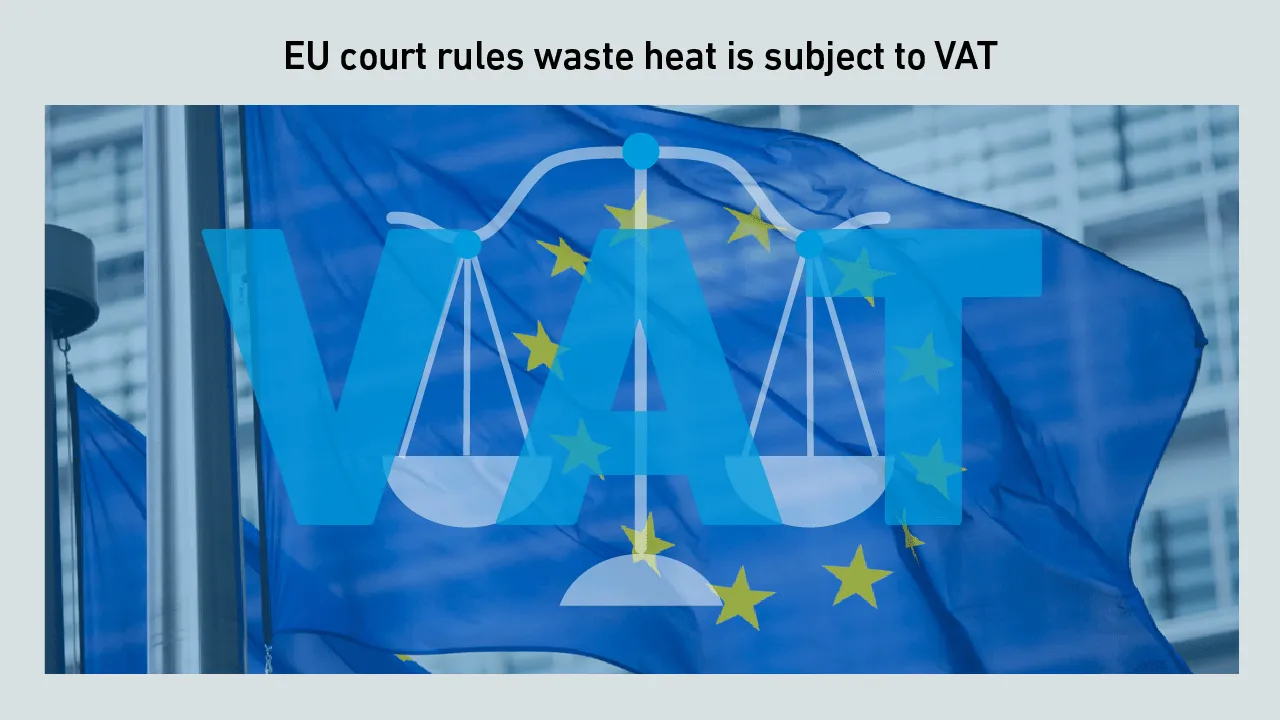
According to a recent court ruling, European organizations are required to charge value added tax (VAT) on waste heat that they give away for free. This calls into question the economics of waste heat reuse.
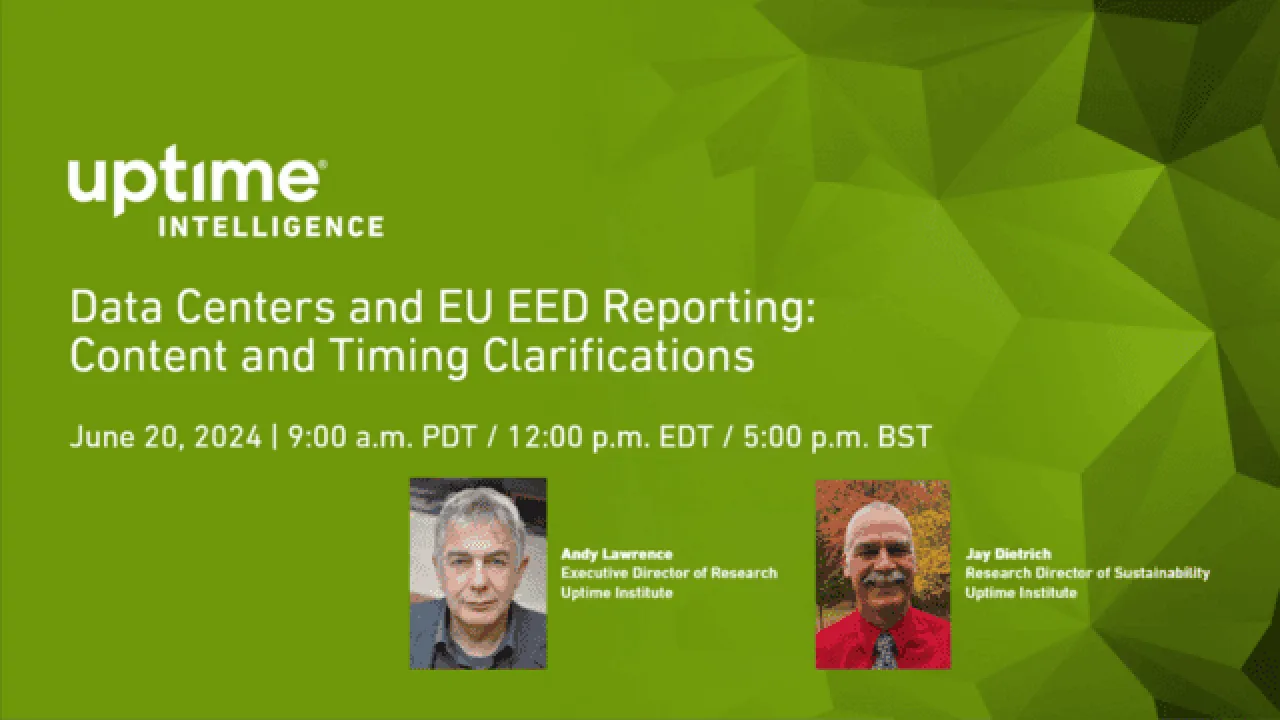
Data Center reporting for the EU Energy Efficiency Directive (EED) has been set for September 15, 2024. This webinar provides the current status and nuances of the reporting requirements as understood by Uptime Institute.
The Netherlands and Germany have established data reporting requirements with early reporting dates. The European Commission is working with member states to validate their European Database on Data Centers so operators can meet the deadlines.
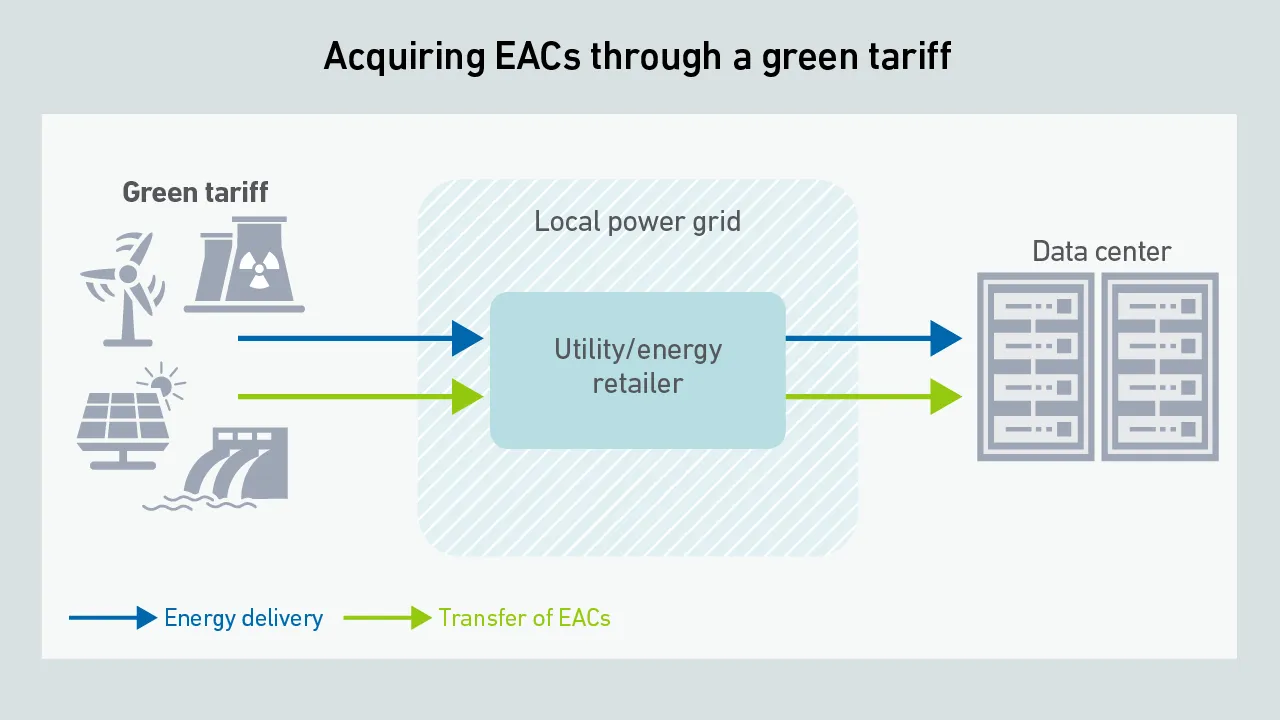
Energy attribute certificates (EACs) are becoming the preferred option for demonstrating the consumption of carbon-free and renewable energy. However, there is still some considerable debate regarding what type of EACs to use.
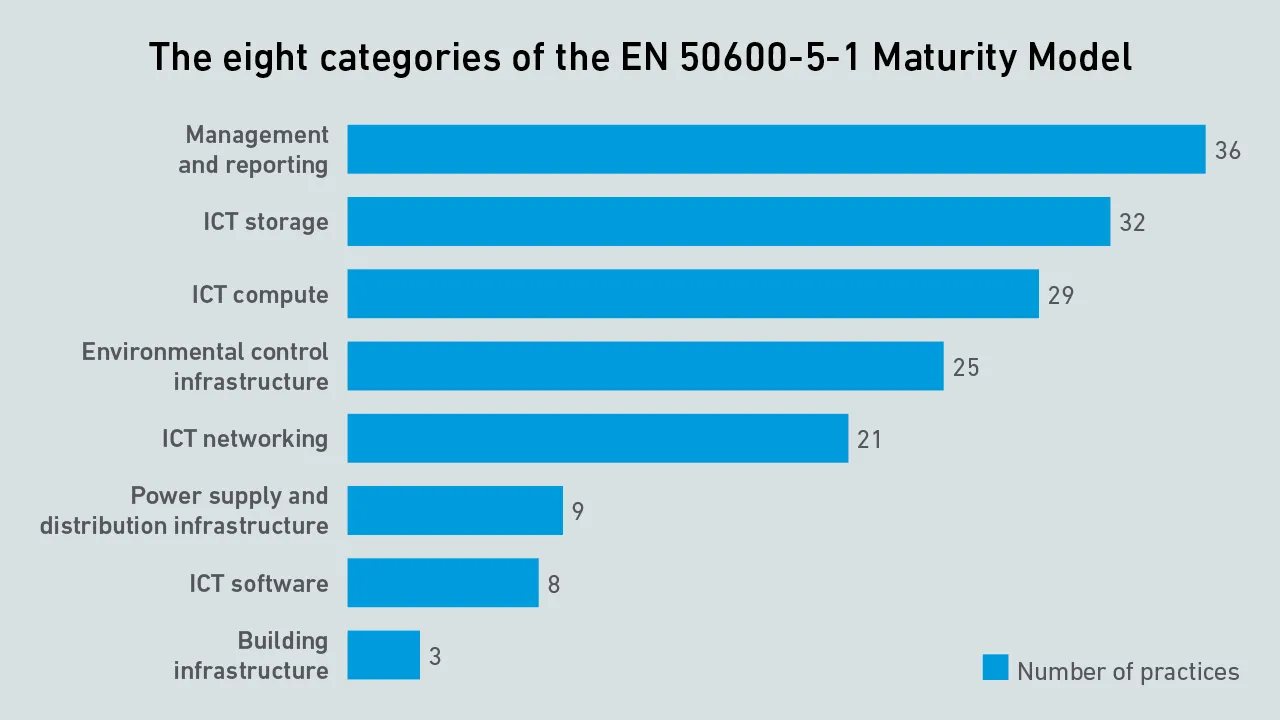
Sometime after 2026, the EU is expected to adopt an upcoming version of CENELEC's TS 50600-5-1 Maturity Model to assess data center sustainability. The current technical specification has some controversial elements.
This report looks at the leading frameworks for carbon reporting with regards to energy attribute certificates (EACs) and Scope 3, including their sector-specific guidance (if any) for data centers.
The reporting of IT equipment Scope 1 to 3 emissions across the data center value chain can account for the same emissions up to six times. Sustainability efforts should favor achieving more efficient, less carbon-intensive operations.
Uptime Intelligence is inviting interested parties to collaborate on an initiative to improve data sharing between co-hosting / colocation companies and IT operators in order to comply with regulations and meet sustainability goals.