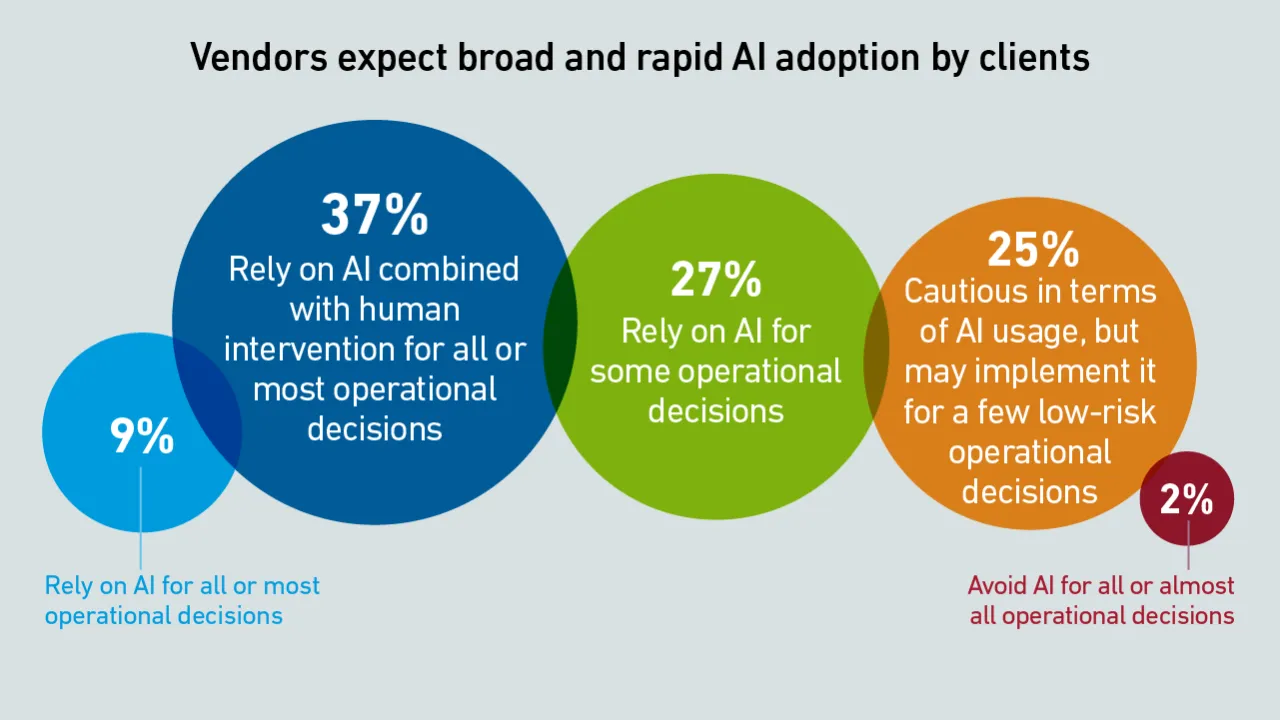
Most operators do not trust AI-based systems to control equipment in the data center - this has implications for software products that are already available, as well as those in development.
Security vulnerabilities in data center infrastructure management (DCIM) software are leaving some operators at risk of cyberattacks.
Results from Uptime Institute's 2025 Security Survey (n=982), now in its 3rd year, explore major cybersecurity issues facing data centers, as well as the IT and OT systems used to operate critical infrastructure.The attached data files below provide…
The Uptime Institute Global Data Center Survey, now in its 15th year, is the most comprehensive and longest-running study of its kind. The findings in this report highlight the practices and experiences of data center owners and operators in the…
The 15th edition of the Uptime Institute Global Data Center Survey highlights the experiences and strategies of data center owners and operators in the areas of resiliency, sustainability, efficiency, staffing, cloud and AI.
AI training can strain power distribution systems and shorten hardware life - especially in data centers not built for dynamic workloads. Many operators may be underestimating these risks during design and capacity planning.
Current geopolitical tensions are eroding some European organizations' confidence in the security of hyperscalers; however, moving away from them entirely is not practically feasible.
Data center operators are increasingly aware that their operational technology systems are vulnerable to cyberattacks. Recent incident reports show a rise in ransomware attacks, which pose significant risks to data centers
Training large transformer models is different from all other workloads - data center operators need to reconsider their approach to both capacity planning and safety margins across their infrastructure.
Cybersecurity has traditionally not been a key focus of attention for data center operators. But cyber incidents are on the rise and concerns are growing. Unaddressed vulnerabilities leave operators at increasing risk from evolving threats.
Human error is an increasingly exploited weakness by cyberattackers, leading to data center security breaches and greater risk for enterprises and operators.
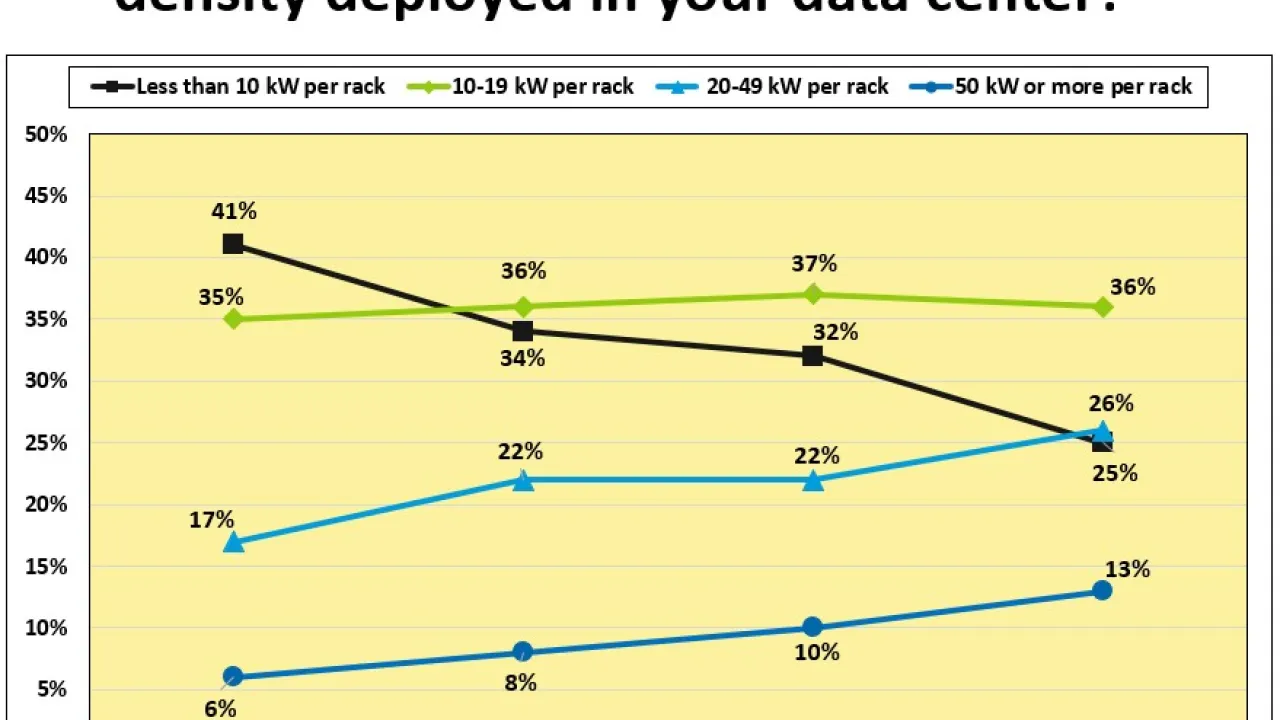
To meet the demands of unprecedented rack power densities, driven by AI workloads, data center cooling systems need to evolve and accommodate a growing mix of air and liquid cooling technologies.
The 15th edition of the Uptime Institute Global Data Center Survey highlights the experiences and strategies of data center owners and operators in the areas of resiliency, sustainability, efficiency, staffing, cloud and AI. The attached data files…
Data center owners are as committed to Tier III and Tier IV designs as ever, but more will be required to share power, adding complexity and possibly risk.
Organizations that architect resiliency into their cloud applications should expect a sharp rise in carbon emissions and costs. Some architectures provide a better compromise on cost, carbon and availability than others.