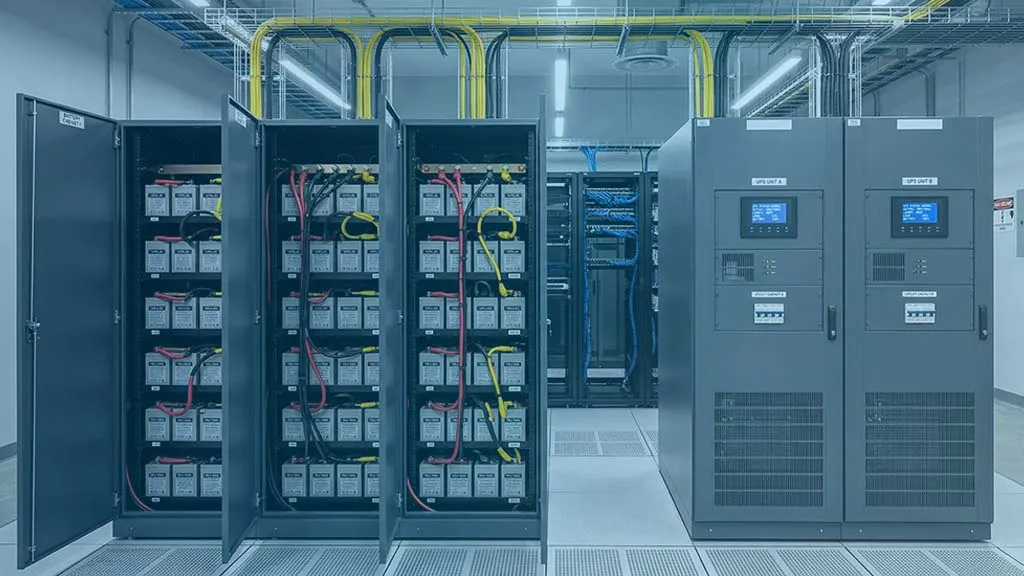
Can batteries transform how data centers power AI and connect to the grid? To do so, BESS technologies will need further economic and technical improvements to unlock faster interconnections, cleaner energy and smarter power control.
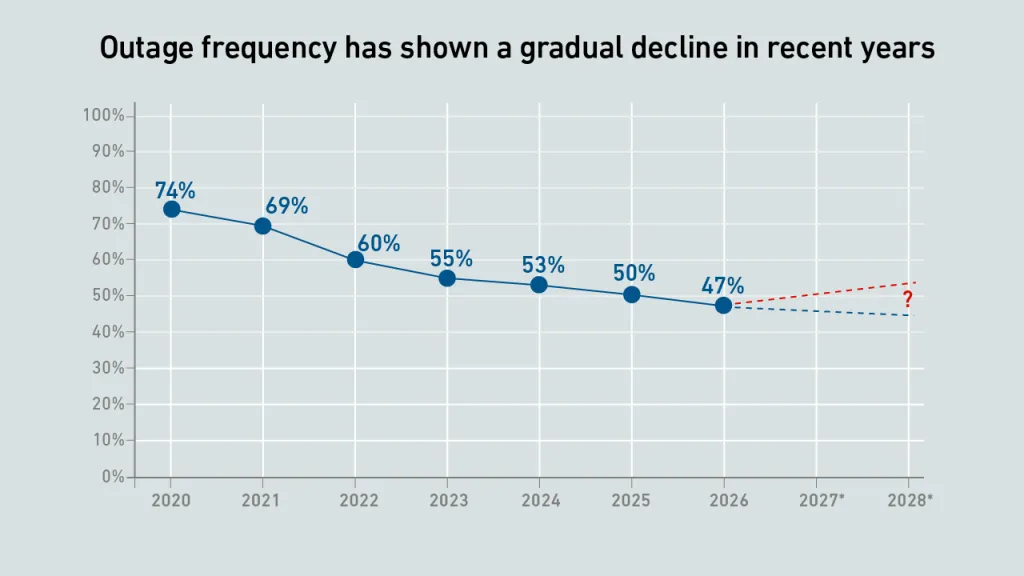
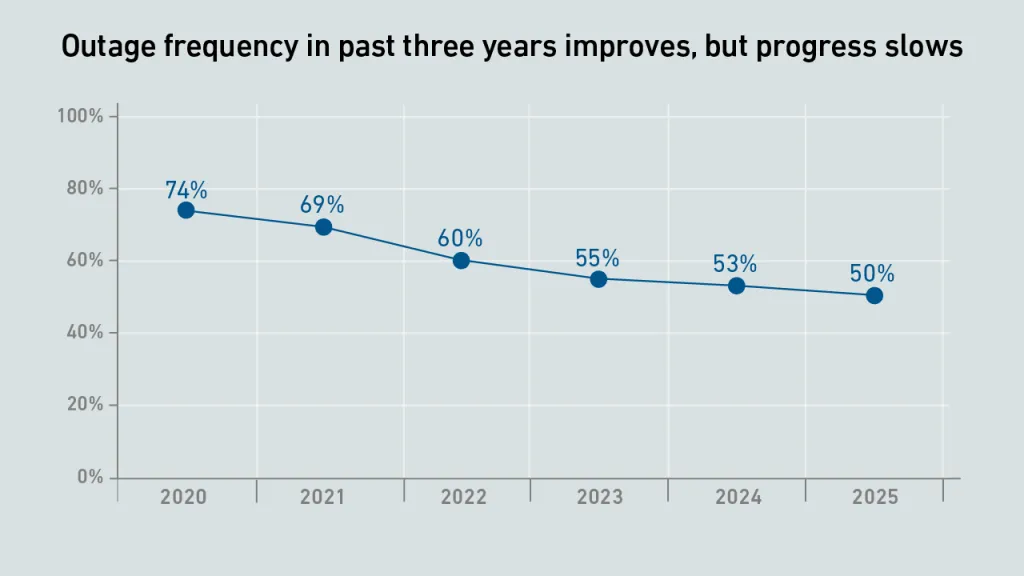
For years, the industry has celebrated a reassuring trend: despite a growing number of outages, resiliency has continued to improve. But as AI-driven expansion accelerates, that long-running improvement may be about to stall — or even reverse.
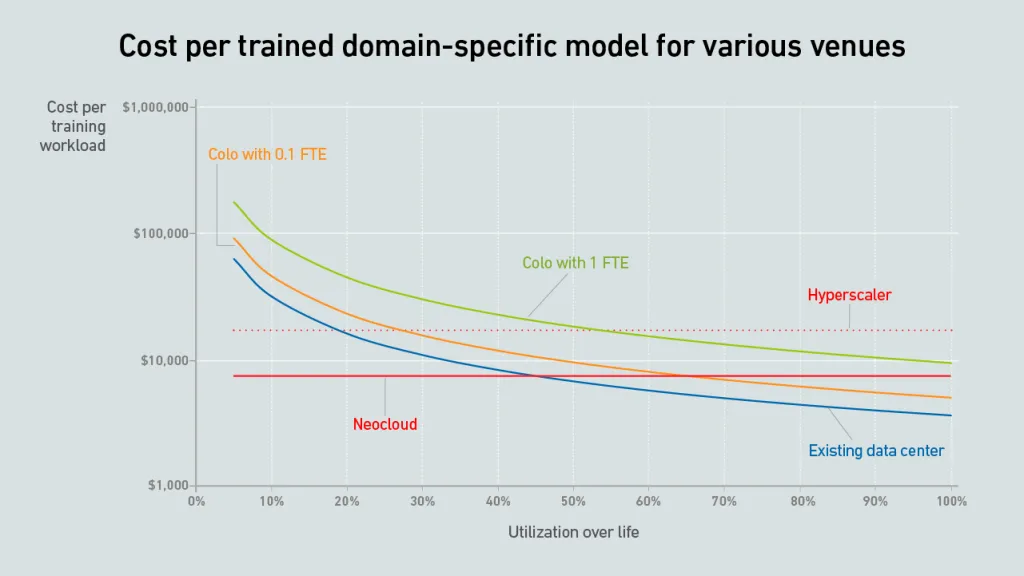
More data center operators are performing AI training in 2026, and this type of workload continues to be distributed across a wide range of data center venues. No single hosting model has emerged as the default.
Ireland: on-site power is forced through the grid
Grid flexibility classification gives structure to demand response
A culture of token abundance collides with financial reality
Critical spares management: In-House vs. Spare-Parts-as-a-Service
Copper is becoming a systems constraint, not just a commodity issue
RTO and MTTR for data center facilities and equipment
Flash AIR: 2026-02-04 - Axial Cooling Fan Failures
Conductive dust (Metallic)
NARADA Lithium Ion Model UL9450 Batteries
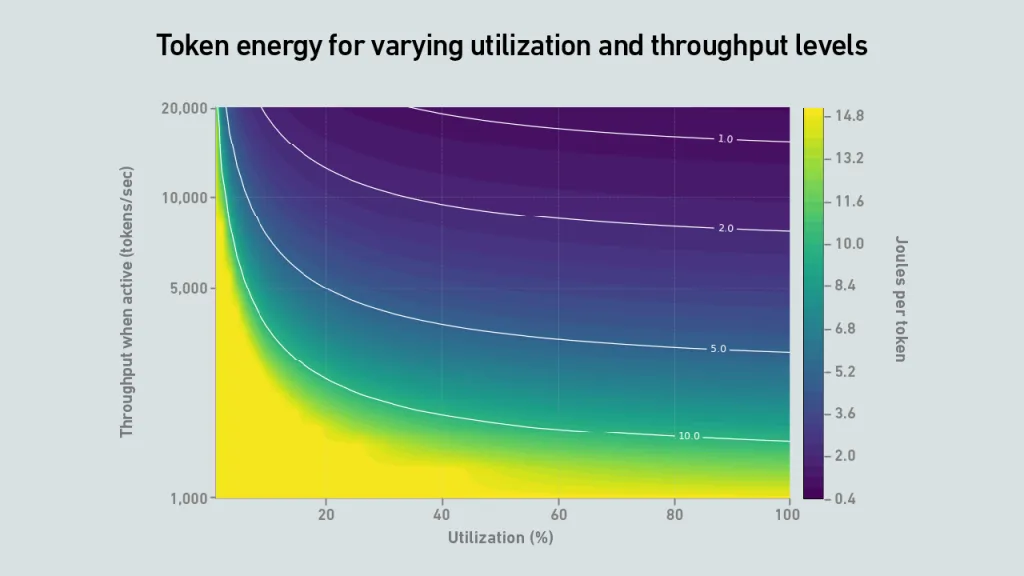
The problem with energy per token
NERC alert points to future of grid
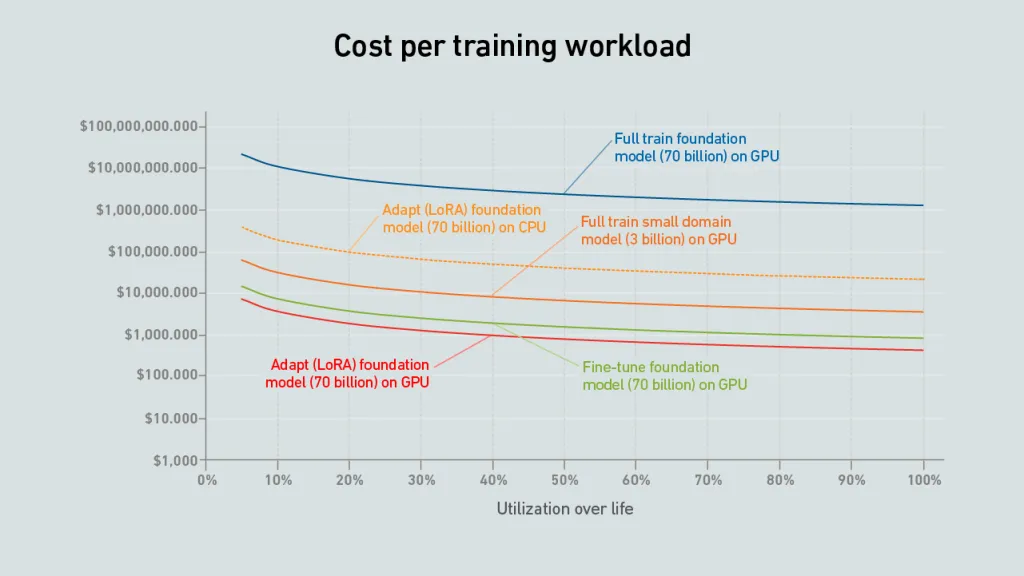
How AI training choices affect infrastructure costs
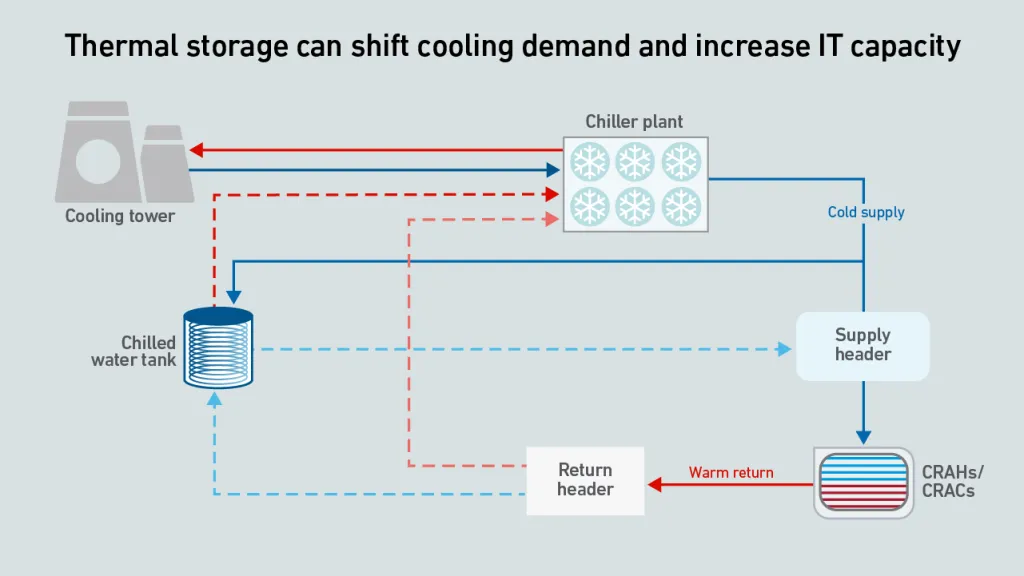
Rethinking thermal storage as a capacity tool
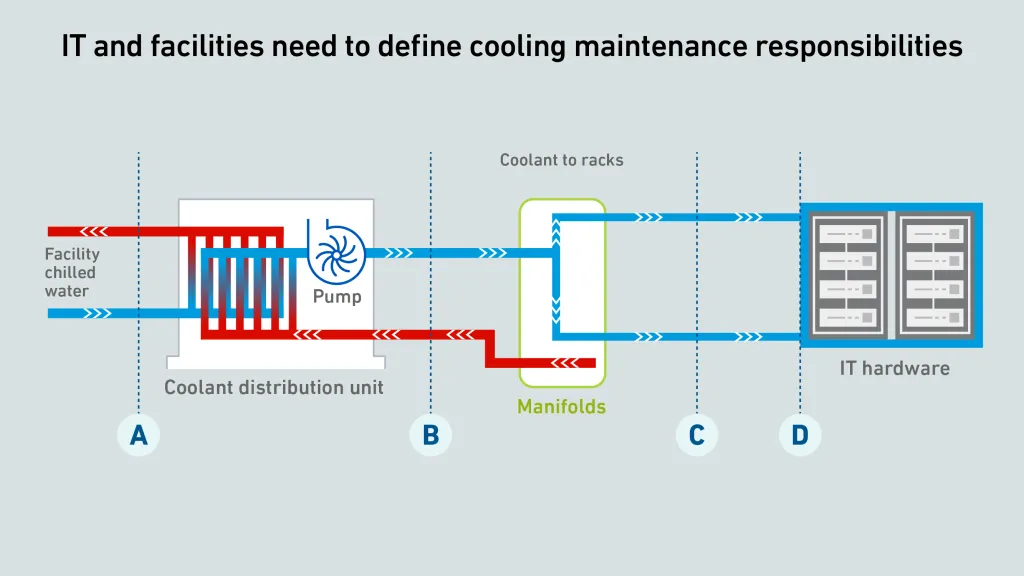
Consensus and confusion in liquid cooling maintenance
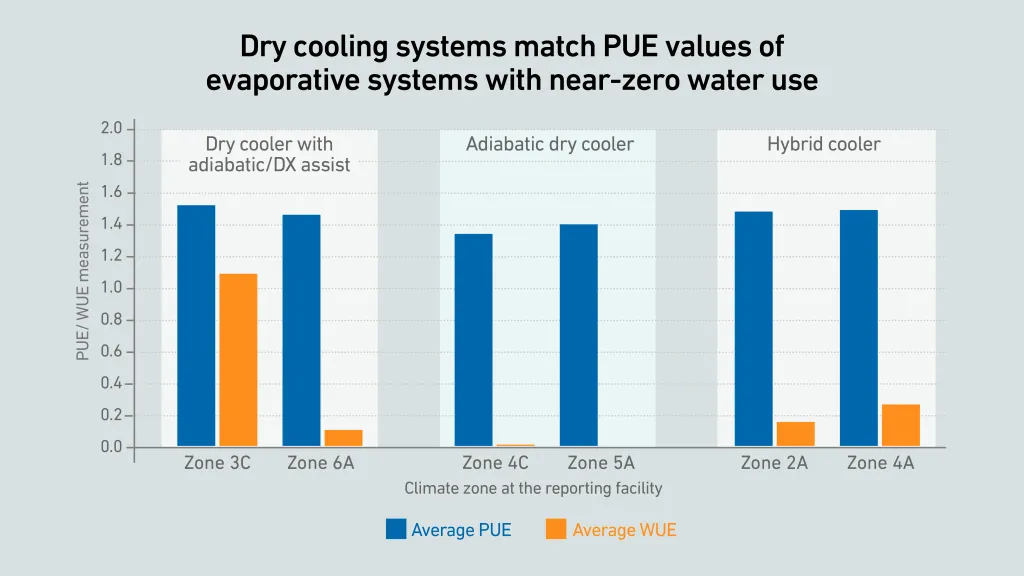
Dry cooling energy performance can rival evaporative cooling
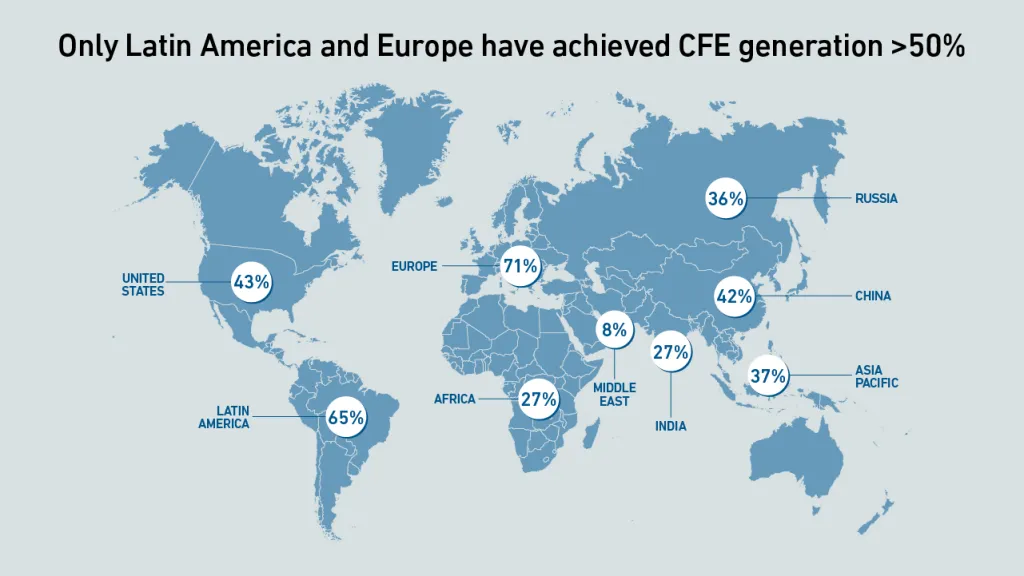
Hourly-matched net-zero by 2030 was an unrealistic Holy Grail
Is demand response a viable accelerator for grid interconnects?
Emerging tech: carbon capture at source
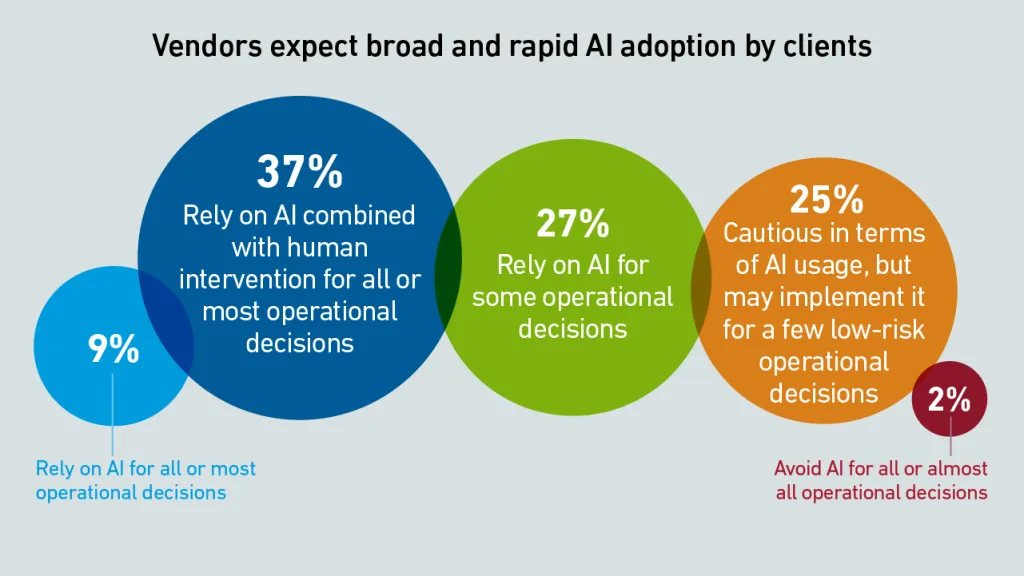
Vendors are unreasonably optimistic about AI in operations
Where to deploy AI training: a guide to the economics
Annual outage analysis 2026
Real-time telemetry requires modern, flexible cybersecurity
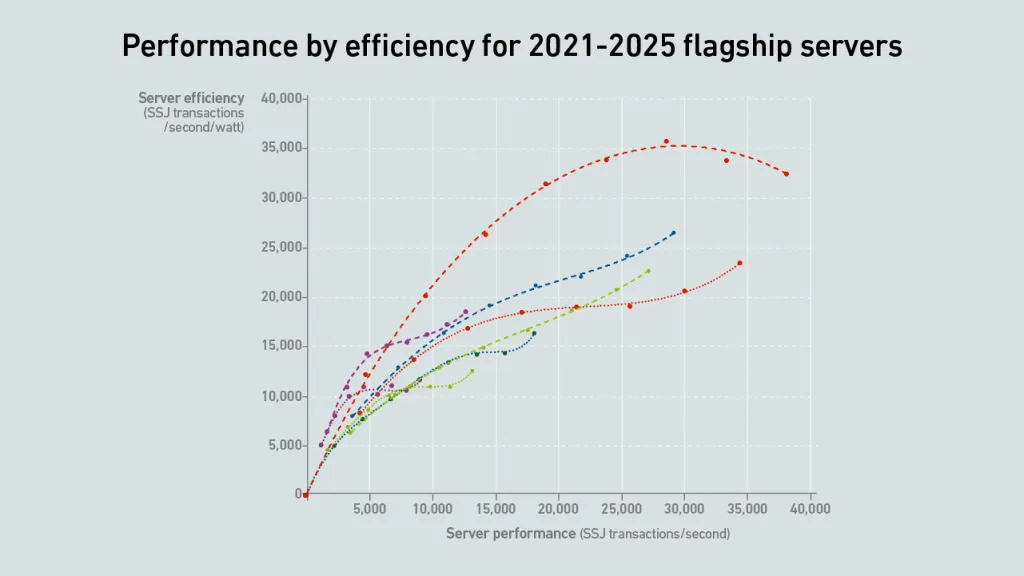
Flagship servers push peak performance and lift efficiency
US data center critics pivot from moratoria to regulations