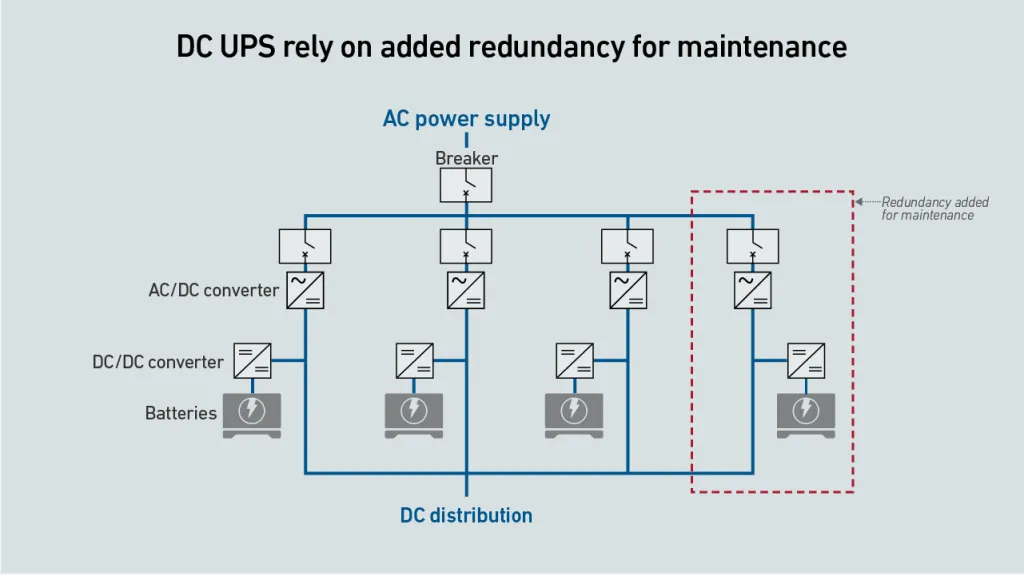
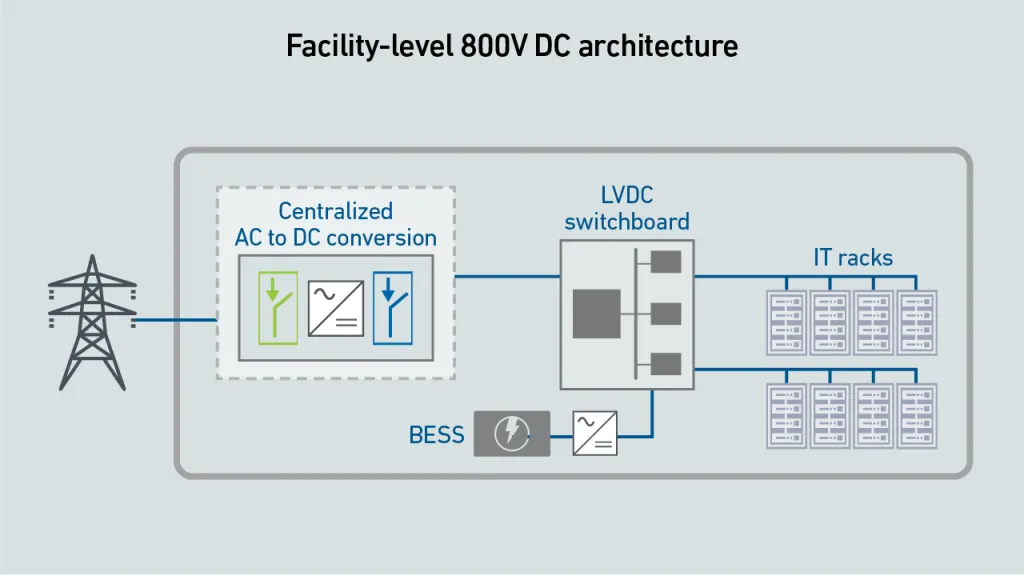
As AI rack power reaches hundreds of kilowatts, interest in DC power is growing. While DC can offer efficiency gains and a reduced footprint, it also introduces new challenges in protection, fault detection, grounding and worker safety.
Thailand is the latest country seeking greater oversight of data center projects, with the government pausing construction and approvals while it establishes a unified regulatory framework to manage the sector's rapid growth.
Giant data center power capacity and investment are at unprecedented levels, with power proposed in the first half of 2026 tracking at 2025 levels.
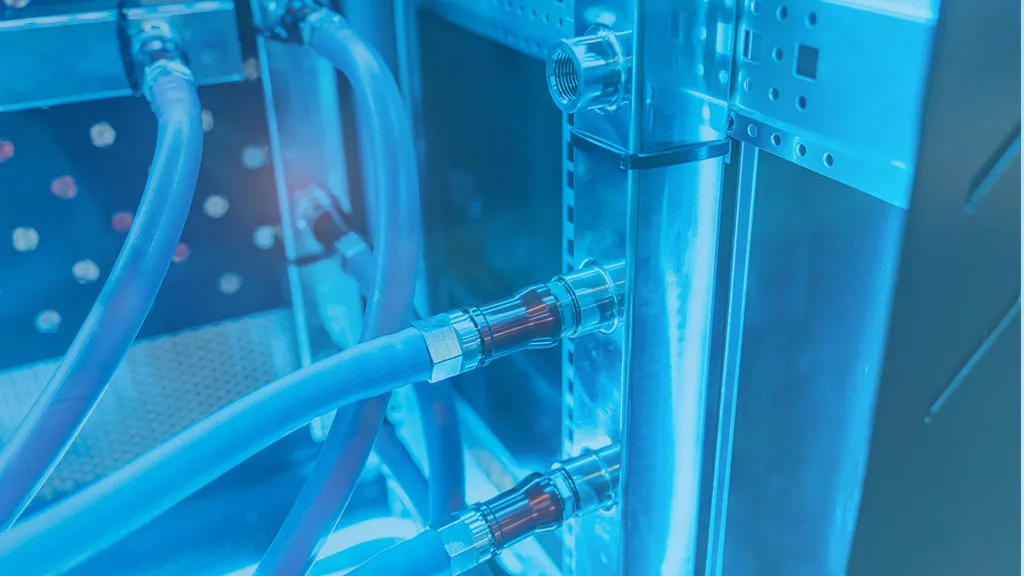
IT-agnostic DLC systems: key considerations
Coverage and quality concerns persist in EU's EED data
800V DC arc flash risks will depend on design
2026 Roundtable schedule
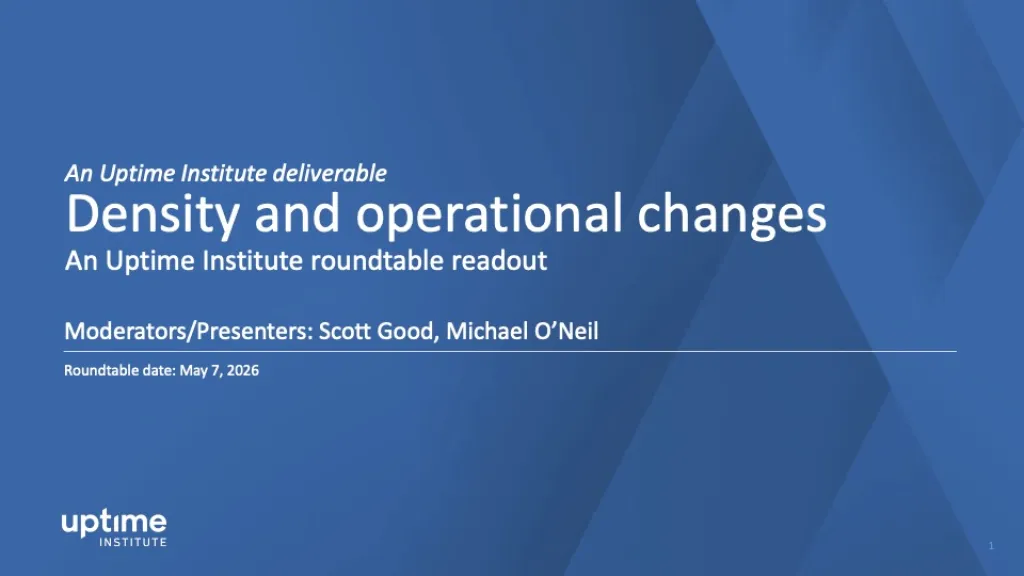
Operational responses to rising data center density
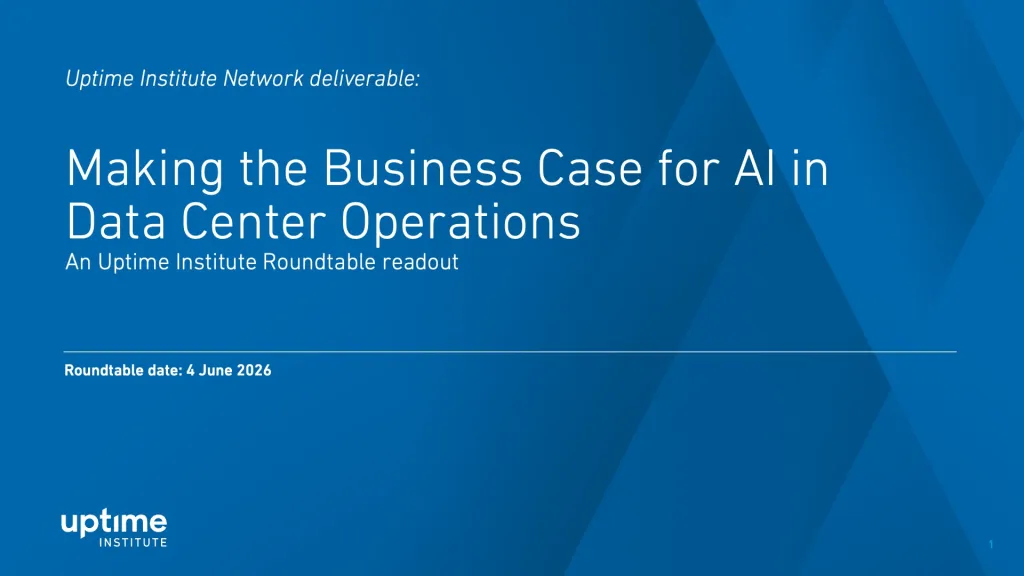
Making the business case for AI in data center operations
New Uptime Network Initiative! AI in Data Center Operations 2: I2I
Last week listened to a very good webinar delivered by the Reliability Web on hidden…
Do you use AI to detect and report underutilized IT hardware?
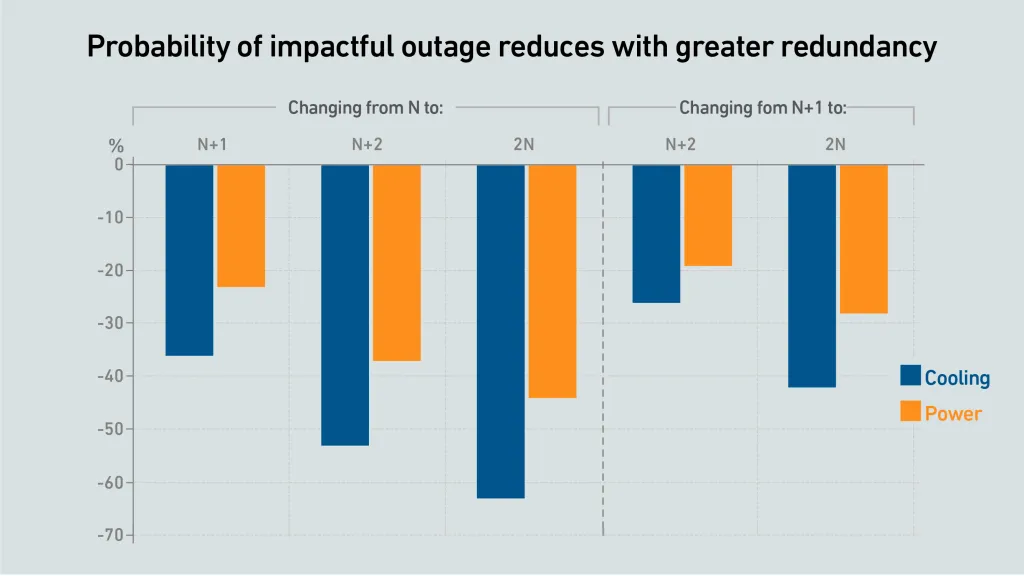
Survey findings link higher redundancy to lower outage risk
AI facility developers advised to take a methodical approach
Open-weights models fuel appetite for on-premises AI
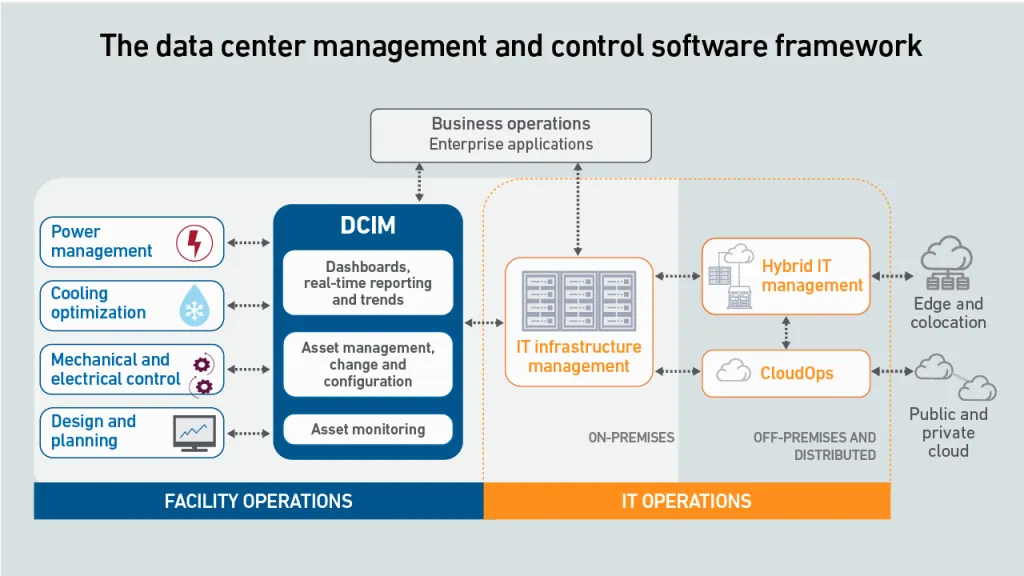
Uptime Institute DCIM Procurement Guide 2026
AI cooling optimization: potential versus operational reality
AI-accelerated digital twins: lessons for operators
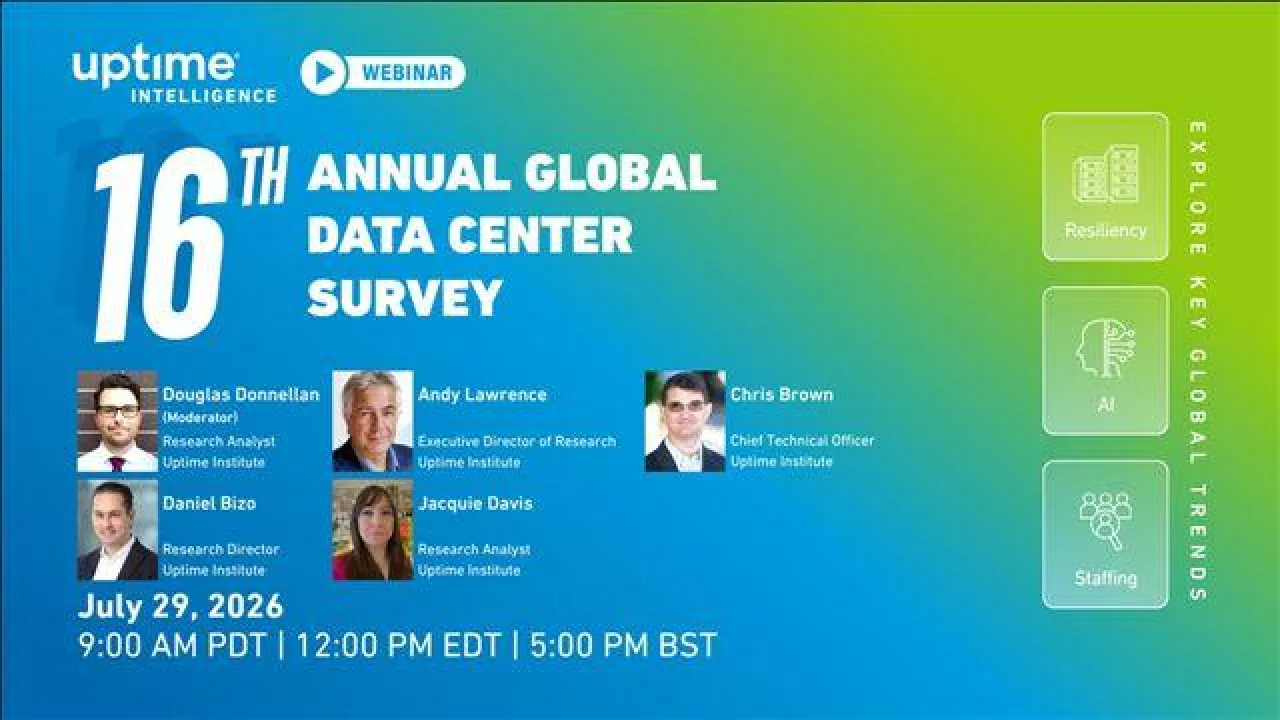
Uptime Institute Global Data Center Survey 2026
Draft grid rules position data centers as active grid participants
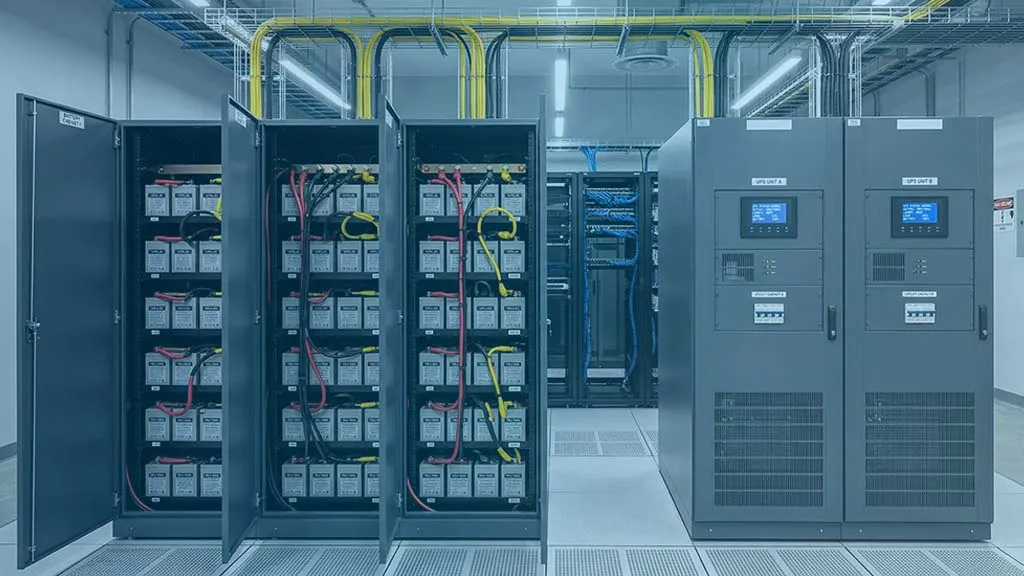
BESS in data centers: use cases and technologies
Cutting grid connection queues: the UK's pay-to-stay plan
New York's data center pause may set a global precedent
Drones over data centers: security risks and mitigation
US grid bills move forward, but implementation will be complex
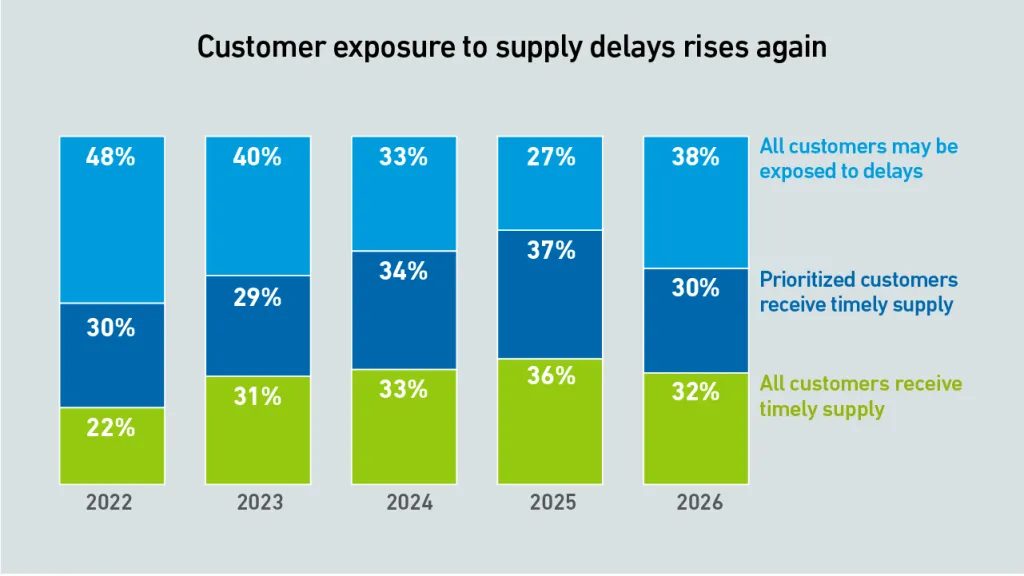
Uptime Institute Global Data Center Survey 2026: supplier view
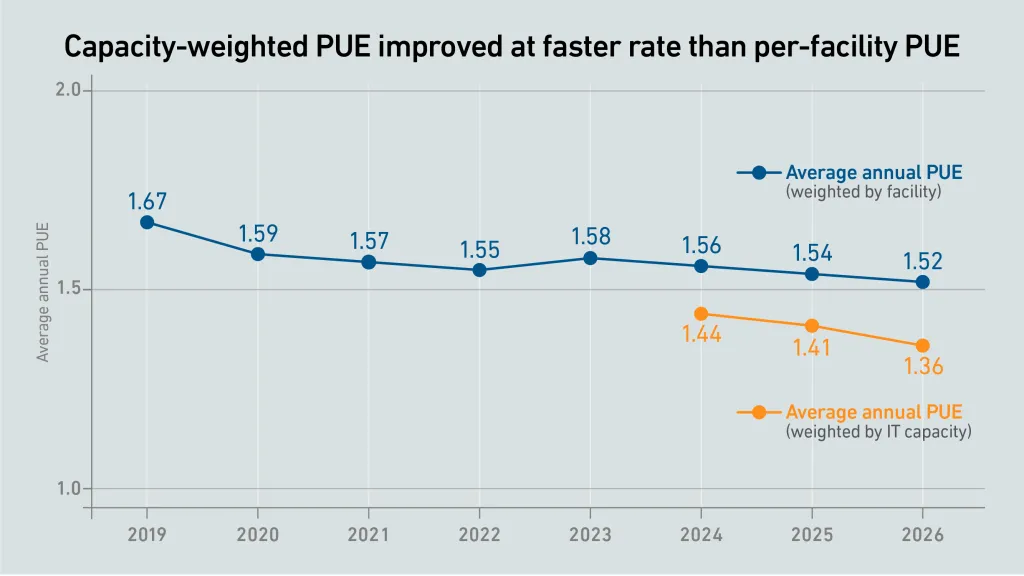
The growing PUE advantage of larger data centers
You are registering for the following:
Event:
Date & Time: at
Presenters:
Location: Microsoft Teams meeting