The New York state senate recently proposed legislation mandating data center information reporting and operational requirements. Although the Bill is unlikely to pass, the legislation indicates a likely framework for future regulation
Jay is the Research Director of Sustainability at Uptime Institute. Dietrich looks beyond the hype to analyze the transformations required in energy and IT systems, data centers and software management systems, and intra-organizational collaboration, both within and between companies, to deliver sustainable data center operations.
jdietrich@uptimeinstitute.com
The New York state senate recently proposed legislation mandating data center information reporting and operational requirements. Although the Bill is unlikely to pass, the legislation indicates a likely framework for future regulation
The data center industry's growth projections can be met by combining energy supply growth and demand reduction. Highly utilized IT infrastructure and efficient software can mitigate demand growth while delivering needed IT capacity.
If adopted, the UNEP U4E server and storage product technical specifications may create a confusing and counter-productive regulatory structure. The current proposals are as likely to limit as improve data center operations' efficiency
As the industry power demand grows, IT operators must focus on both IT infrastructure power demand and supply. A portion of the required power growth can be eliminated through better utilization of existing and new IT infrastructure and software…
The UNEP U4E initiative has proposed guidelines for data center design and operation and server and storage product efficiency requirements. These have far-reaching implications for data center operations in developing countries.
Data center operators building new systems can choose from nine categories of cooling technology. Innovative cooling equipment has minimized energy and water use and the average PUE for air-cooled and water-cooled systems.
The Netherlands is now enforcing the energy saving obligation, suggesting they will also enforce EED energy management system and audit requirements. Data center operators need to establish a plan to optimize their energy performance.
Some operators are using natural gas for on-site power where the local grid is constrained. This will increase their emissions - but gas is essential in the transition to renewable energy and operators' use of it is best seen in this light.
The European Database on Data Centres is operational, but EU member state processes to provide required IDs are still being finalized. Operators should begin the data submittal process as member state coordinator(s) are assigned.
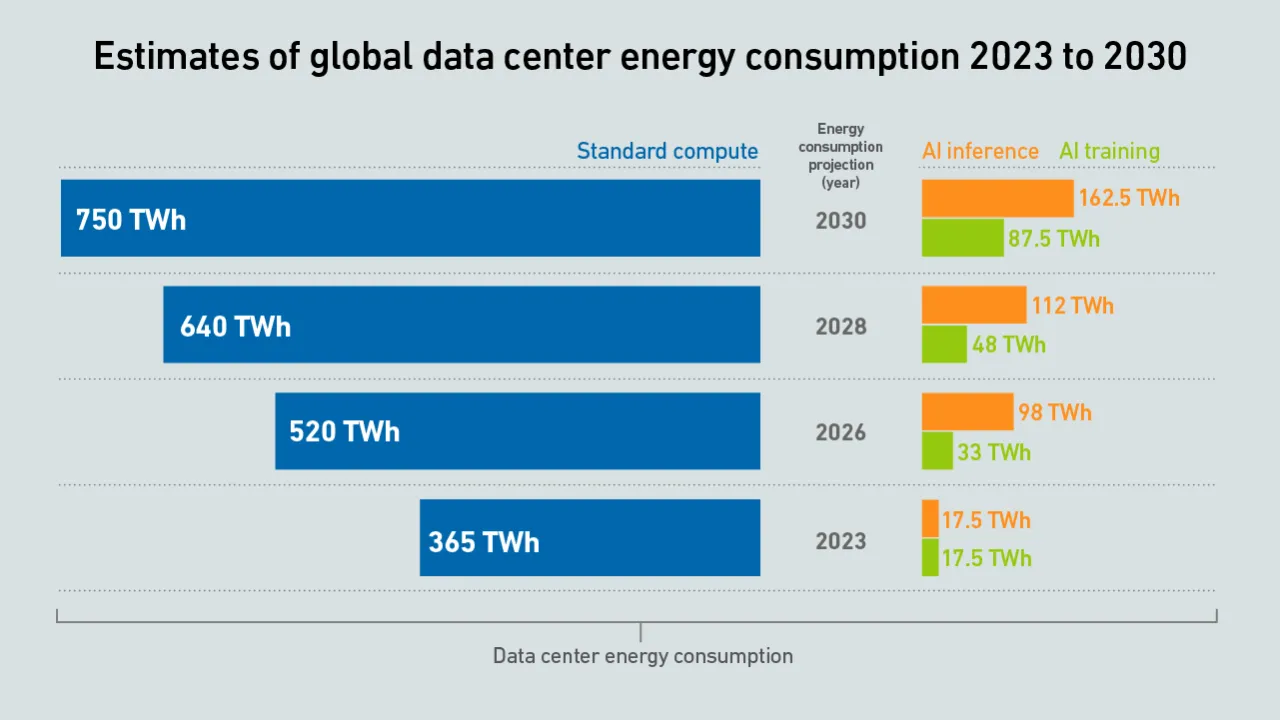
The acceleration of data center energy consumption growth projections appears to threaten sustainability objectives. Instead, it demands a reinvigoration of efforts to improve the energy efficiency of the IT infrastructure through better system…
The data center industry's drive for carbon-free growth appears to be at odds with electricity grid stability. Data center operators will need to reorient their strategies to integrate growth, efficiency and decarbonization.
The Netherlands has started to publish data center EED information and KPI reports - the first EU nation to do so - but with only 25% of reported IT space including data on energy and water use, the 2024 data report will not provide meaningful data.
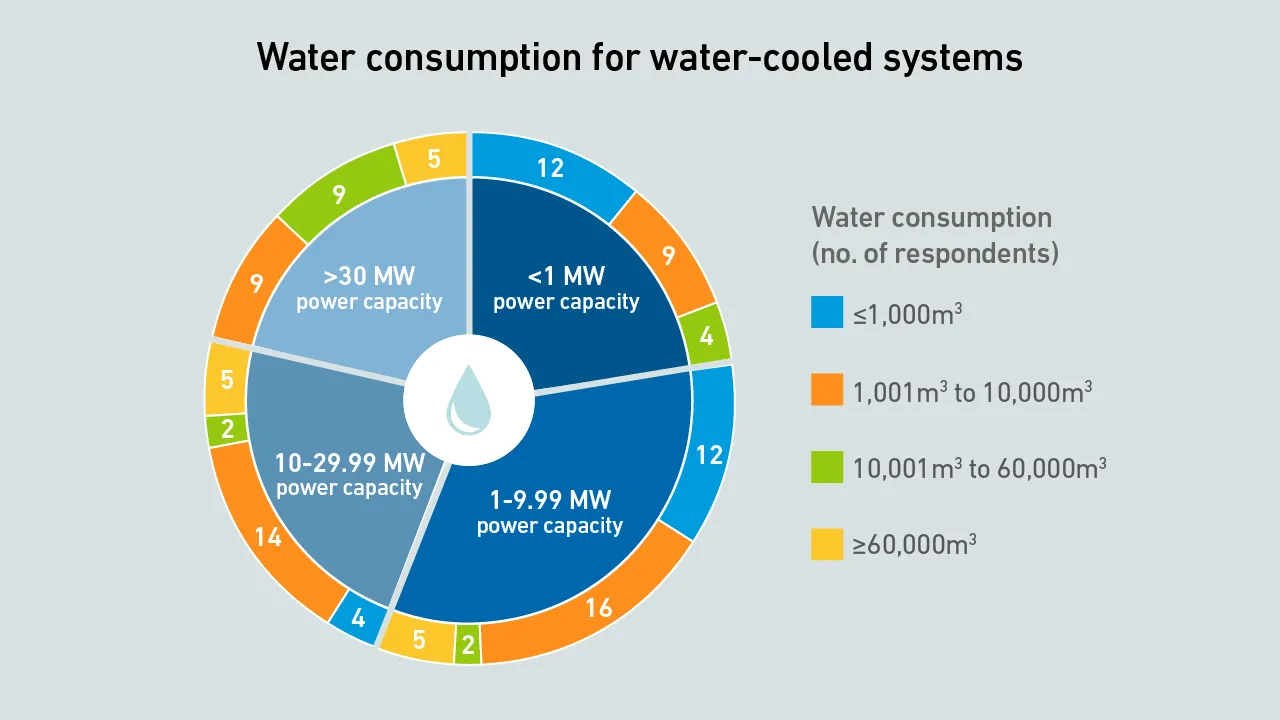
Water use has become a critical element of a sustainability strategy. It is a location-specific issue: local climate and resources and the data center design will determine the water use profile of the facility.
Data center teams and their suppliers need to build a coherent, achievable sustainability strategy to address emerging regulations. Managers should clarify roles and set cross-functional metrics to achieve sustainability goals.
Data Center reporting for the EU Energy Efficiency Directive (EED) has been set for September 15, 2024. This webinar provides the current status and nuances of the reporting requirements as understood by Uptime Institute.