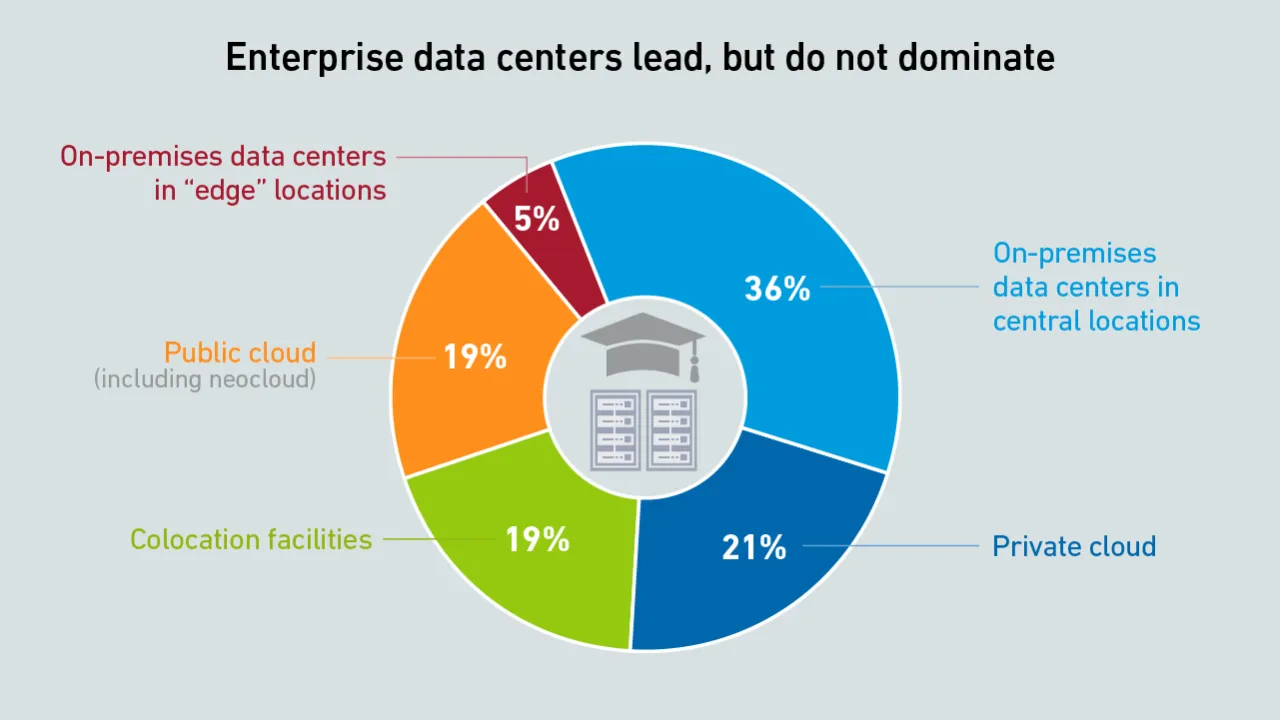
Growing workload demand continued to drive capacity growth in 2025 for both enterprise and colocation companies. Although colocation growth remained strong overall, more colocation operators reported reaching a plateau than in 2024.Fewer enterprise…
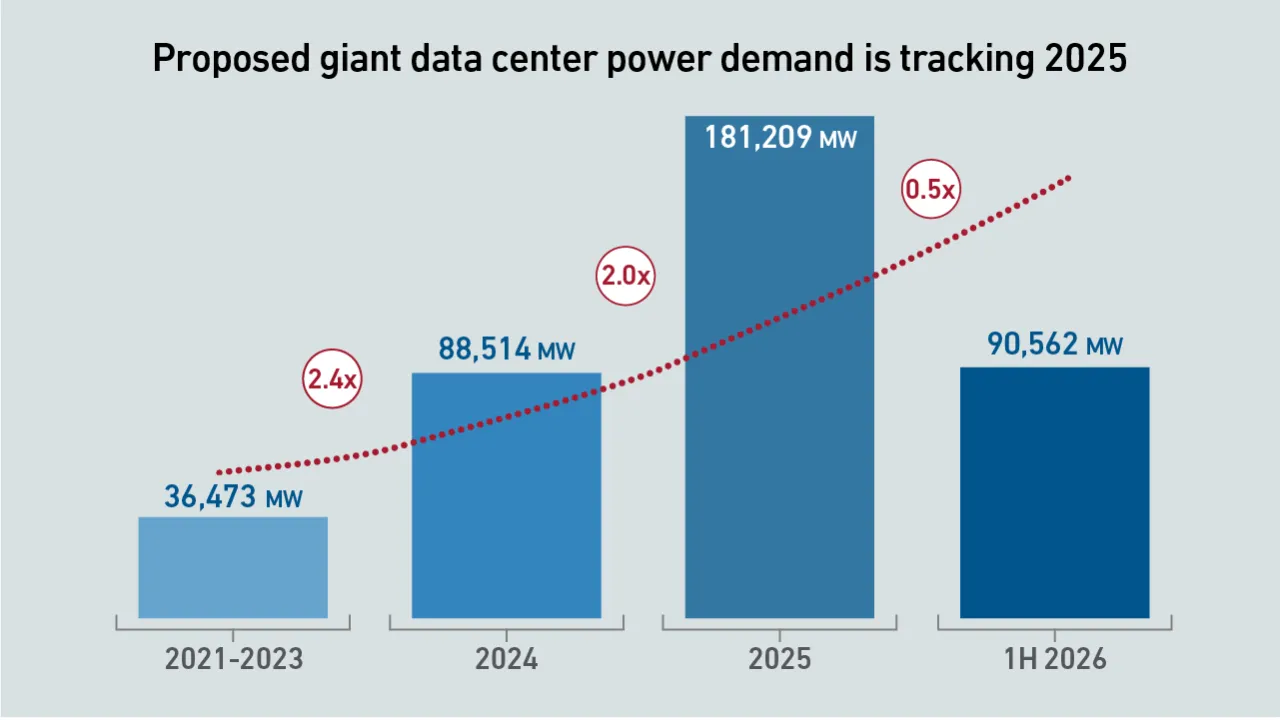
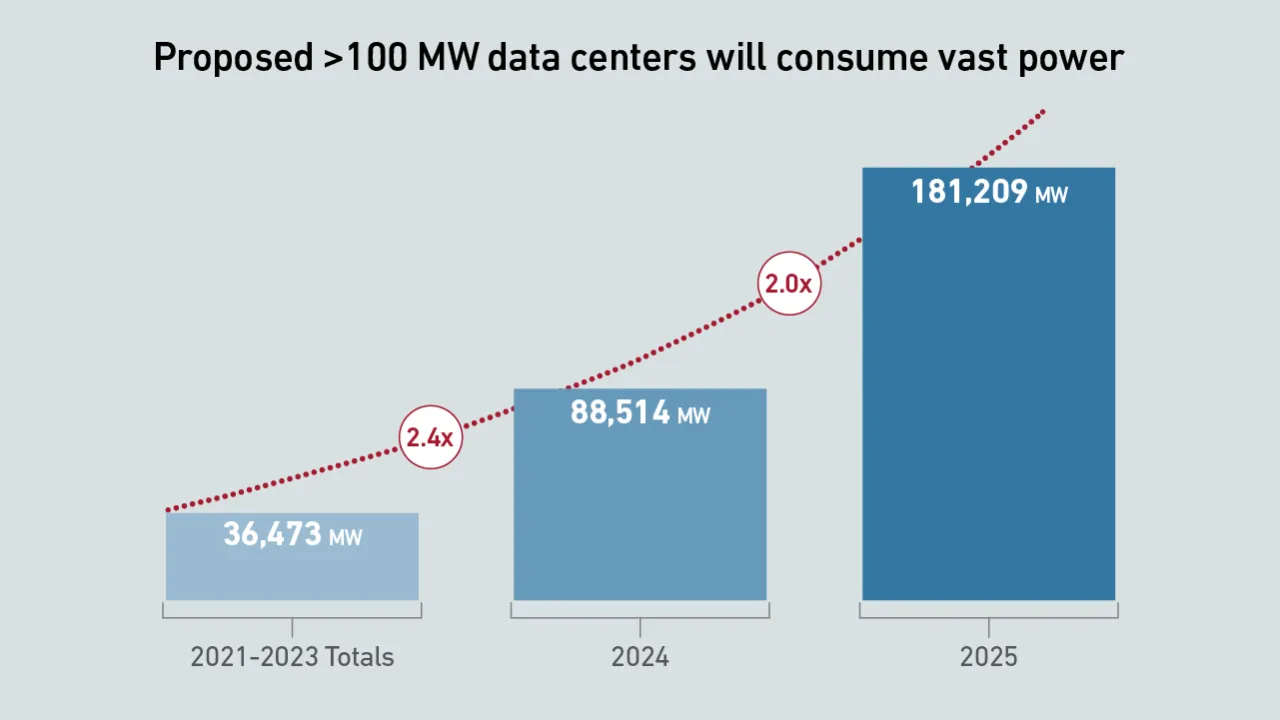
Data from Uptime Intelligence's giant data center analysis indicates that proposed power capacity and investment tied to giant data centers and campuses are at unprecedented levels.North America represents 80% of all planned power identifed in 2025…
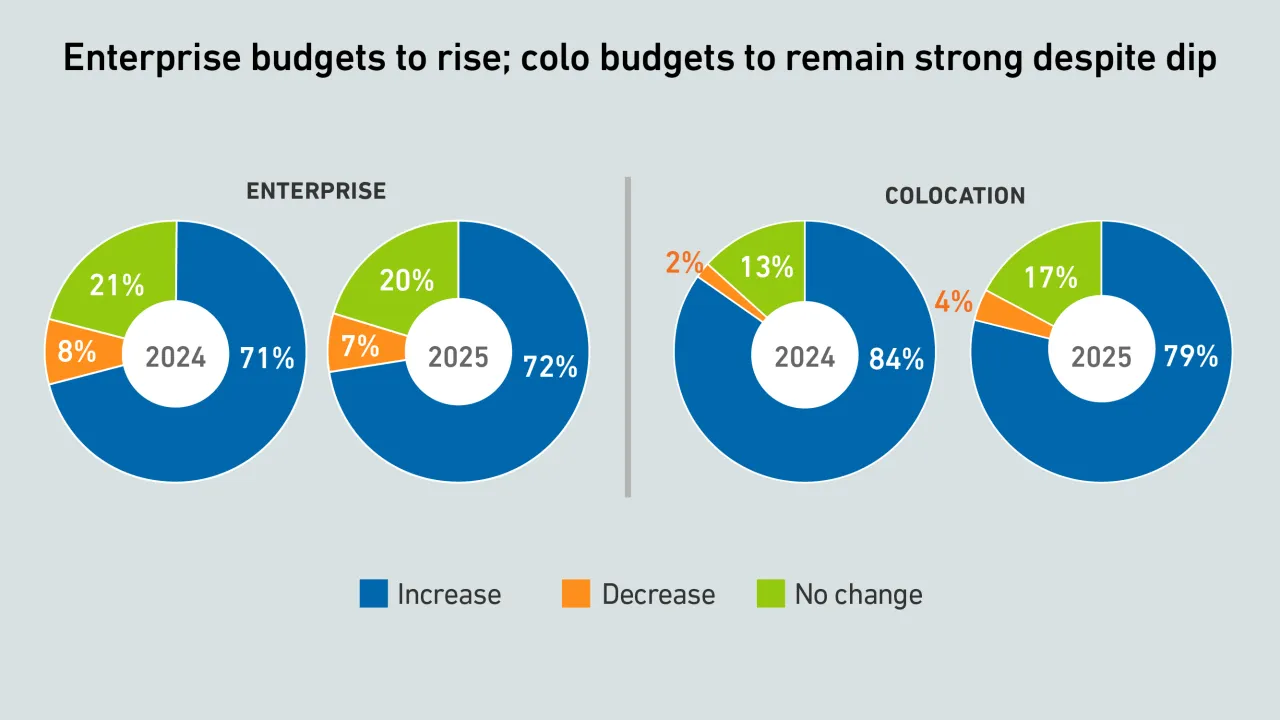
Operators in both enterprise and colocation segments anticipate larger budgets in 2026. While capacity expansion remains the primary driver of overall planned spending, investment priorities for supporting growth differ between the two groups. Year…
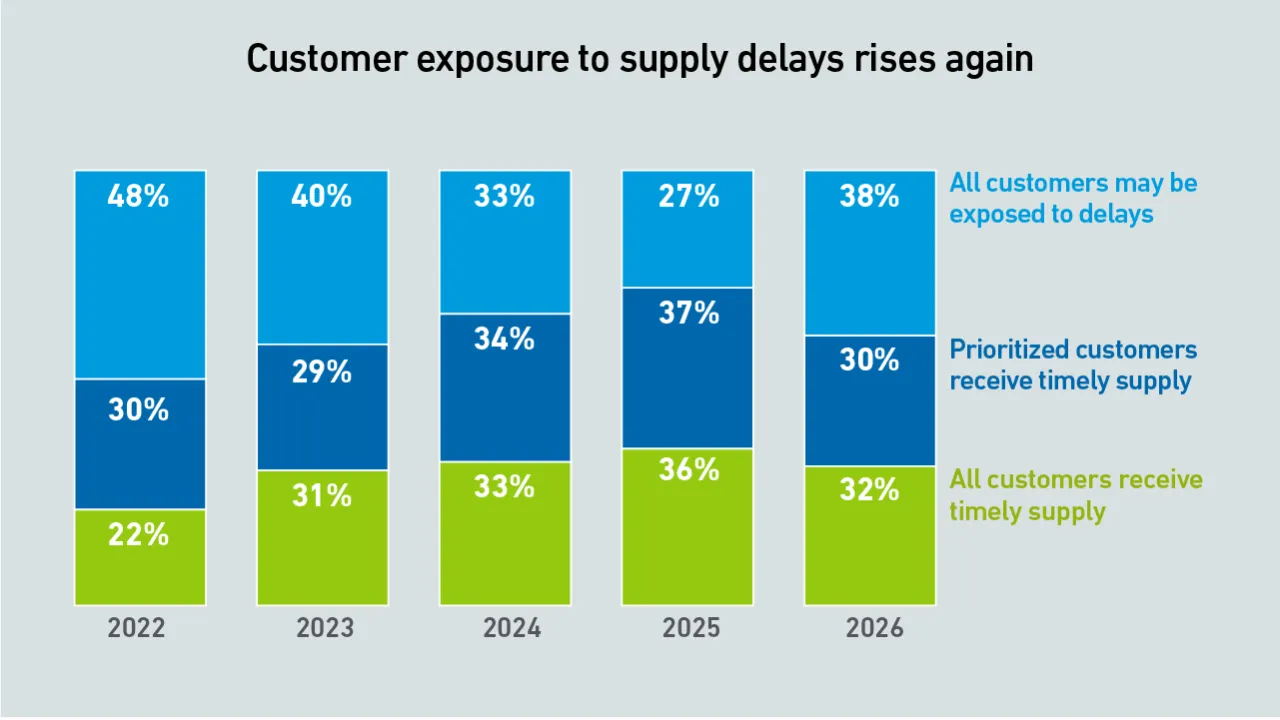
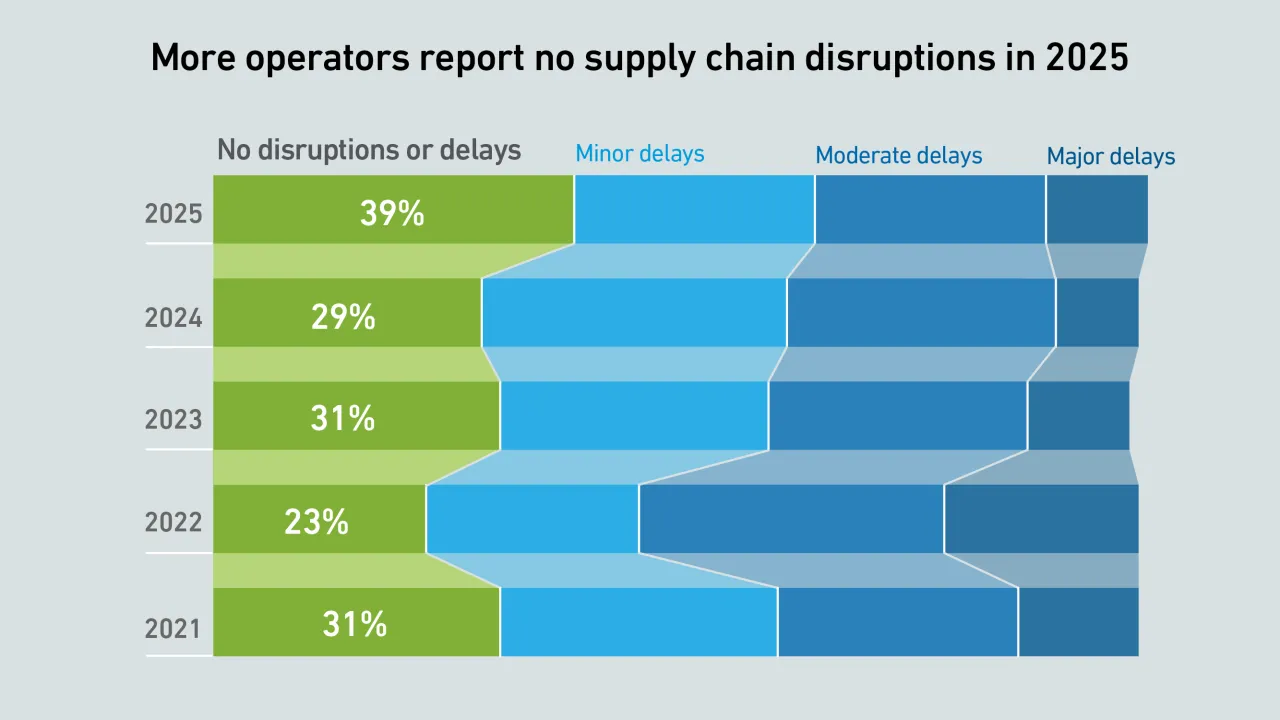
Data center operators reported fewer supply chain disruptions in 2025 than at any point in the past 5 years, although the level of impact still varies by region and market segment. Many continue to face delays in accessing critical equipment or…
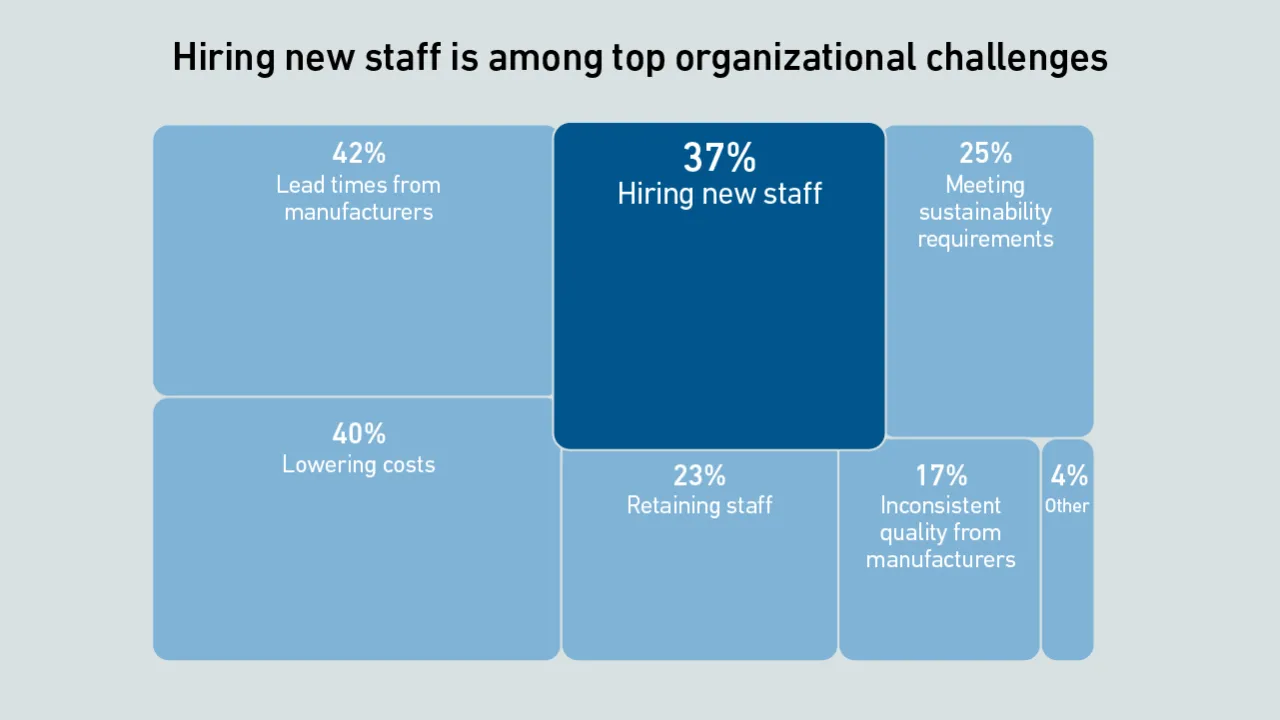
Both colocation and enterprise operators cite recruiting qualified staff as a top concern, according to the Uptime Institute Data Center Staffing and Recruitment Survey 2025. Junior-level facilities employees remain in the shortest supply and…
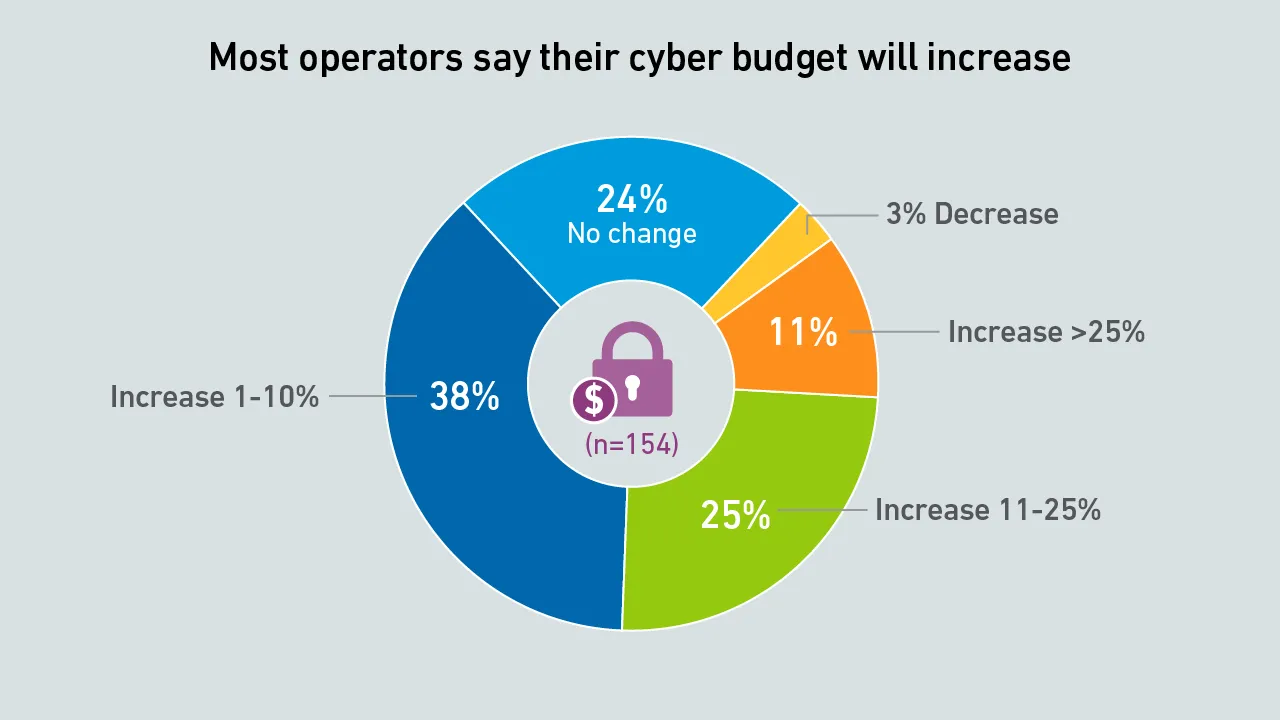
According to the Uptime Institute Data Center Security Survey 2025, the majority of operators have experienced a cyber incident this year. IT software and network configuration issues remain the leading cause of these incidents. Cyber events are…
The Uptime Institute Global Data Center Survey, now in its 15th year, is the most comprehensive and longest-running study of its kind.This report highlights some of the results from vendor, consultant and product supplier respondents and provides…
The Uptime Institute Global Data Center Survey, now in its 15th year, is the most comprehensive and longest-running study of its kind. This report provides a regional view of the results and highlights the different challenges and strategies of…
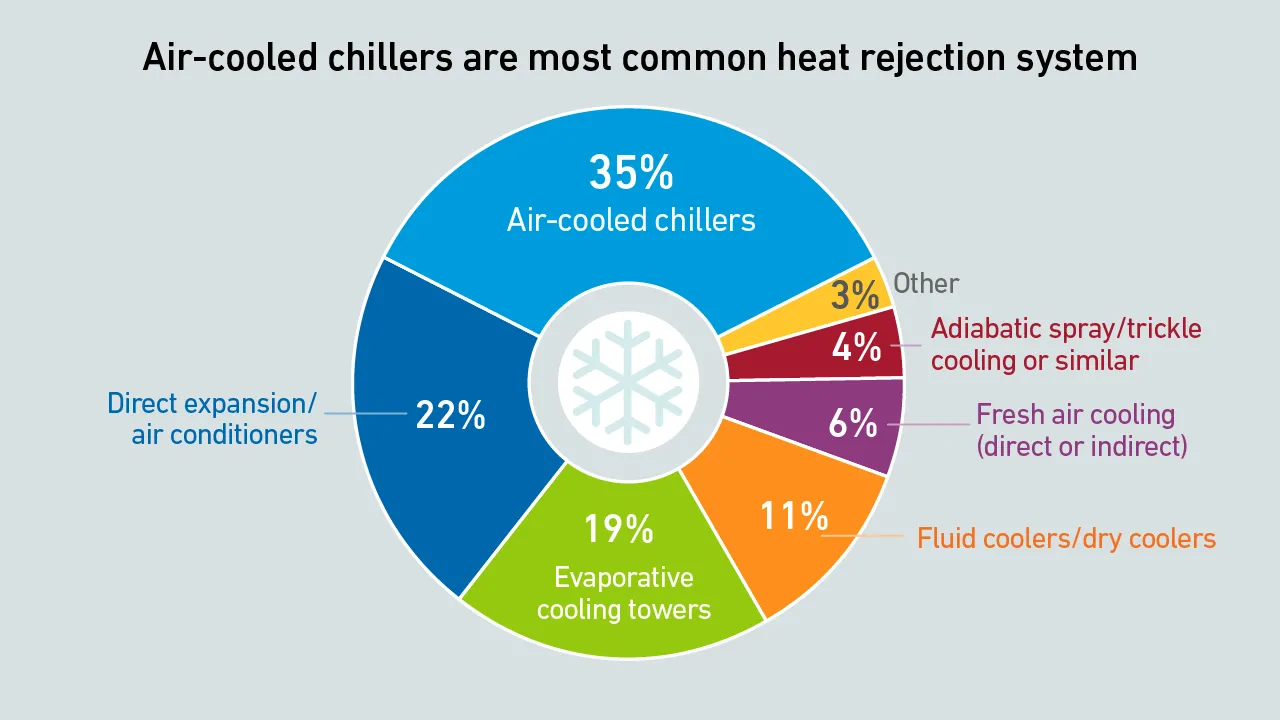
Direct liquid cooling (DLC) adoption in data centers remains gradual, with most operators still relying on traditional air cooling methods for their IT equipment. However, this may shift in the future as server rack densitites increase and the cost…
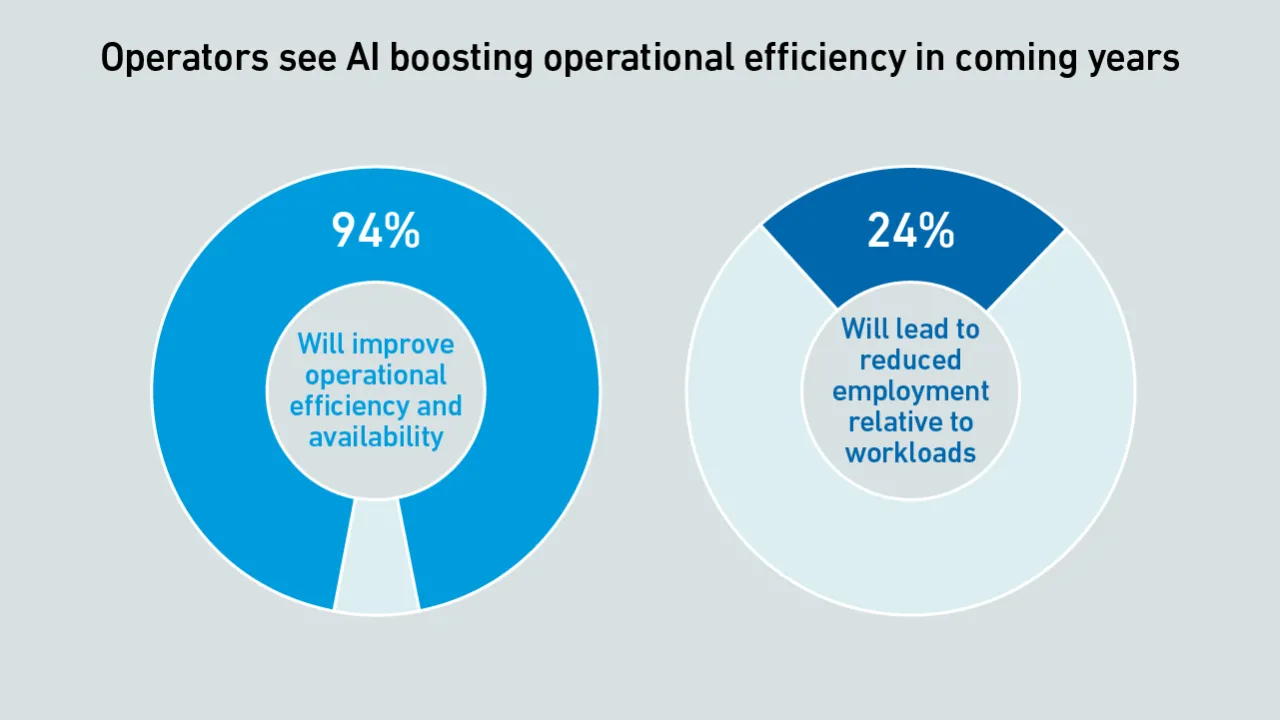
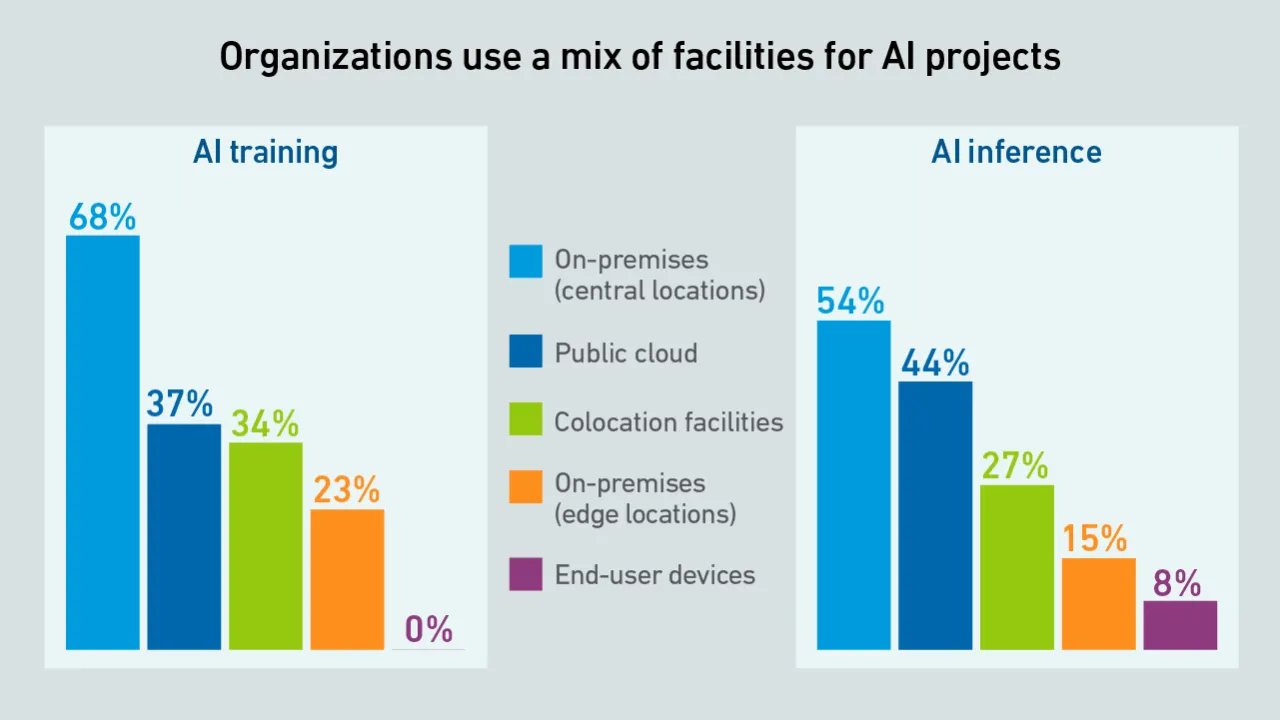
Nearly one in three operators report that their organization performs AI training and inference in early 2025. Although most operators plan to support AI in the future, current infrastructure strategies offer insight into how future deployments may…
Most data center organizations conduct climate change/ weather-related resiliency assessments in 2025 â even if it is not a formal requirement. Additionally, many enterprises demand these assessments from their cloud and colocation service…
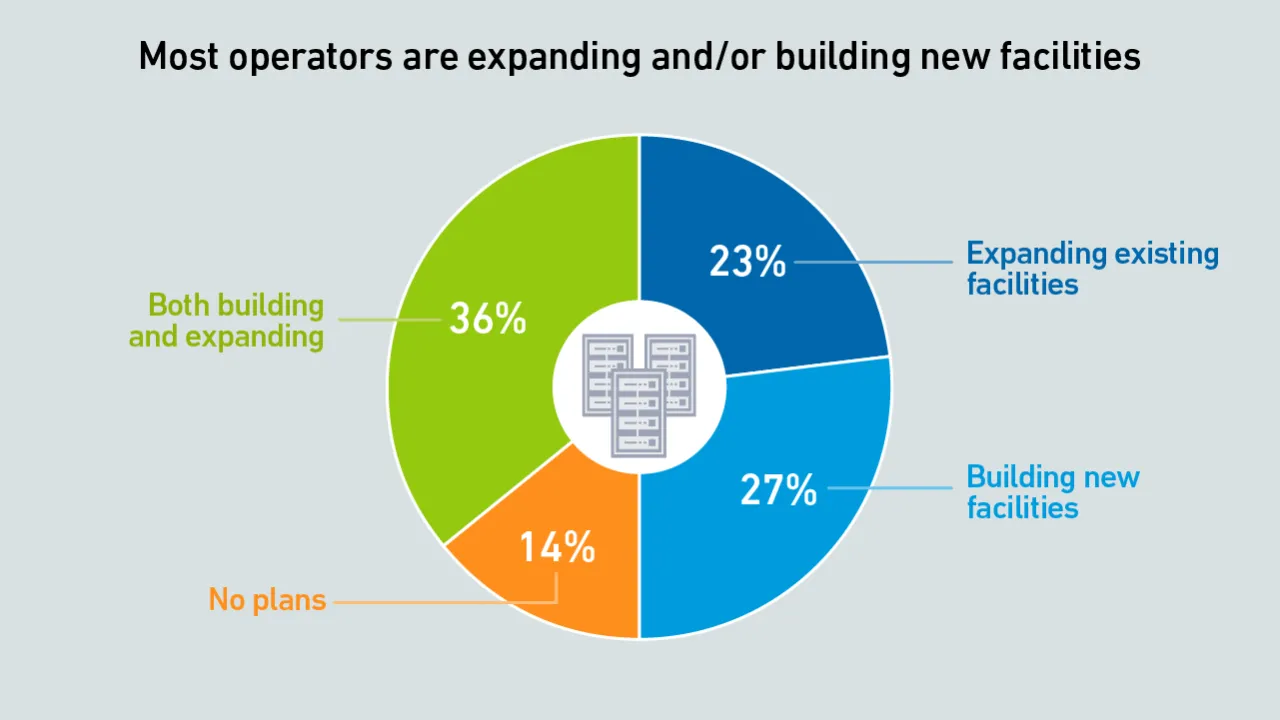
Capacities continue to grow for both enterprises and colocation providers, with colocation companies expanding more rapidly. Growth in general-purpose IT remains the single greatest driver of rising data center demand overall, but the need to…
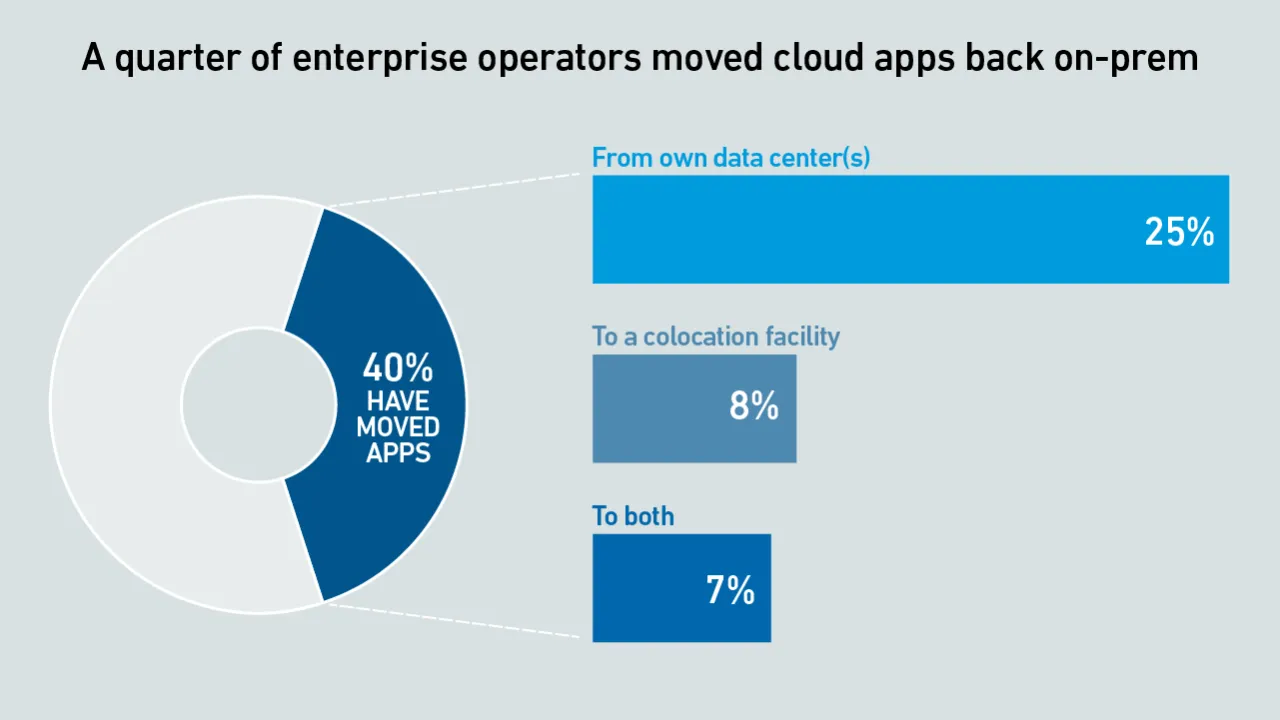
The main reason enterprises are repatriating workloads from the cloud to their own data centers is due to spiraling costs. However, most enterprises are continuing to use several public clouds alongside on-premises facilities in a hybrid IT strategy…
Most data center operators plan to spend more in 2025 than the previous year. However, spending strategies vary widely between enterprises and colocation providers, and each faces its own risks from supply chain issues. Results from the Uptime…
Results from the Uptime Institute Security Survey 2024 highlight the different cybersecurity approaches used by operators against a widening range of threats.