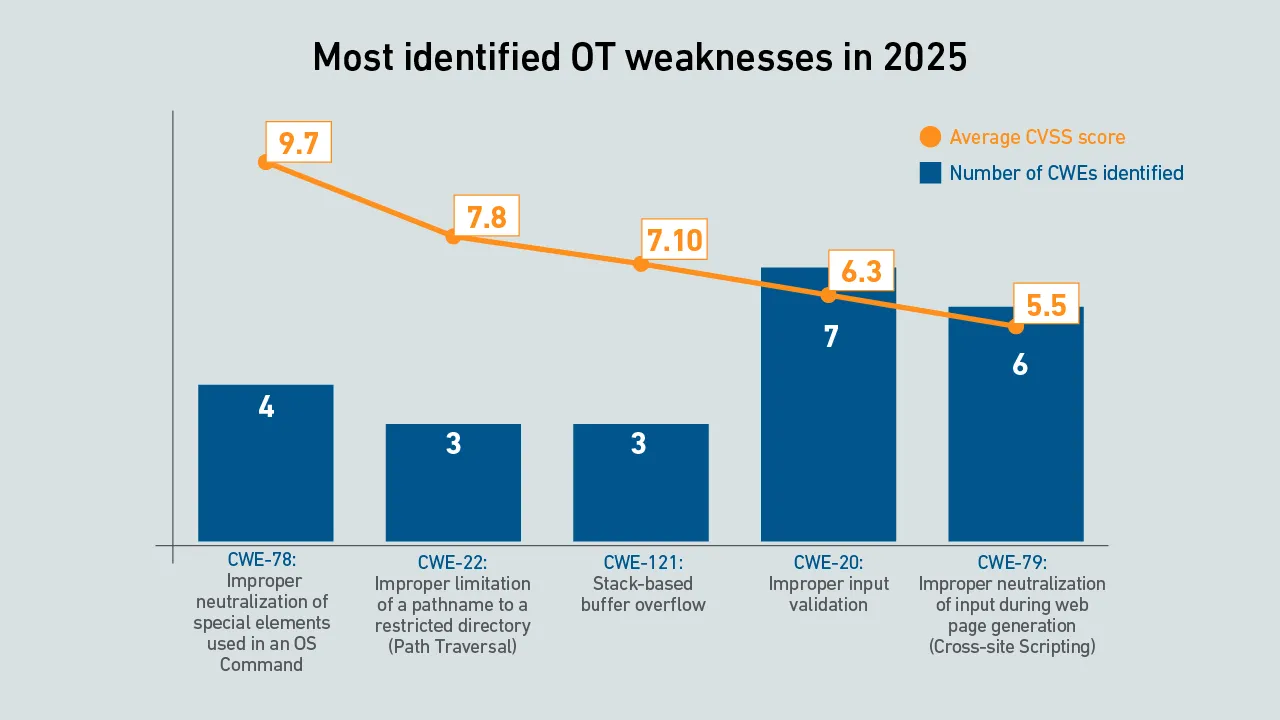
Many data center OT systems share High- or Critical-level common vulnerabilities and exposures (CVEs), making them easy targets for cyberattackers. Operators need to act to protect their critical infrastructures.

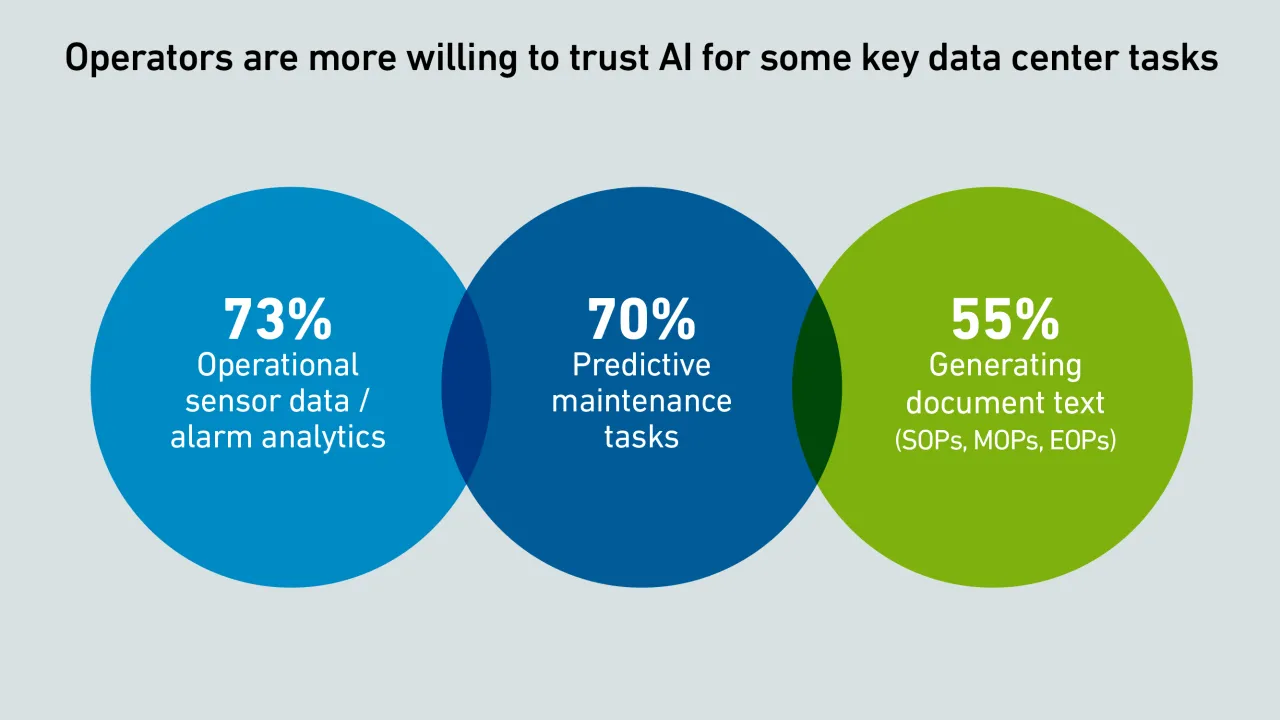
Many operators report that they trust AI to draft their MOPs, EOPs and SOPs. But this potentially error-prone approach demands meticulous review by an appropriate member of staff, or operators risk increasing the likelihood of costly downtime.
The Uptime Institute Global Data Center Survey, now in its 15th year, is the most comprehensive and longest-running study of its kind.This report highlights some of the results from vendor, consultant and product supplier respondents and provides…
Security vulnerabilities in data center infrastructure management (DCIM) software are leaving some operators at risk of cyberattacks.
The Uptime Institute Global Data Center Survey, now in its 15th year, is the most comprehensive and longest-running study of its kind. This report provides a regional view of the results and highlights the different challenges and strategies of…
Results from Uptime Institute's 2025 Security Survey (n=982), now in its 3rd year, explore major cybersecurity issues facing data centers, as well as the IT and OT systems used to operate critical infrastructure.The attached data files below provide…
AWS has recently cut prices on a range of GPU-backed instances. These price reductions make it harder to justify an investment in dedicated AI infrastructure.
Real-time computational fluid dynamics (CFD) analysis is gradually nearing reality, with GPUs now capable of producing high-fidelity simulations in under 10 minutes. However, many operators may be skeptical about why this is necessary.
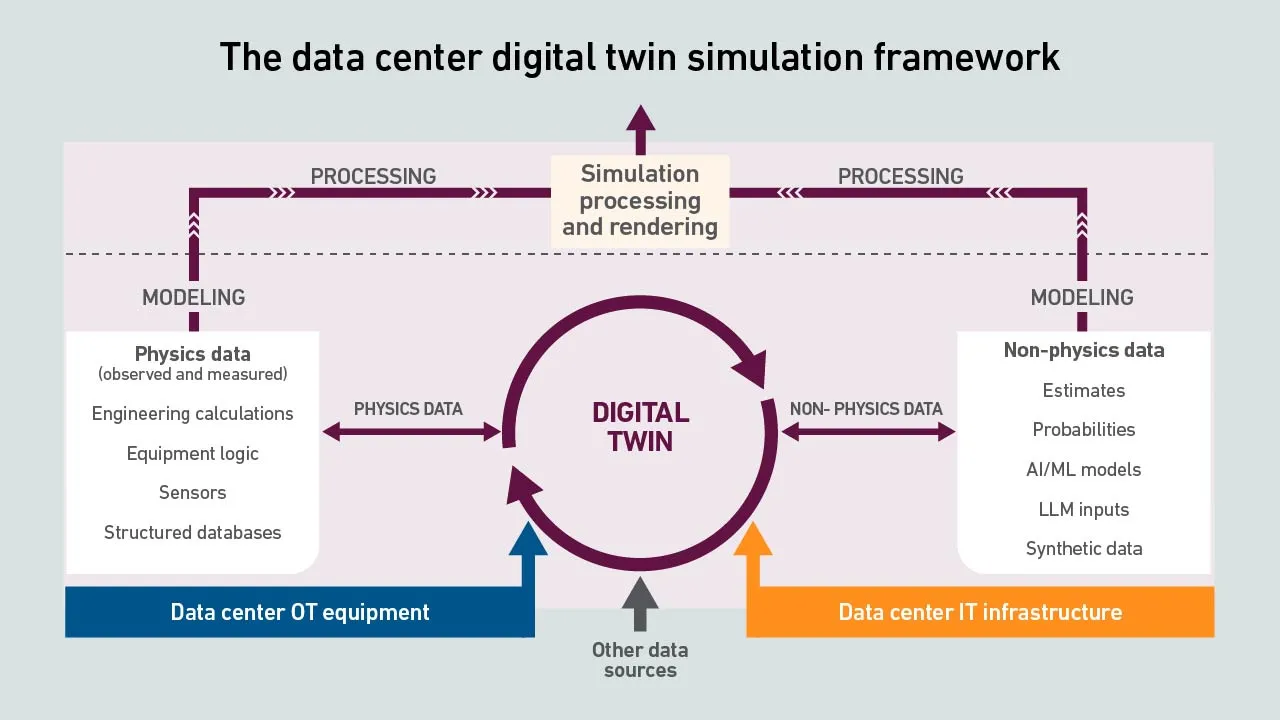
Investment in giant data centers and high-density AI infrastructure is driving a surge of interest in digital twins and AI-enabled simulations. However, experience in the field of computational fluid dynamics suggests obstacles lie ahead.
The terms "retail" and "wholesale" colocation not only describe different types of colocation customers, but also how providers price and package their products, and the extent to which customers can specify their requirements.
Serverless container services enable rapid, per-second scalability, which is ideal for AI inference. However, inconsistent and opaque pricing metrics hinder comparisons. This pricing tool compares the cost of services across providers.
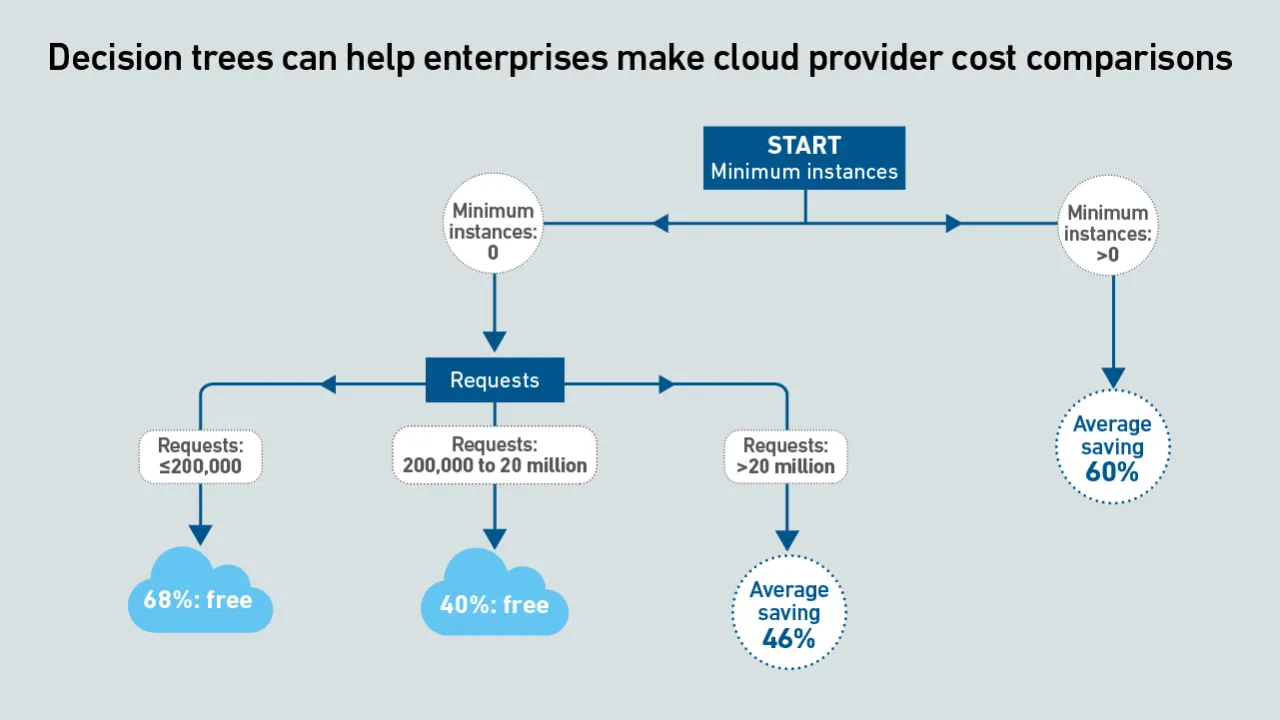
Serverless container services enable rapid scalability, which is ideal for AI inference. However, inconsistent and opaque pricing metrics hinder comparisons. This report uses machine learning to derive clear guidance by means of decision trees.
Current geopolitical tensions are eroding some European organizations' confidence in the security of hyperscalers; however, moving away from them entirely is not practically feasible.
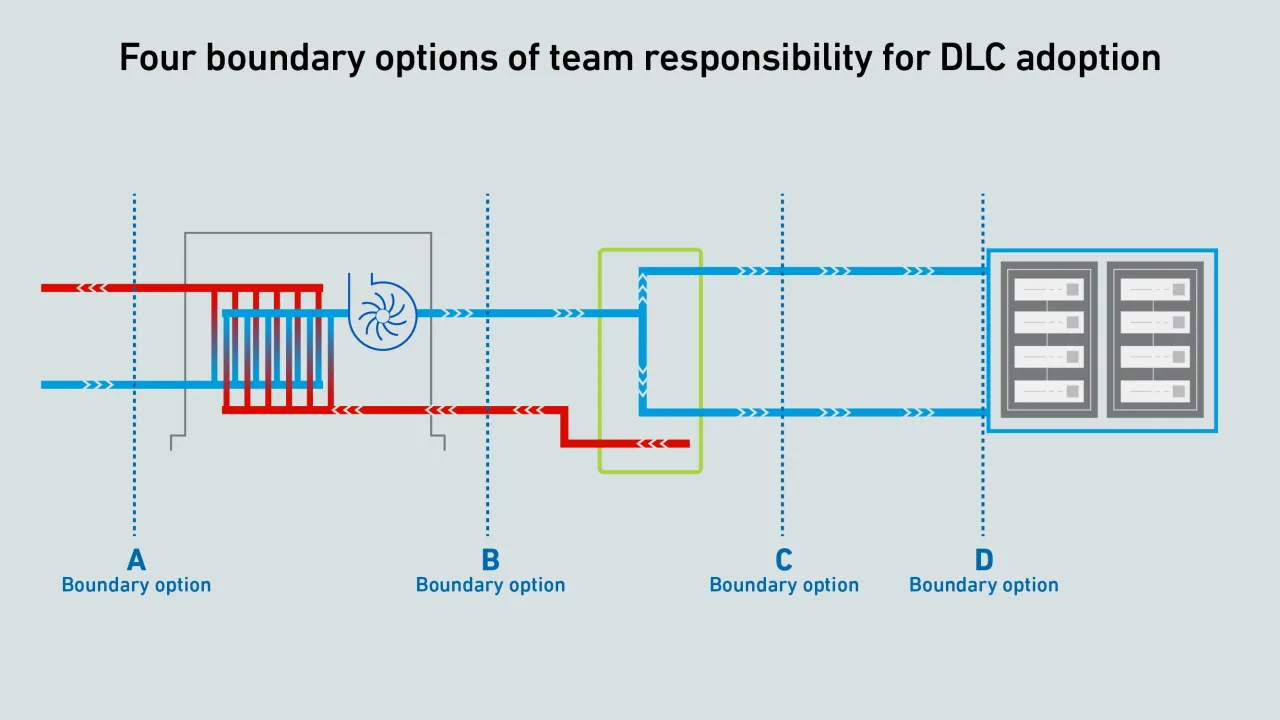
Direct liquid cooling challenges the common "line of demarcation" for responsibilities between facilities and IT teams. Operators lack a consensus on a single replacement model-and this fragmentation may persist for several years.
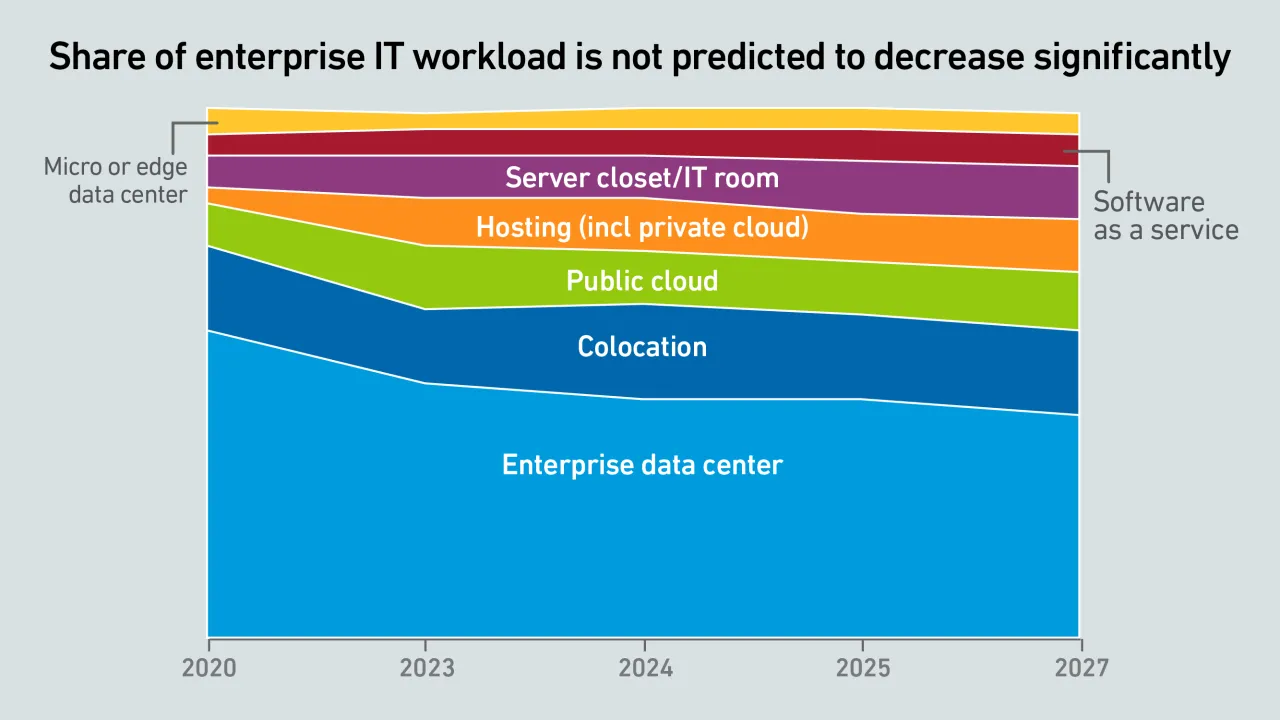
Although the share of processing handled by the corporate or enterprise sector has declined over the years, it has never disappeared. But there are signs that it may reclaim a more central role.