As US state legislatures face difficulties passing local bans on data centers, opponents are increasingly turning to new regulatory approaches. Data center operators will need to navigate this fragmented policy landscape to stay ahead of compliance.
The 16th edition of the Uptime Institute Global Data Center Survey highlights the experiences and strategies of data center owners and operators in the areas of resiliency, sustainability, efficiency, staffing, cloud and AI. The attached data files…
The European Commission has published the draft Energy efficiency — rating scheme for data centres in Europe, proposing amendments to Delegated Regulation (EU) 2024/1364, with comments due by April 23, 2026.The proposed rating scheme introduces a…
The European Commission published the draft data center rating scheme, including a public label template, and amendments to EU 2024/1364. The regulation has been improved, but critical issues remain unaddressed.
Some countries are attempting to create capacity headroom for new facilities by applying efficiency limits to existing data centers. In Singapore, reducing PUE will be expensive for operators.
Cloud and AI growth are straining power systems, and the US GRID Act could make expansion more difficult. The industry will need greater transparency on projected energy and water use, project plans, and incentives.
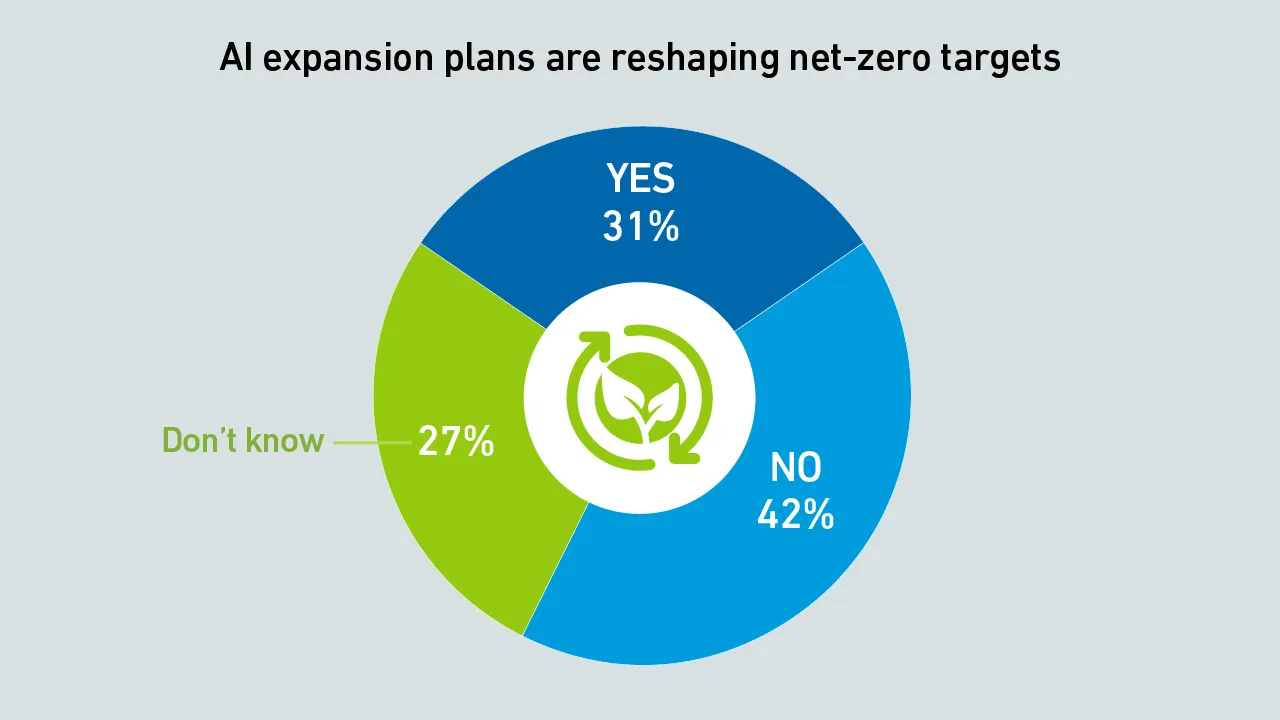
Surging demand for AI data centers is driving a shift to on-site natural gas power, even though operators admit this will delay the achievement of net-zero goals.
The European Commission plans to finalize the Energy Efficiency Directive (EED) delegated regulations on June 10, 2026. The draft amendments may increase the quantity of reportable EED information and establish a data center labeling program.
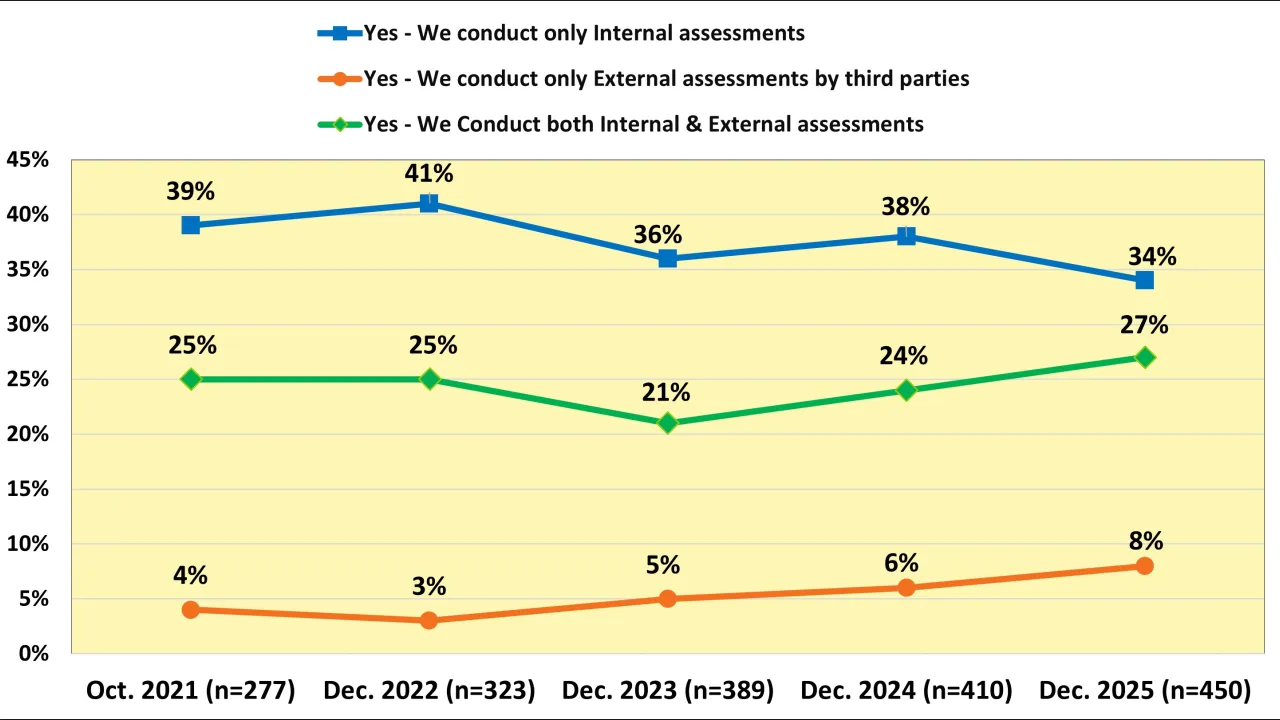
Uptime Institute's Sustainability and Climate Change Survey (n=1,054) benchmarks the data center industry in areas such as sustainability assessments, responses to extreme weather events, and how operators are handling regulatory requirements.The…
Japan is expected to issue data center regulations in 2026: data centers that do not meet a 1.4 PUE limit will face penalties. However, enterprise data centers appear to have evaded the stipulations.
The proposed Scope 2 Guidance updates radically alter current accounting methodologies. These changes will complicate Scope 2 offset markets (e.g., EACs, RECs and GOs), adding unnecessary complexity and resource demands to Scope 2 accounting.
The European Parliament plans to simplify environmental reporting beyond what the Omnibus proposed in early 2025. Under the new reporting thresholds, only the largest 10% of companies would remain subject to CSDDD and CSRD requirements.
The public wants to understand data center resource use and performance metrics. Data center operators need to propose a label format that shares appropriate performance metrics while protecting confidential information.
The US Cloud Act lets US authorities access cloud data stored overseas. Encryption offers protection only when keys are firmly controlled - creating challenges for enterprises but an opportunity for colocation providers.
Fewer people in the industry are talking about sustainability. But why has the collection of data also declined, when such data is often required by reporting regimes?